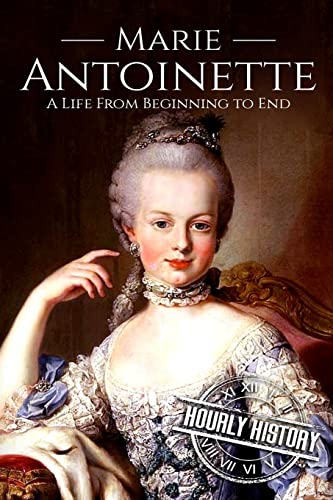
Marie Antoinette was an Austrian archduchess who married the future Louis XVI and became queen of France in 1774. Court expenditure, delayed motherhood and foreign birth made her a target of pamphlets that greatly exaggerated her influence and sexual conduct.
During the Revolution she opposed many constitutional changes and sought aid from foreign monarchies. After the fall of the monarchy she was tried and executed in October 1793. Marie Antoinette was born in Hofburg Palace and died in place de la Concorde.
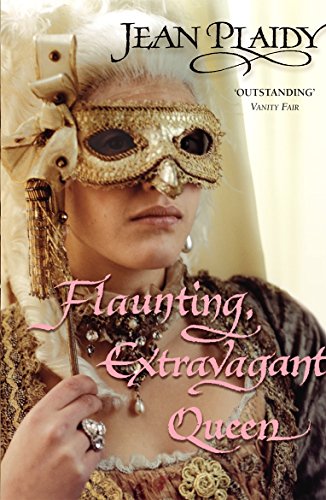
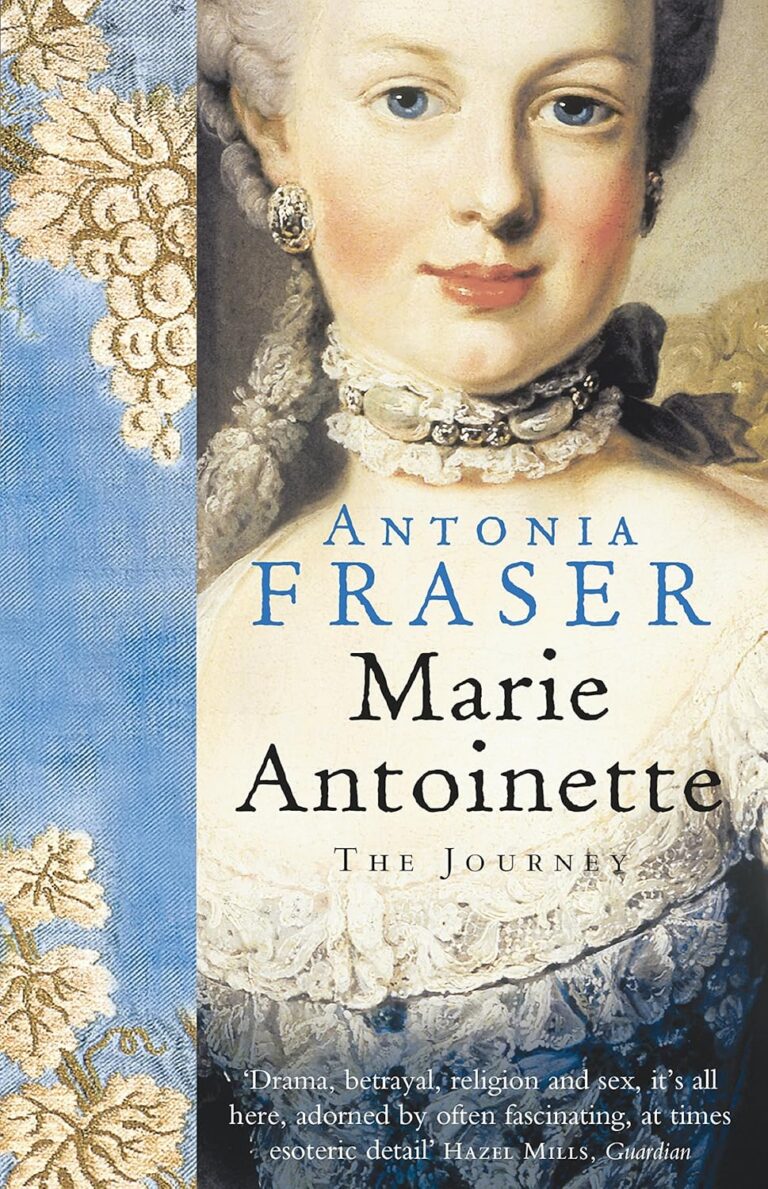
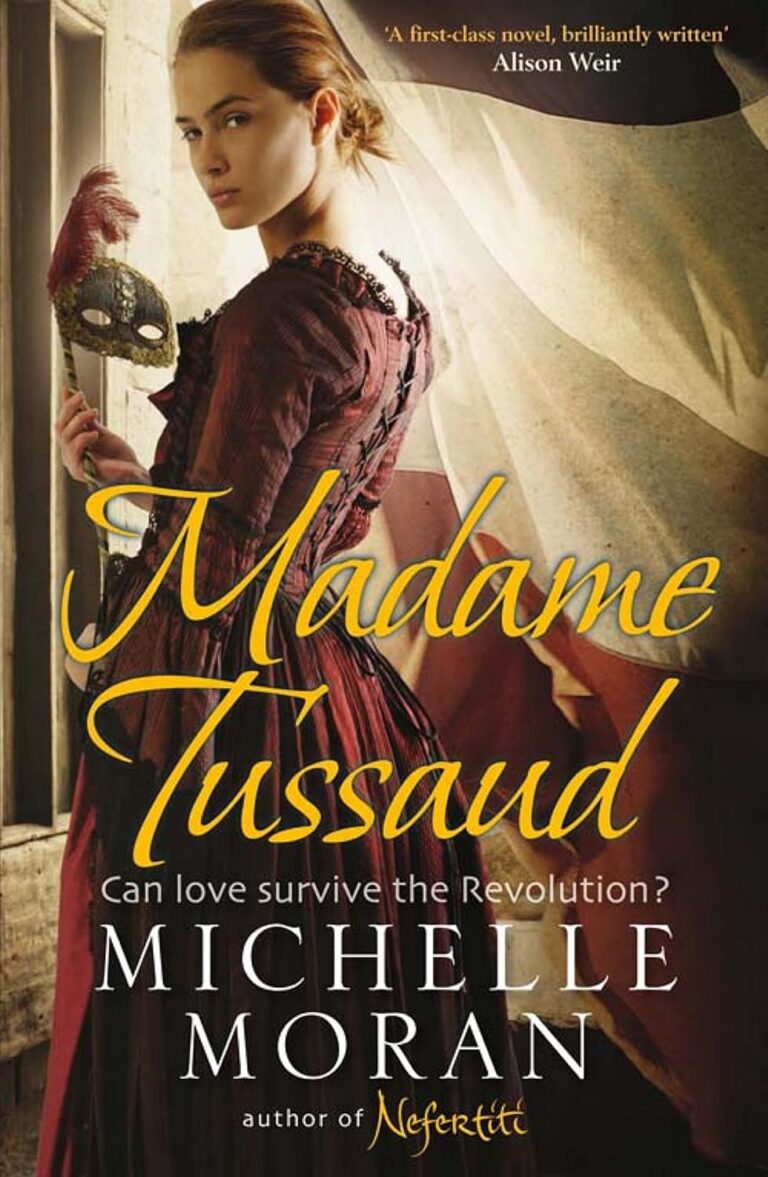
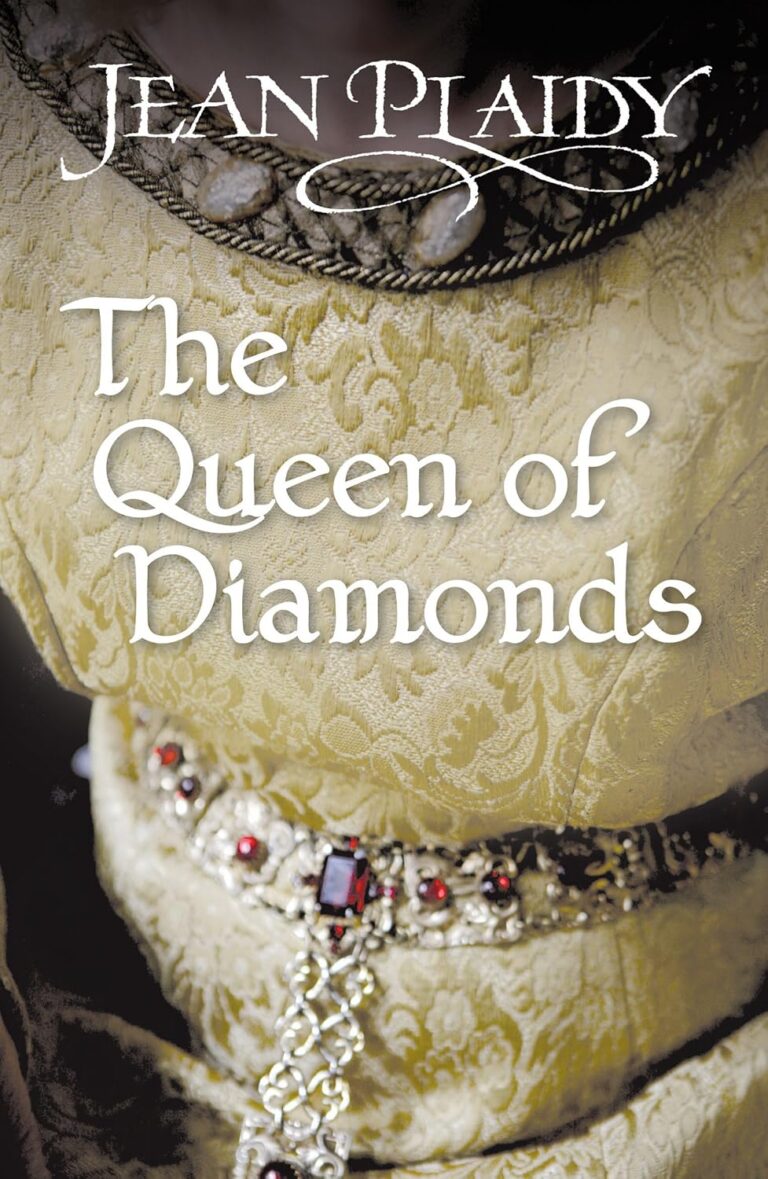
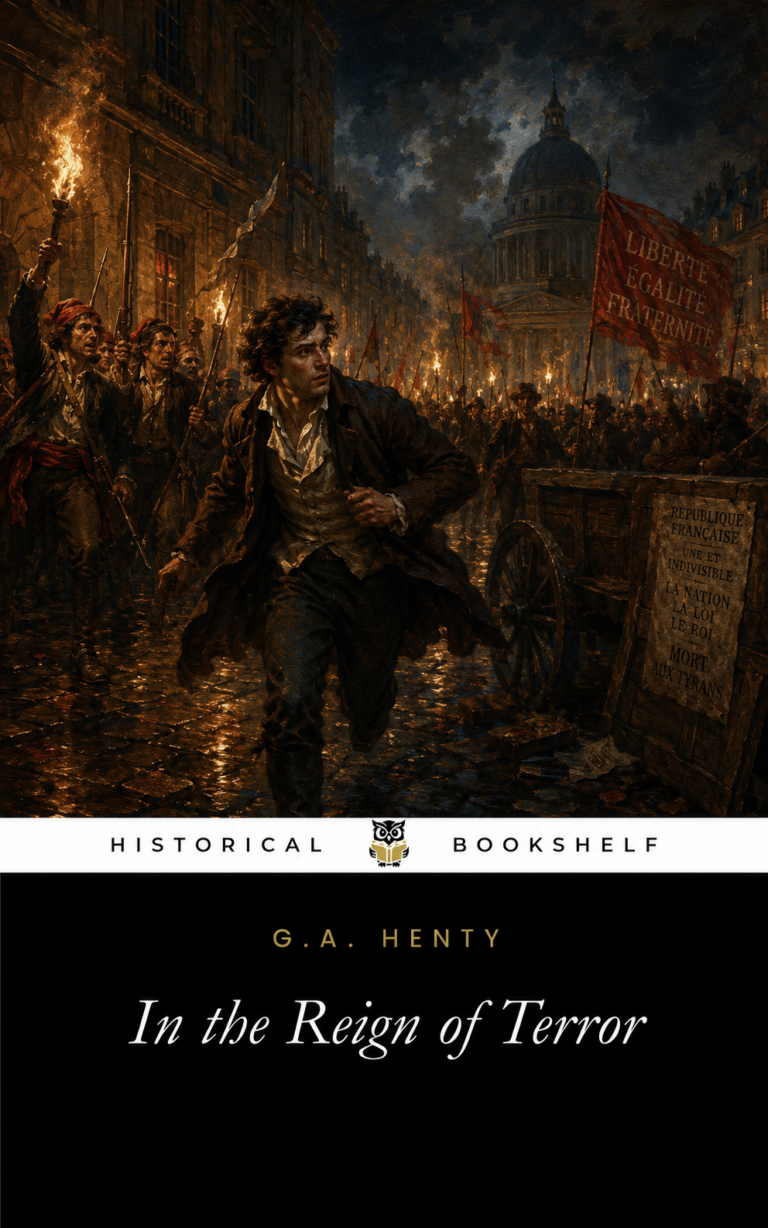
Antonia Fraser’s Marie Antoinette follows the queen from Austrian archduchess and French dauphine to prisoner, separating the historical woman from the hostile image created around extravagance, sexuality and foreign influence. Jean Plaidy’s Flaunting, Extravagant Queen dramatises her arrival at Versailles and the court pressures that turn youthful frivolity into political vulnerability, while The Queen of Diamonds centres the necklace affair that damaged her reputation despite her not ordering the jewels. Michelle Moran’s Madame Tussaud brings Marie Antoinette into the wax modeller’s divided world between Versailles and revolutionary Paris. G. A. Henty’s In the Reign of Terror places the imprisoned queen among the real figures through whom its fictional protagonists encounter the Revolution’s radicalisation and violence.