





As an Amazon Associate, I earn from qualifying purchases. This means if you click on a link and make a purchase, I may receive a small commission at no extra cost to you.

Phase

Waterloo Campaign

1815-06

Waterloo Campaign was a campaign phase within Hundred Days / War of the Seventh Coalition, and it works best as a contextual bridge between the wider war and individual actions. It explains the movement, pressure, or strategic problem that brought armies, fleets, commanders, and civilians into a particular sequence of events. The wider campaign context explains why several battles or incidents belong together rather than appearing as isolated episodes.

For historical fiction, The Waterloo Campaign gives fiction a concentrated final setting of rapid movement, divided allied armies, battlefield uncertainty, and the end of Napoleon’s military career. This phase is especially useful for fiction about a retreat, occupation, invasion, naval operation, or extended campaign rather than one named battle. It gives the setting enough shape without needing a detailed military-history treatment.

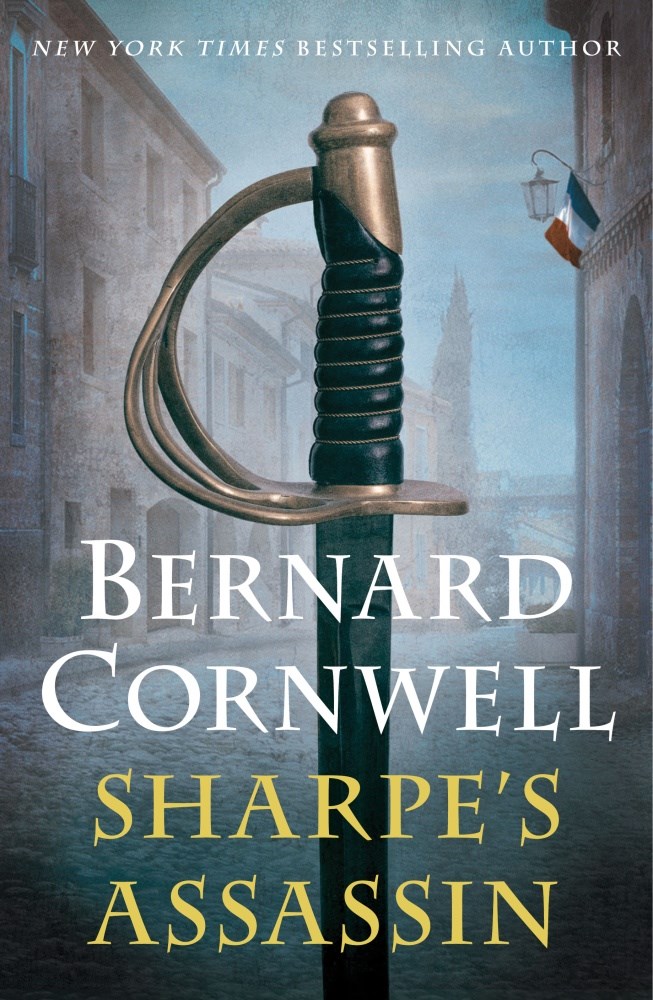
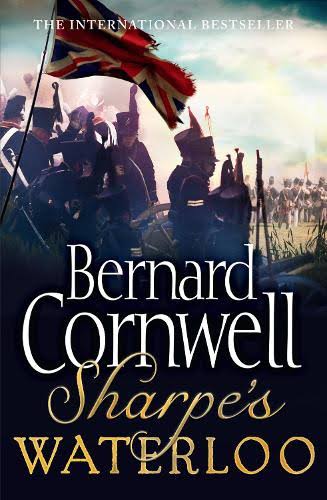
Specific fiction connections include Bernard Cornwell’s Richard Sharpe series, especially its Waterloo sequence, and Allan Mallinson’s Matthew Hervey series, which begins in the aftermath of the campaign. Georgette Heyer’s An Infamous Army, Stendhal’s The Charterhouse of Parma, and Victor Hugo’s Les Misérables also make the Hundred Days useful for fiction about panic, reputation, defeat, and memory.

Related people for Waterloo Campaign

Books

24 Best Novels About the Waterloo Campaign

Bestselling authors first, then star rating.

Non Fiction

1 Non-Fiction Book About the Waterloo Campaign

Histories, biographies and reference works are listed separately from the historical novels above.