Wordsworth was born in Cockermouth in 1770 and was educated in the Lake District and at Cambridge. His experiences in revolutionary France and his close intellectual partnership with his sister Dorothy and Samuel Taylor Coleridge informed an evolving poetic theory centred on memory, nature and ordinary speech.
Lyrical Ballads, published with Coleridge in 1798, became a landmark of English Romanticism. Wordsworth was a central figure in English Romanticism and profoundly influenced later writing about nature, memory, childhood and poetic language. William Wordsworth also worked as Poet Laureate and Author. William Wordsworth was born in Cockermouth, Cumberland and died in Rydal Mount, Westmorland.
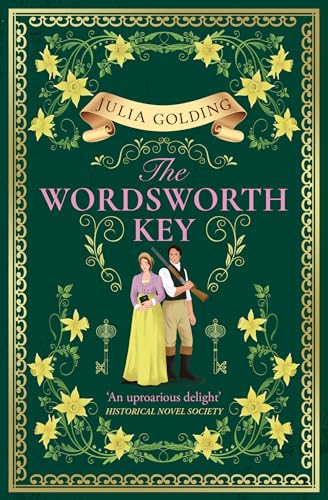
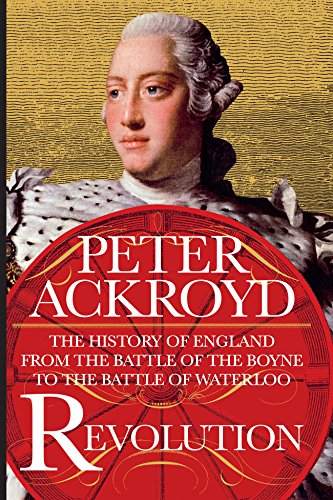
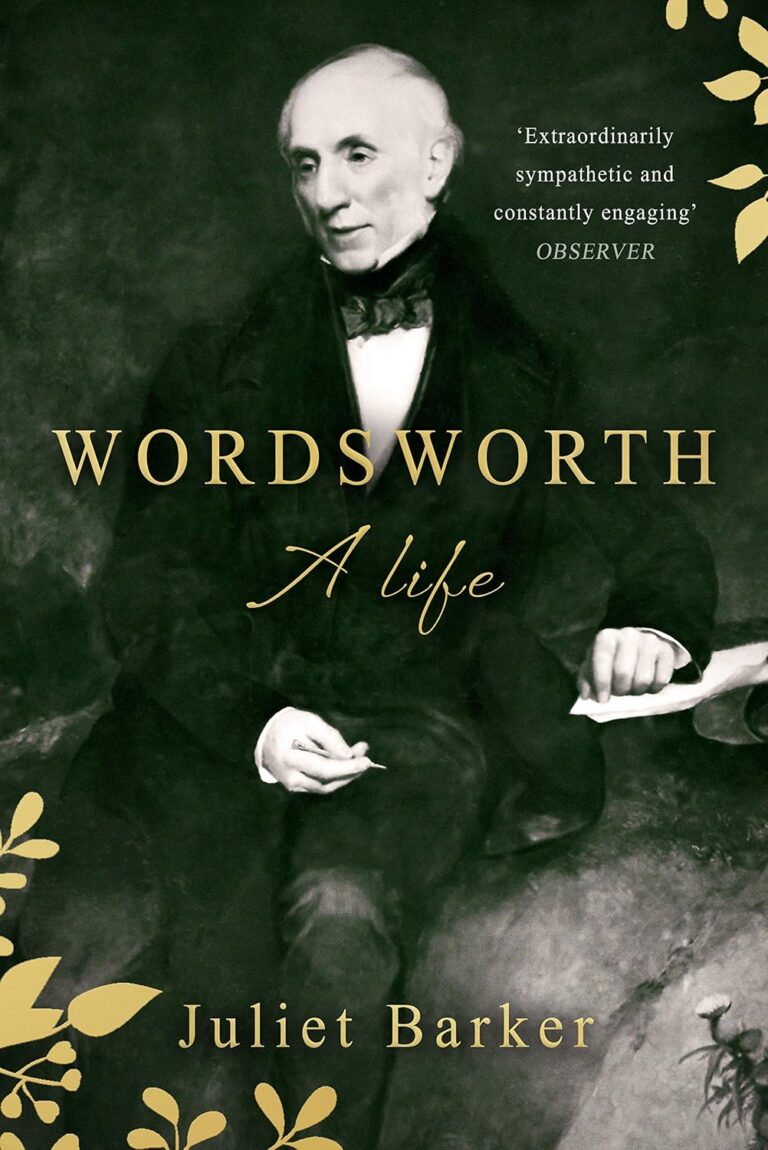
Juliet Barker’s Wordsworth traces William Wordsworth from an unsettled Cumbrian childhood through Cambridge, Revolutionary France and the radical years in which he began to reshape English poetry. In Julia Golding’s The Wordsworth Key, A private notebook belonging to William Wordsworth disappears from the Lake District, and a murdered man is later found beside the Thames with a shepherd's crook placed as an apparent clue. Historical accounts that place William Wordsworth in context include Peter Ackroyd’s Revolution.