Jean-de-Dieu Soult rose from an infantry private to become a marshal of France under Napoleon. He fought with distinction at Austerlitz, commanded in Spain and Portugal and served as Napoleon’s chief of staff during the Waterloo campaign. After the Restoration he adapted repeatedly to changing regimes and later served as war minister and prime minister. His long career combined tactical skill, political flexibility and a controversial reputation for acquiring art during the Peninsular War.

Soult appears throughout Bernard Cornwell’s Sharpe series and in Simon Scarrow’s Revolution quartet. Historical fiction often casts him as a formidable French opponent, particularly in stories of the Peninsular War and the Pyrenees. His later political survival also allows novelists to challenge the idea that Napoleon’s marshals belonged only to the battlefield.
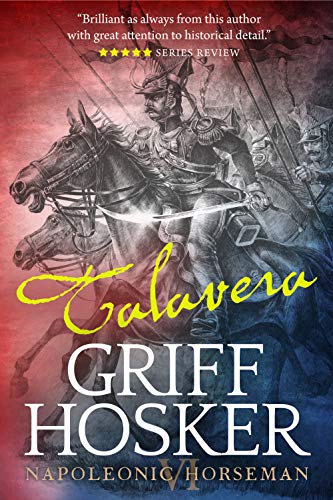
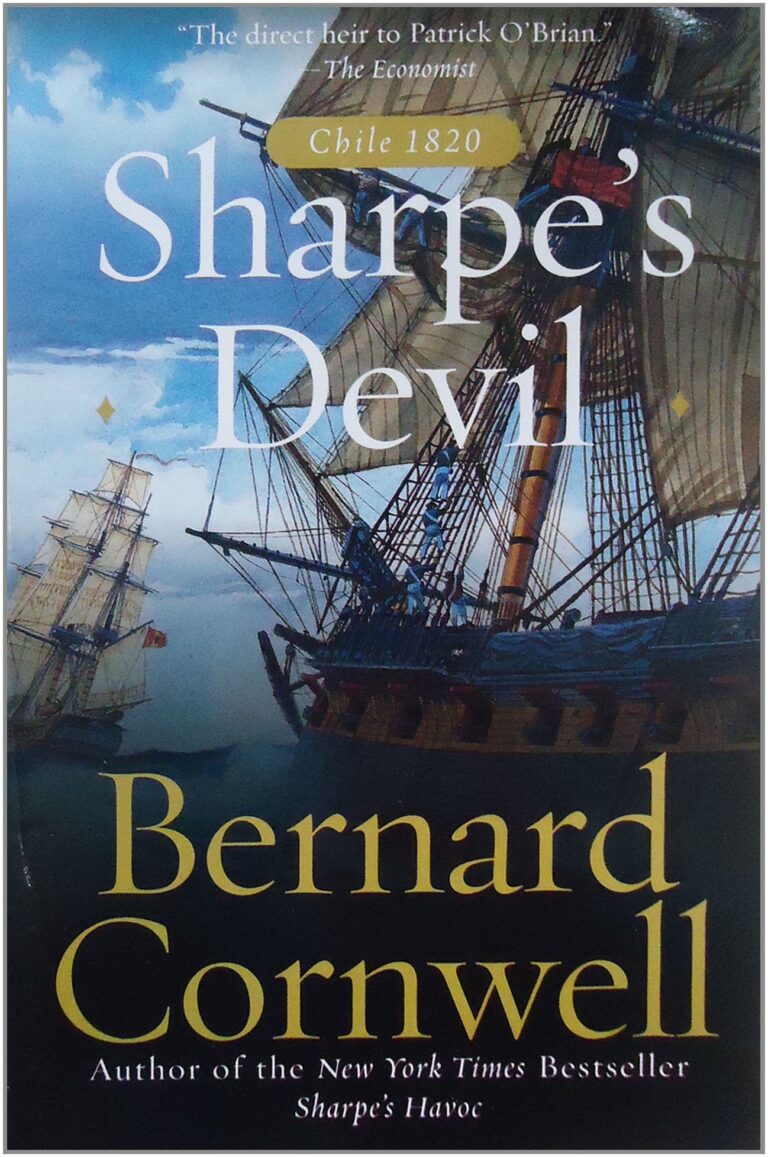
Griff Hosker’s Chasseur À Cheval places Jean-de-Dieu Soult within a narrative shaped by family, marriage and personal loyalty and military command and battlefield decision-making. Bernard Cornwell’s Sharpe’s Revenge places Jean-de-Dieu Soult within a narrative shaped by military command and battlefield decision-making and family, marriage and personal loyalty. Other novels featuring Jean-de-Dieu Soult include Bernard Cornwell’s Sharpe’s Havoc, Adrian Goldsworthy’s Whose Business Is to Die, Bernard Cornwell’s Sharpe’s Storm, Griff Hosker’s 1808, and Griff Hosker’s Bloody Badajoz.