Historical person
Bahadur Shah Zafar
1775–1862
Bahadur Shah Zafar, also known as Bahadur Shah II, was the last Mughal emperor. By the mid-nineteenth century his effective authority was largely confined to the Red Fort and the court at Delhi, but the prestige of the Mughal title still carried considerable symbolic weight across northern India.
When rebel sepoys entered Delhi in May 1857 they proclaimed Zafar their emperor and turned his court into a political centre of the uprising. After British forces retook Delhi he was captured, tried for rebellion and exiled to Rangoon, where he died in 1862. He was also an accomplished Urdu poet whose name became closely associated with the end of Mughal rule.
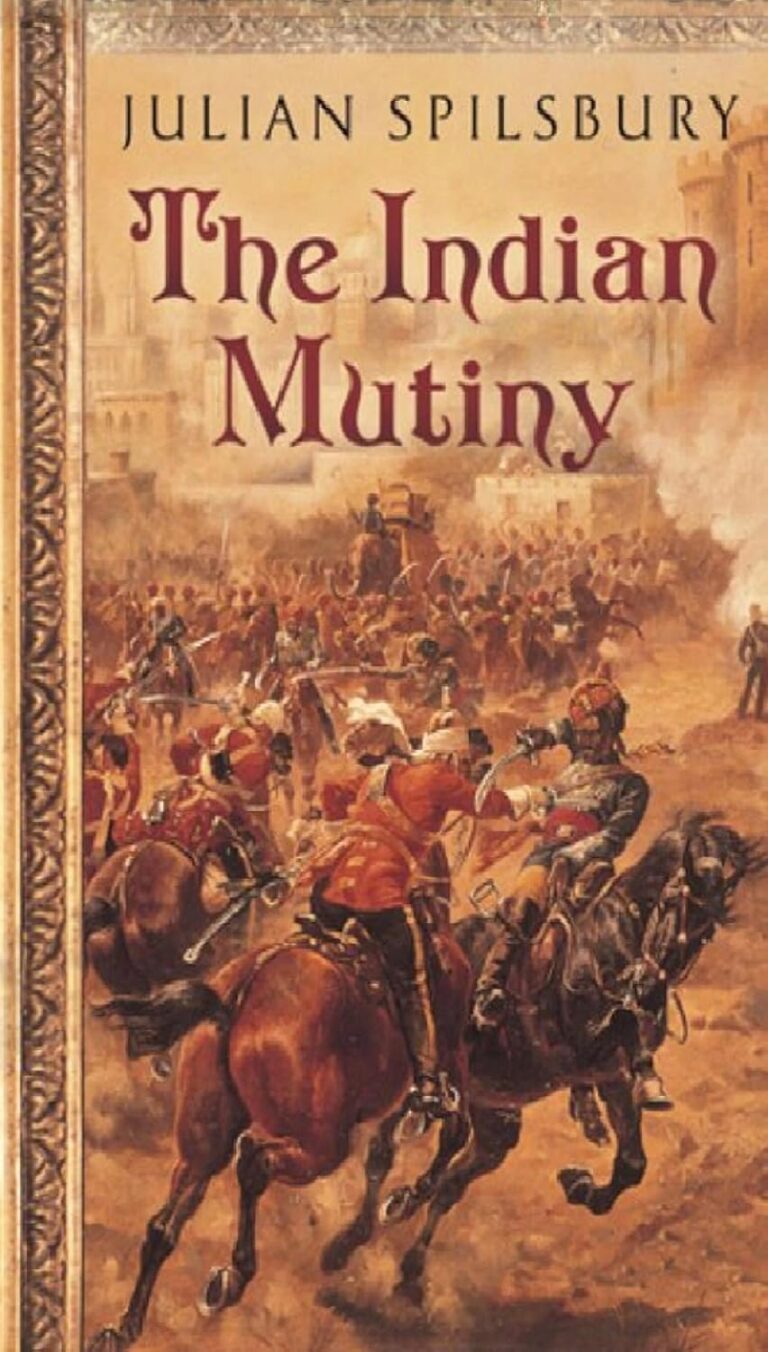
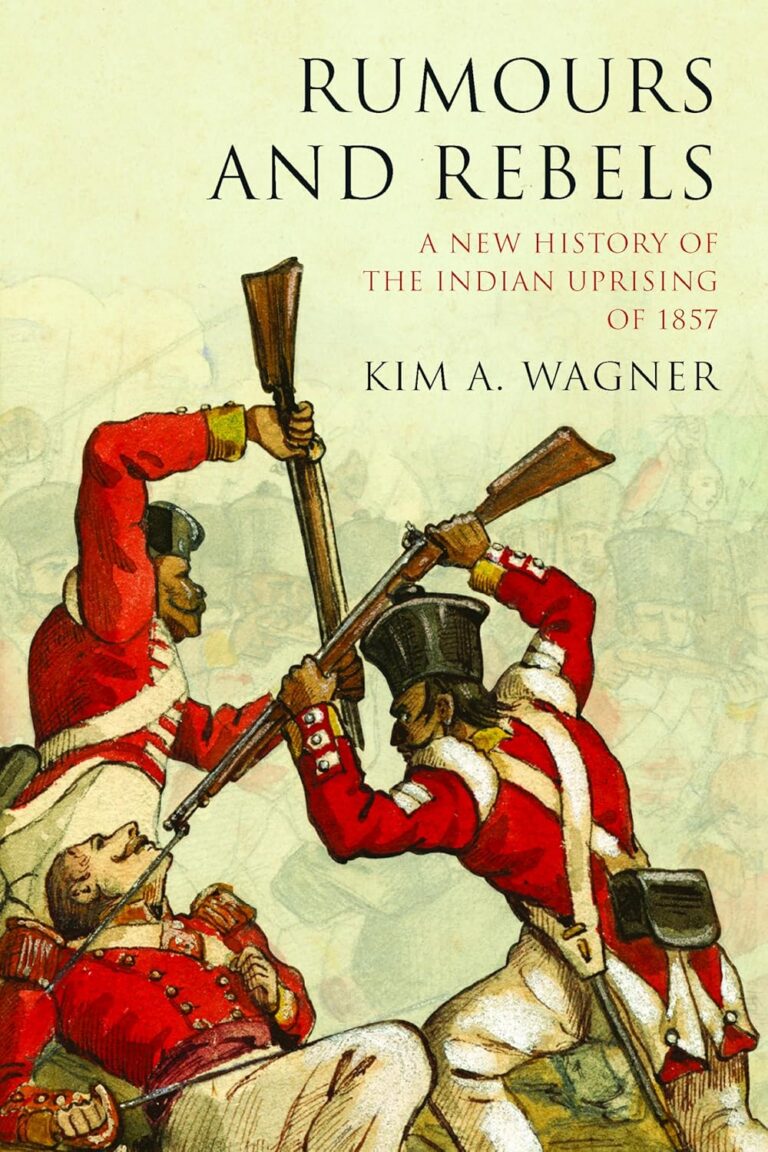
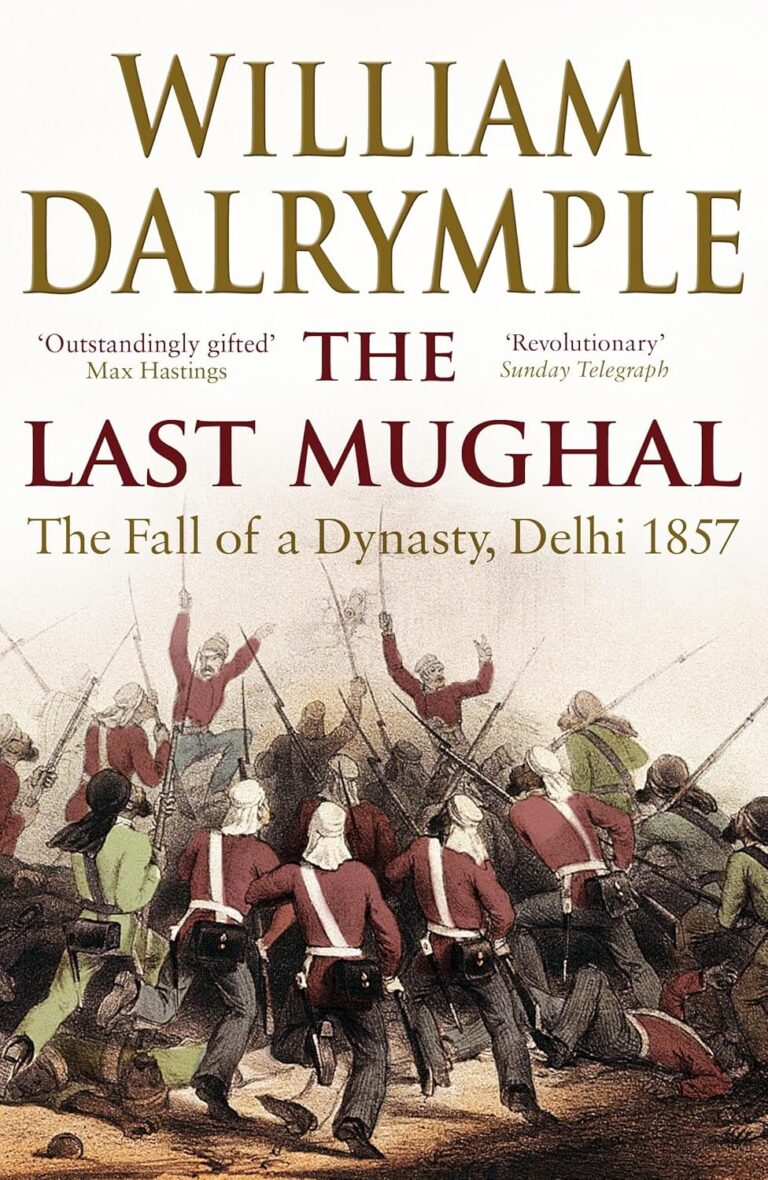
Kim A. Wagner’s Rumours and Rebels follows the fears and rumours that carried the uprising of 1857 from the Bengal Army to Delhi, where Bahadur Shah Zafar was abruptly turned from a largely ceremonial emperor into the symbolic head of rebellion. William Dalrymple’s The Last Mughal makes Zafar’s court the centre of its account of besieged Delhi, using Urdu and Persian material to recover the emperor, his household and the cosmopolitan culture destroyed in the British reconquest. Julian Spilsbury’s The Indian Mutiny places Zafar within the broader military history of the revolt and its aftermath, including the fall of Delhi, the end of East India Company rule and the destruction of the last effective remnant of Mughal sovereignty.
Non Fiction
Non Fiction featuring Bahadur Shah Zafar (3 books)
Biographies, histories and other non-fiction are listed separately from the historical novels above.