Cassander was one of the Successors of Alexander the Great and became king of Macedon after years of civil war. His rule was tied to the elimination of Alexander’s surviving family and the consolidation of Macedonian power in Greece.
The son of the Macedonian regent Antipater, Cassander fought Polyperchon and Olympias for control of Macedonia after his father’s death. He captured Olympias and had her executed, married Alexander’s half-sister Thessalonike to strengthen his dynastic position, and kept Roxana and the young Alexander IV under guard before they were killed. By 305 BCE he openly assumed the royal title, ruling Macedonia until his death and founding or rebuilding important cities including Thessalonica and Cassandreia as part of his consolidation of power.
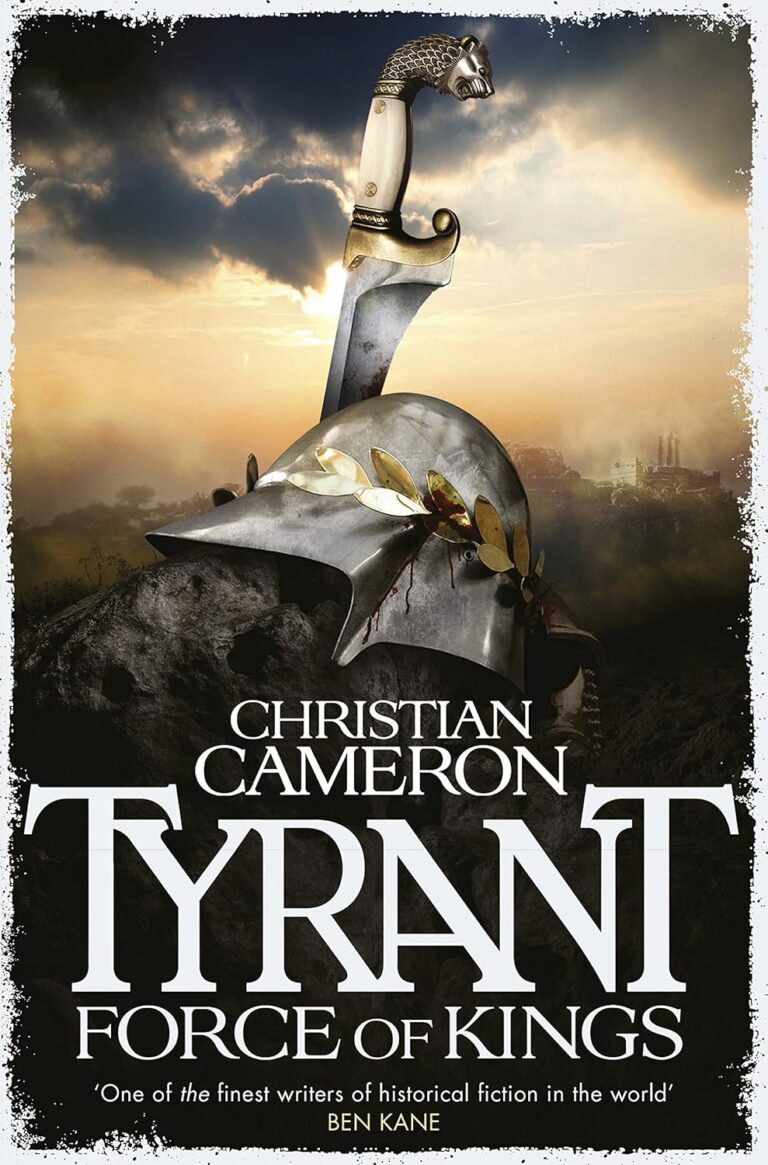
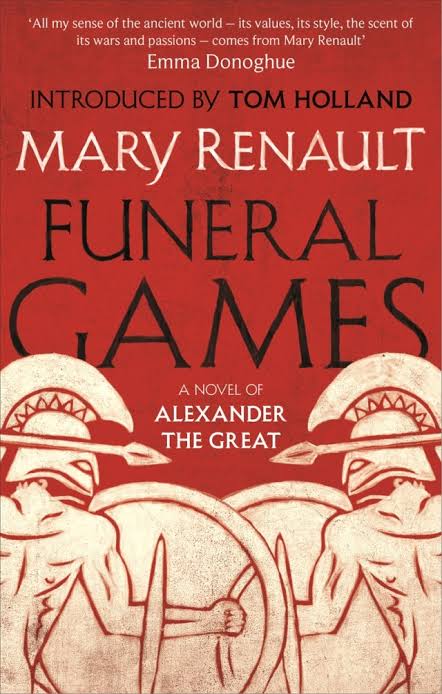
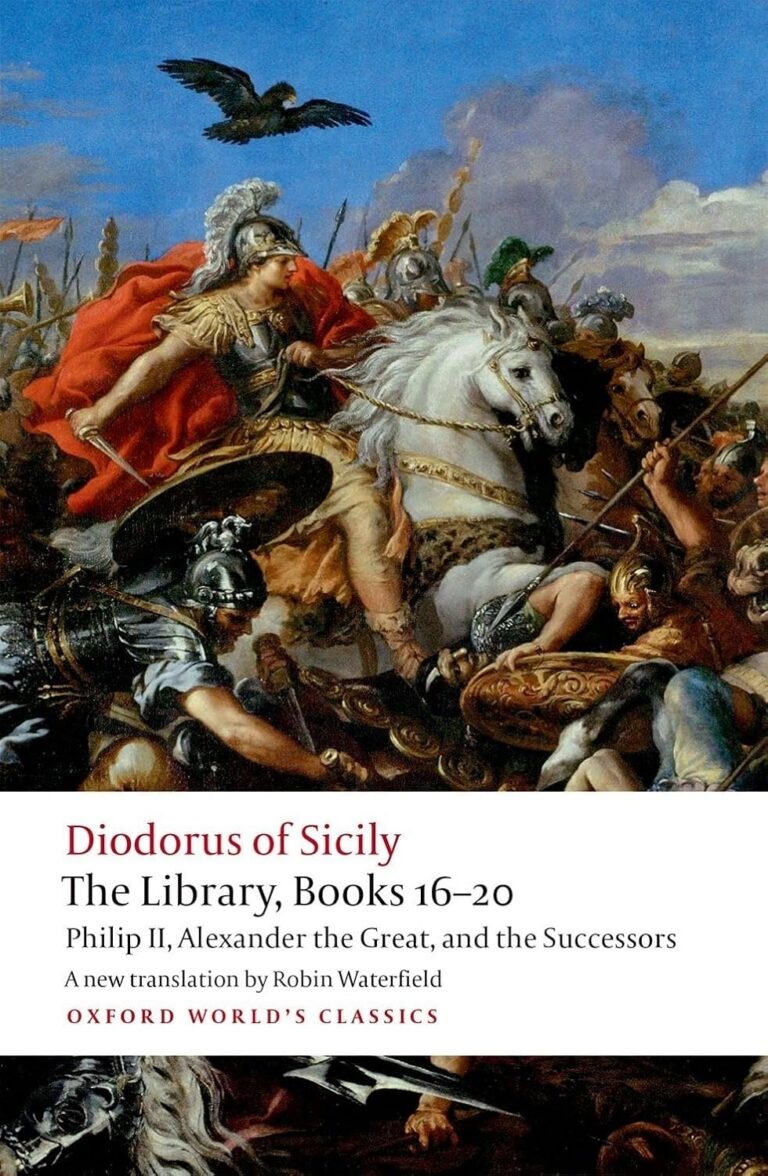
Mary Renault’s Funeral Games follows Cassander through the brutal wars that destroy Alexander’s immediate family, presenting him as one of the men who turns a contested regency into a separate dynastic power. Robert Fabbri’s An Empty Throne places him amid the first struggle after Alexander’s death, while To the Strongest and Forging Kingdoms carry the contest into the successive alliances, betrayals and campaigns from which the Hellenistic kingdoms emerge. Christian Cameron’s Tyrant: Force of Kings shows the same generation of Successors from the viewpoint of rulers and soldiers whose survival depends on choosing among Cassander, Antigonus and their rivals. Diodorus Siculus’s The Library, Books 16-20 provides the major ancient narrative for Cassander’s conflict with Olympias, his seizure of Macedonia and the elimination of Alexander’s remaining heirs.