Nefertari was the principal wife of Ramesses II and one of the most prominent queens of the New Kingdom. She appears in royal monuments, diplomatic contexts and the richly decorated tomb built for her in the Valley of the Queens.
Nefertari held the title Great Royal Wife and was prominently represented in temples and inscriptions during the early reign of Ramesses II. Her richly decorated tomb in the Valley of the Queens and her correspondence with the Hittite royal court attest to her exceptional status.
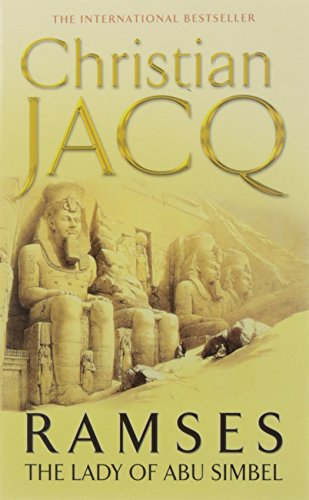
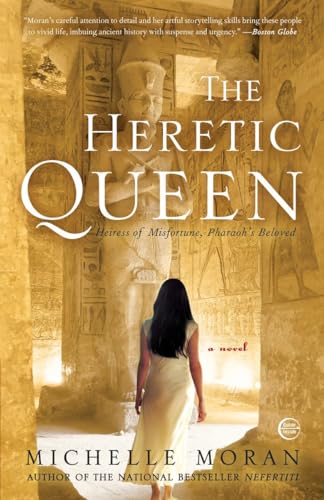
In Michelle Moran’s The Heretic Queen, Nefertari is the last surviving princess associated with the condemned Amarna dynasty, and the memory of Nefertiti’s religious revolution makes her an uncomfortable presence at the new royal court. In Christian Jacq’s The Lady of Abu Simbel, after the shock of Kadesh, Ramesses seeks lasting settlement with the Hittites while also securing his legacy through monuments, diplomacy and family bonds. Nefertari’s position becomes central to the emotional and symbolic world of the reign, especially through the temples at Abu Simbel. Further fictional perspectives on Nefertari can be found in Christian Jacq’s Ramses: The Son of Light, Christian Jacq’s Ramses: Under the Western Acacia, and Christian Jacq’s Ramses: The Temple of a Million Years.