Herod the Great was the Roman-backed king who ruled Judaea in the late first century BC. He gained power through civil war and Roman support, undertook major building projects including expansion of the Jerusalem Temple, and secured his throne through ruthless dynastic politics.
Herod the Great was born in Edom and died in Jericho. Herod the Great also held the offices or ranks of King of Judea. Herod the Great belonged to the Herodian dynasty and operated within Herodian Kingdom of Judea.
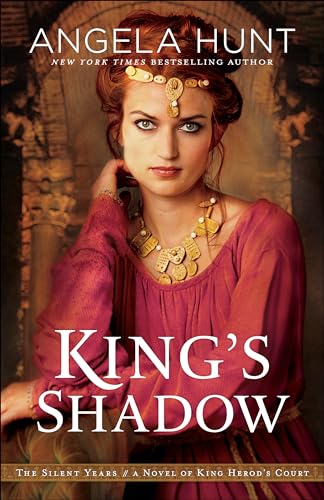
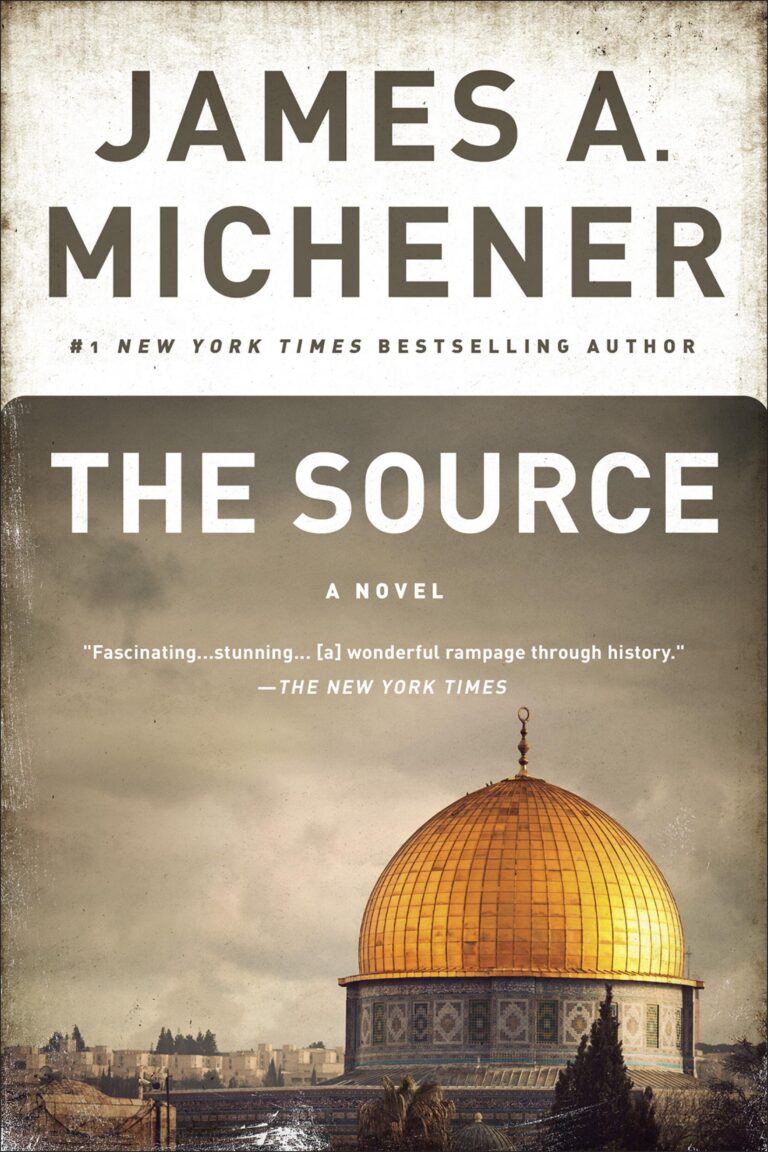
Angela Hunt’s The King’s Shadow approaches Herod through his sister Salome, showing the insecurity, suspicion and family politics beneath his monumental rule. Margaret George’s The Memoirs of Cleopatra brings him into Cleopatra and Antony’s eastern diplomacy, where the neighbouring client king is both a political actor and a potential rival for Roman favour. Robert Graves’ King Jesus sets its speculative life of Jesus within the dynastic and religious aftermath of Herodian rule. James A. Michener’s The Source places Herod’s age within the successive layers of political and religious change in Roman Judaea. Simon Sebag Montefiore’s Jerusalem returns to the documented ruler, examining the building projects, family violence and imperial alliances through which Herod reshaped the city.