Cassandra was a Trojan princess and prophetess, the daughter of King Priam and Queen Hecuba. In the best-known tradition, Apollo grants her the power of prophecy but curses her so that her truthful warnings will never be believed after she rejects him. She foresees the destruction of Troy, warns against bringing the wooden horse into the city and recognises the fate awaiting members of her family, yet she remains powerless to prevent the catastrophe.
Her story makes her a symbol of ignored knowledge, political blindness and the suffering of those who understand a disaster before others will acknowledge it. Cassandra was born in Troy and died in Mycenae.
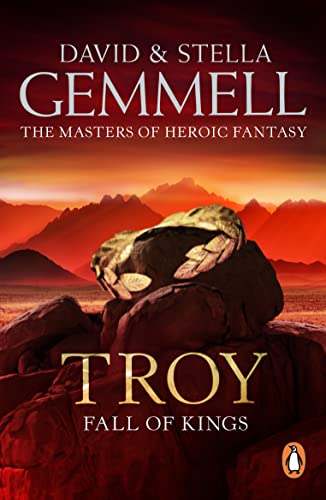
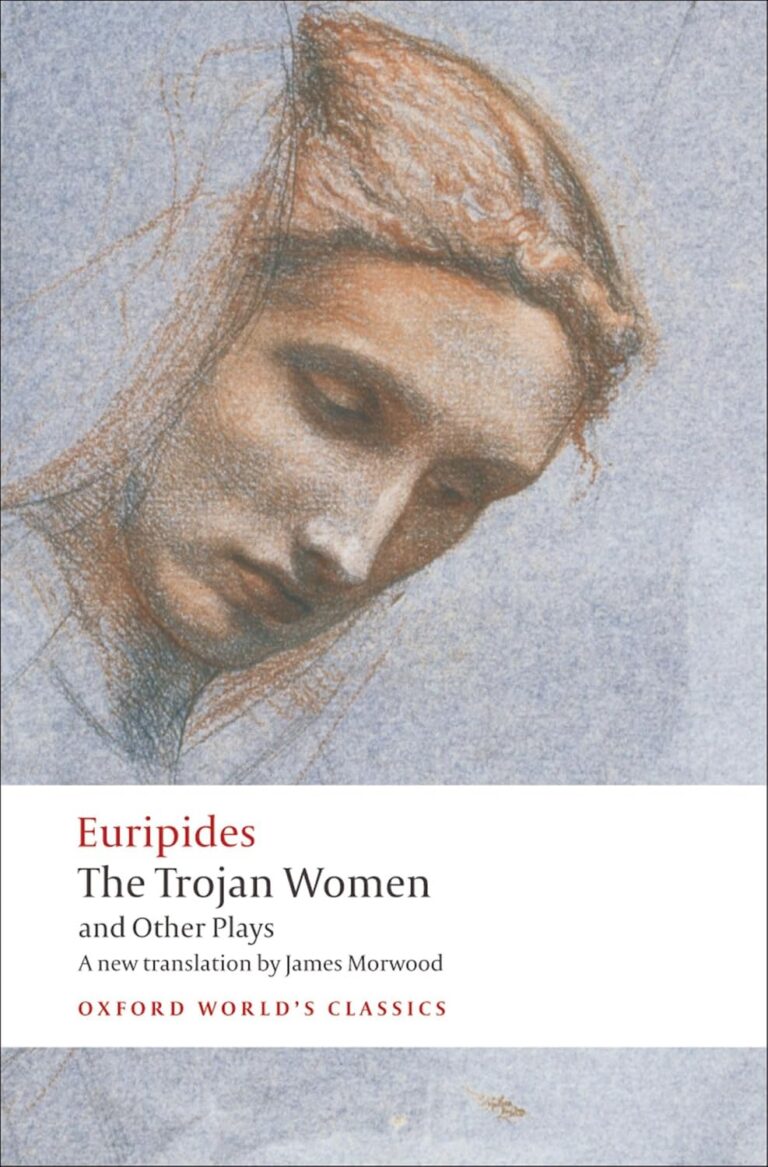
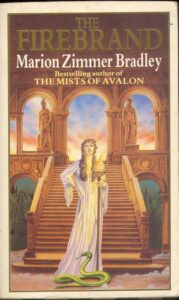
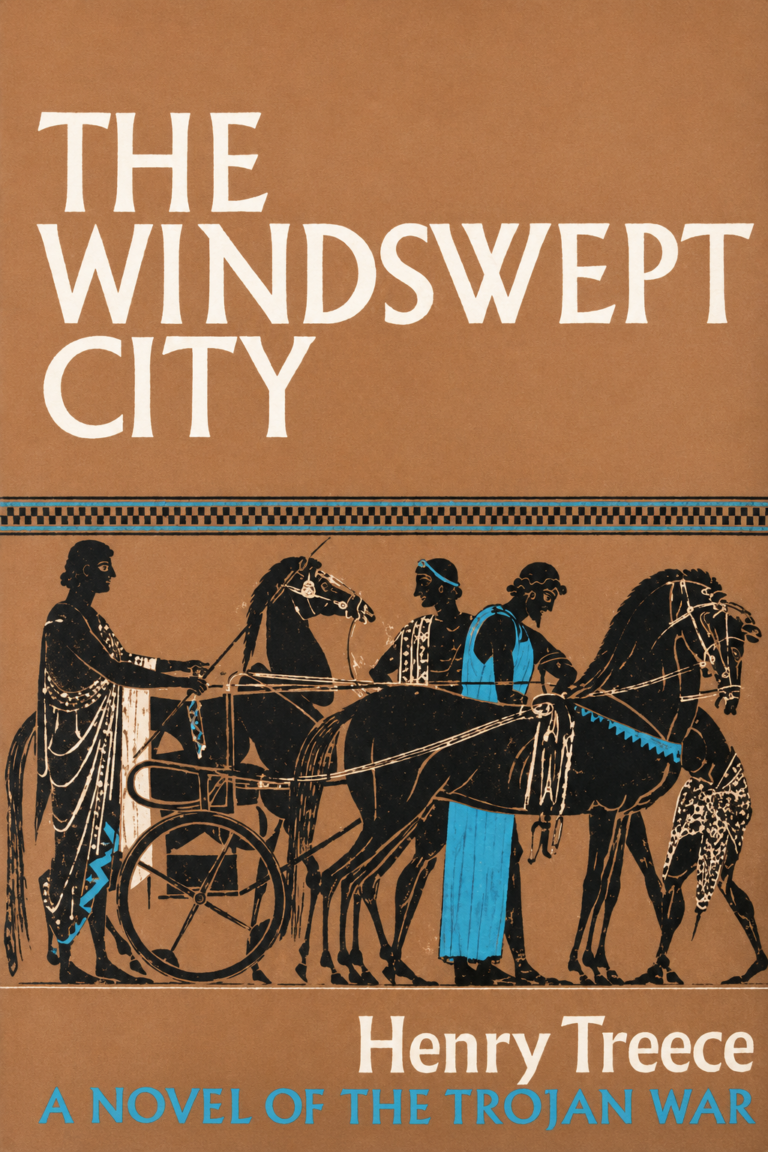
Marion Zimmer Bradley’s The Firebrand makes Cassandra its central witness, following her visions, priestly training and isolation as Troy moves towards the catastrophe she can foresee but cannot prevent. Homer’s The Iliad gives the earlier epic framework in which Cassandra is a Trojan princess within Priam’s doomed household, while Euripides’ The Trojan Women and Other Plays places her among the captive women after the city’s fall and turns prophecy into a bitter commentary on Greek victory. Henry Treece’s The Windswept City reimagines Troy from within the besieged community, and David Gemmell’s Troy: Fall of Kings folds Cassandra into a more militarised retelling of the city’s destruction. Across these versions, her defining role is not simply that she predicts disaster, but that truth without political power leaves her unable to stop it.