Andromache was the wife of Hector, mother of Astyanax and one of the principal Trojan women in Greek epic and tragedy. The daughter of Eetion, king of Thebe, she has already lost her father and brothers to Achilles before the events of the Iliad . Her farewell to Hector presents the Trojan War from the perspective of a wife who understands that his military duty will probably leave her widowed and their son unprotected. Although she begs Hector to remain within Troy’s walls, he returns to battle and is eventually killed by Achilles.
After Troy’s fall, later epic and tragedy imagine Andromache as a captive carried into Greek hands, most often as the slave or concubine of Neoptolemus, the son of Achilles. Her story became one of antiquity’s most enduring representations of civilians forced to live beyond the destruction of their city.
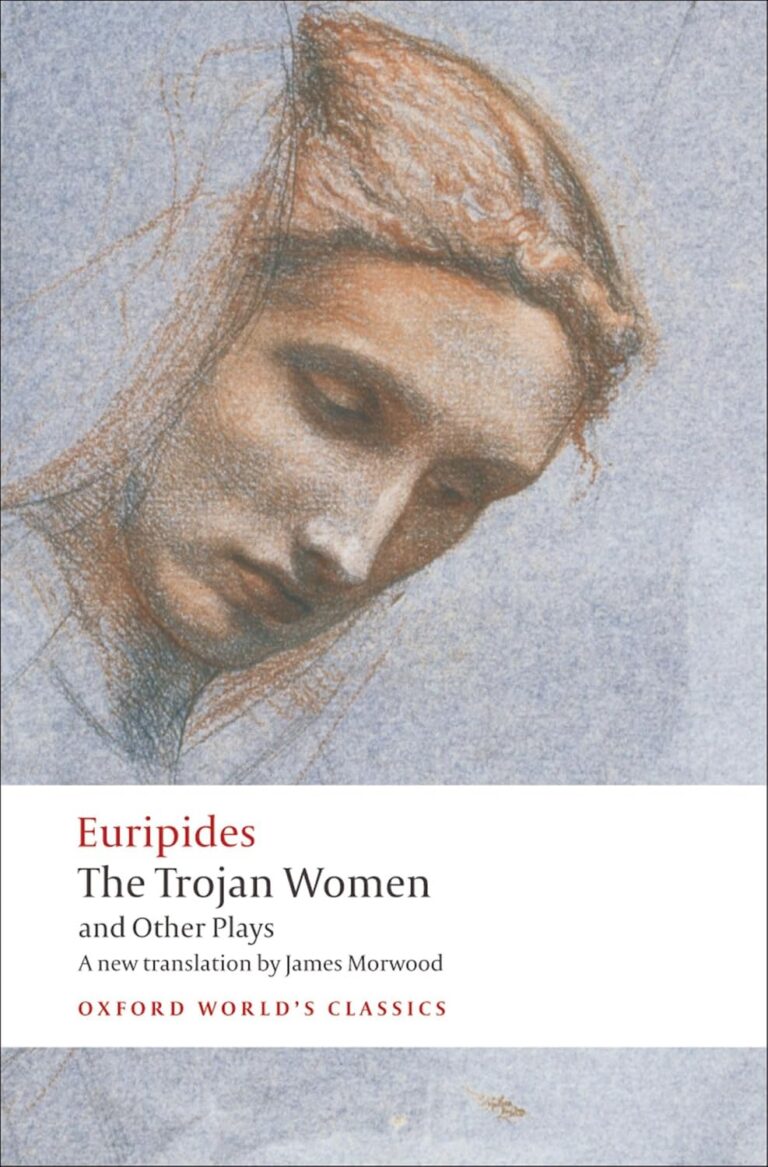
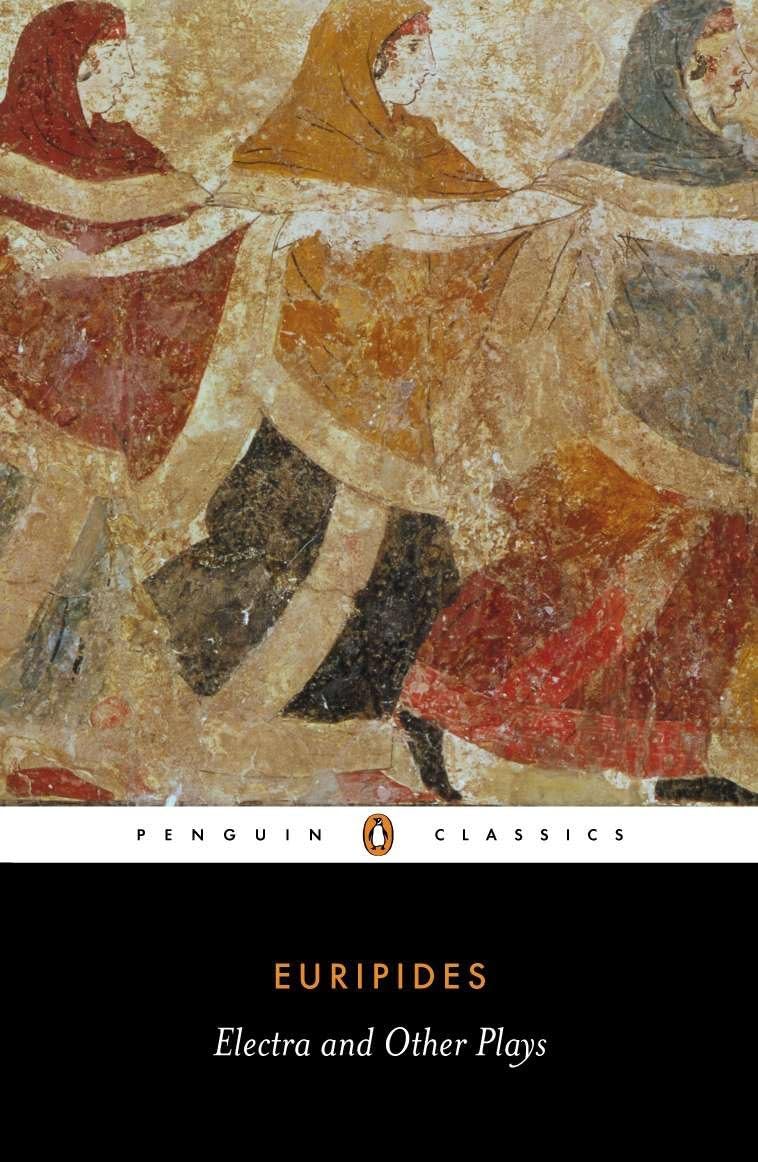
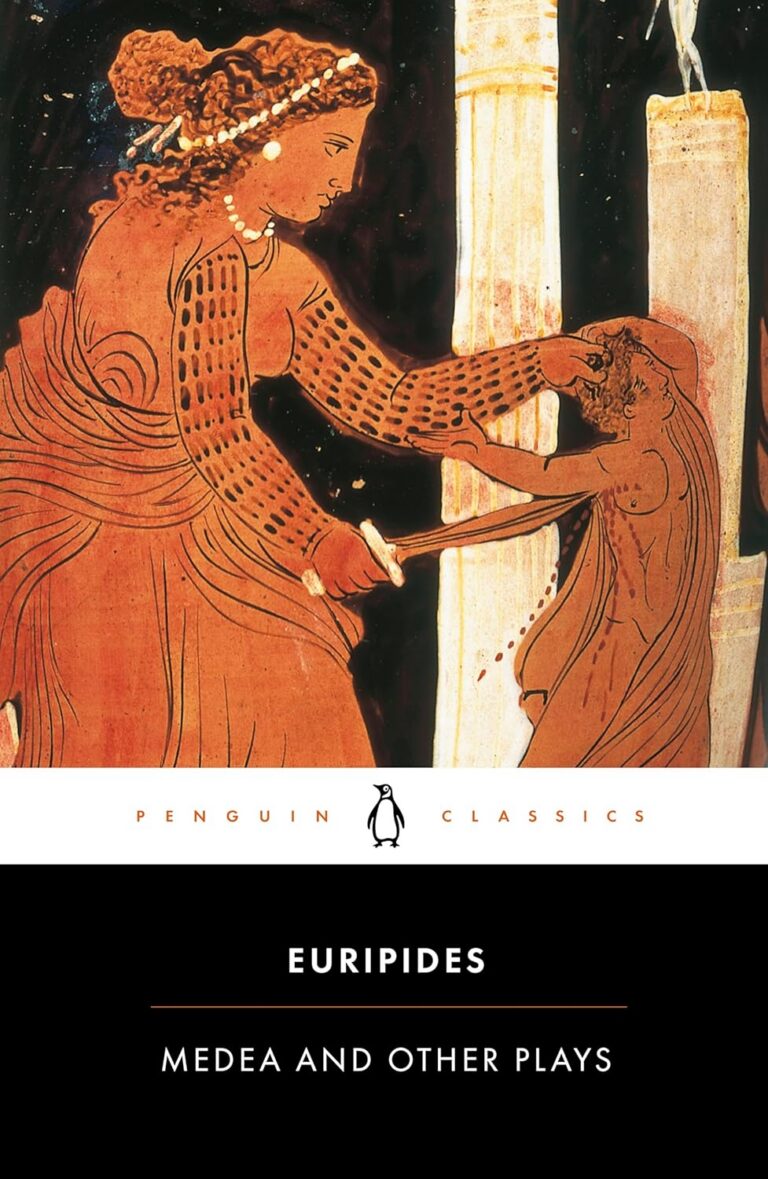
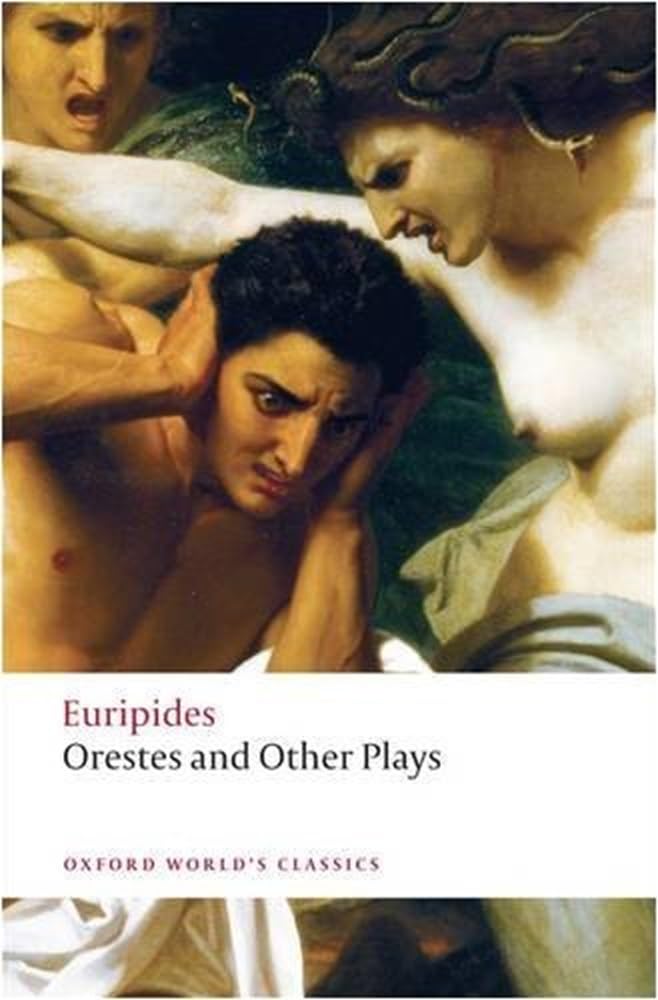
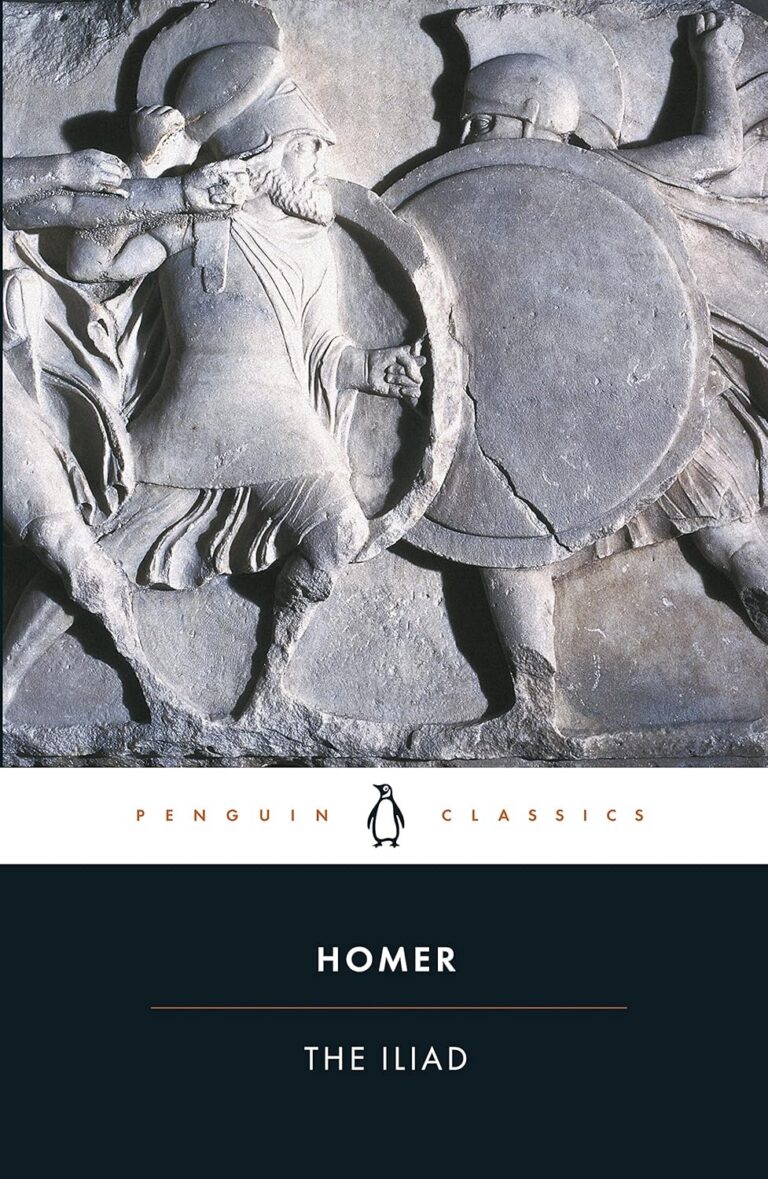
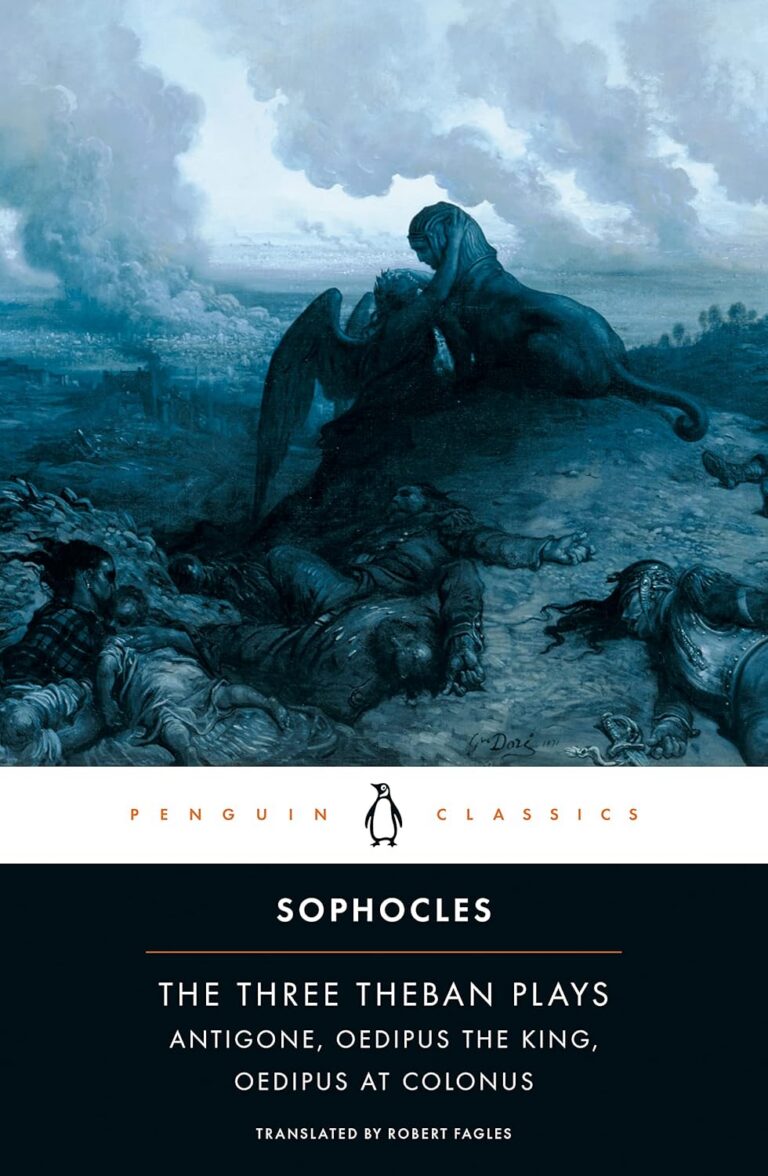
In Euripides’ Electra and Other Plays, in The Suppliant Women, the mothers of the Argive dead appeal to Theseus to recover their sons’ bodies from Thebes, forcing Athens to decide whether justice warrants another war. Andromache follows Hector’s enslaved widow as Hermione threatens her and her son within the household of Neoptolemus. In Homer’s The Iliad, Scenes of battle are balanced by intimate encounters between Hector and Andromache, Achilles and Patroclus, and Priam and Achilles. Andromache is treated fictionally in Euripides’ The Trojan Women and Other Plays, David Gemmel’s Troy: Fall of Kings, David Gemmel’s Troy: Lord of the Silver Bow, and David Gemmel’s Troy: Shield of Thunder.