Patroclus was the closest companion of Achilles and one of the central Greek figures in the Trojan War tradition. Although less formidable than Achilles, he is portrayed as compassionate, loyal and courageous, providing a gentler contrast to his friend’s pride and destructive anger.
When Achilles withdraws from the fighting after his quarrel with Agamemnon, Patroclus remains beside him but becomes increasingly distressed by the suffering of the Greeks and the burning of their ships. Patroclus died in Troy.
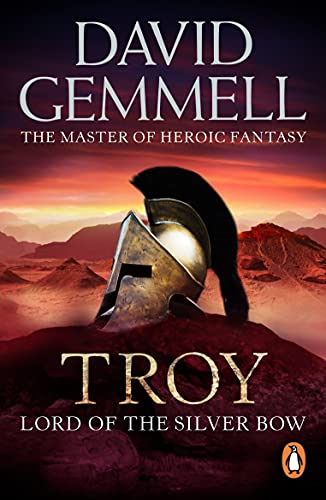
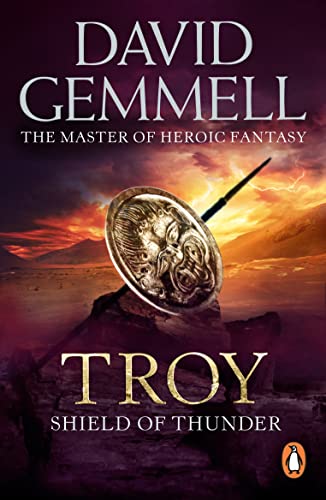
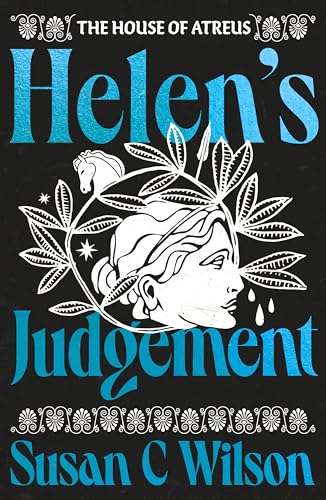
In Susan C Wilson’s Helen’s Judgement, the new life she imagines rapidly becomes another confinement as Trojans and Achaeans make her the explanation for a war created by royal ambition. Helen’s account alternates with that of Achilles, whose pursuit of glory binds him to the Greek expedition and to Patroclus even when conflict with Agamemnon removes him from battle. In Caroline Alexander’s The Iliad, the poem opens with a quarrel between Achilles and Agamemnon that drives Achilles from the fighting and leaves the Greek army exposed to a renewed Trojan attack. Hector leads the defence of Troy, the gods repeatedly intervene in human affairs, and the death of Patroclus draws Achilles back into battle with devastating consequences. Patroclus is treated fictionally in Madeline Miller’s The Song of Achilles, Homer’s The Odyssey, David Gemmel’s Troy: Fall of Kings, and David Gemmel’s Troy: Shield of Thunder.