Helen of Troy was the queen of Sparta, wife of Menelaus and sister of Clytemnestra, whose departure for Troy with the prince Paris becomes the legendary cause of the Trojan War.
Celebrated as the most beautiful woman in the Greek world, she is variously portrayed as an abducted wife, a willing lover, a victim of divine interference and a political prize claimed by competing men. These conflicting traditions make Helen a complex figure through whom ancient writers explored beauty, desire, marriage, reputation, female agency and responsibility for war. In Homer’s Odyssey Helen is again living with Menelaus at Sparta after the war, while other ancient traditions offered radically different endings or even claimed that the real Helen never went to Troy at all.
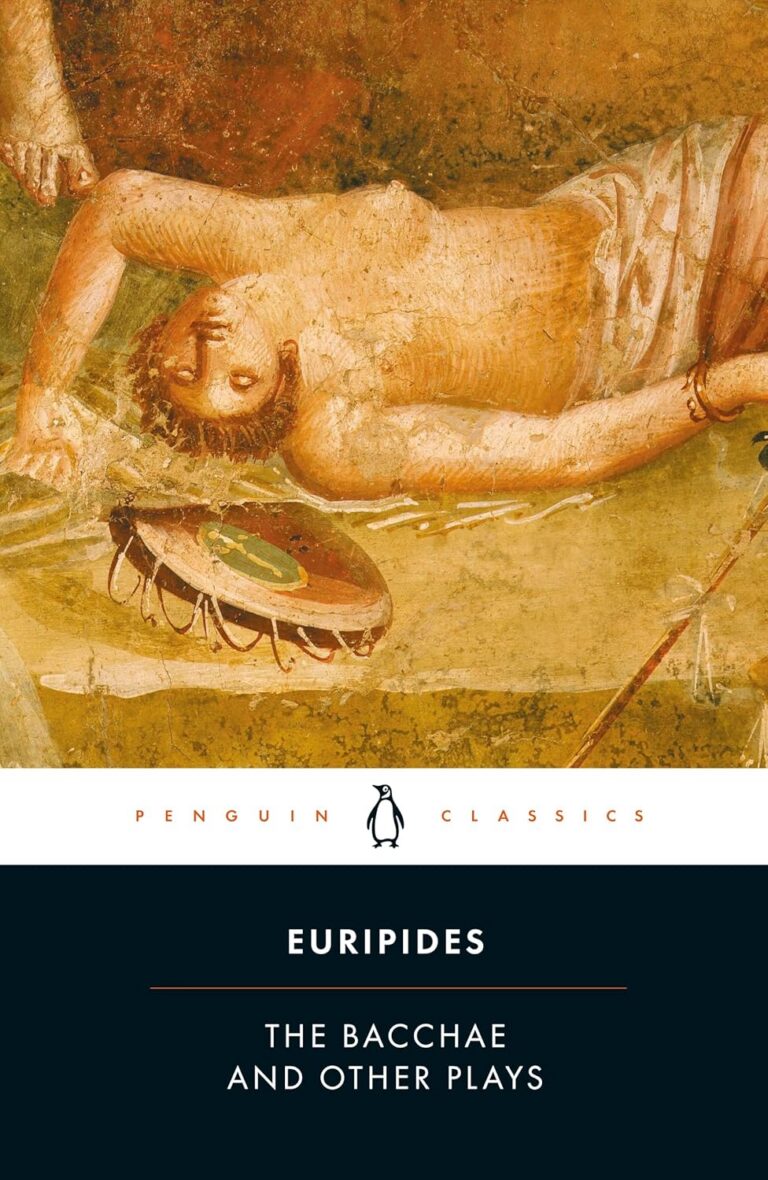
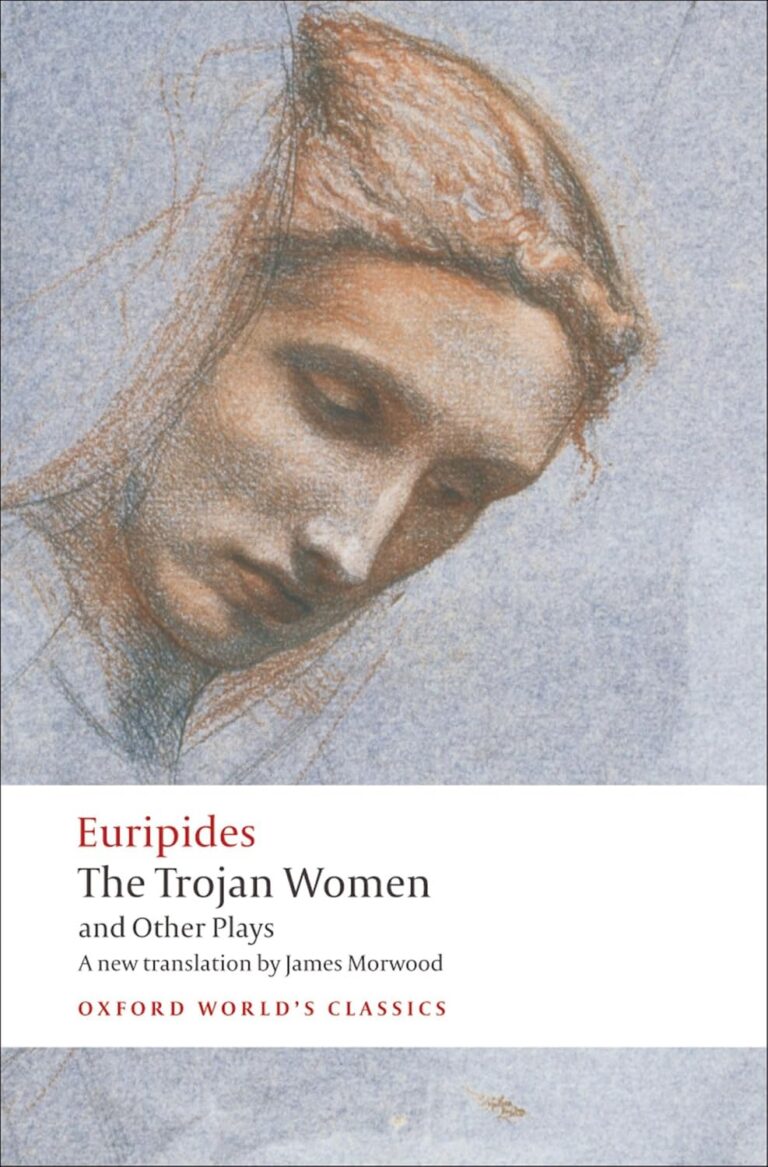
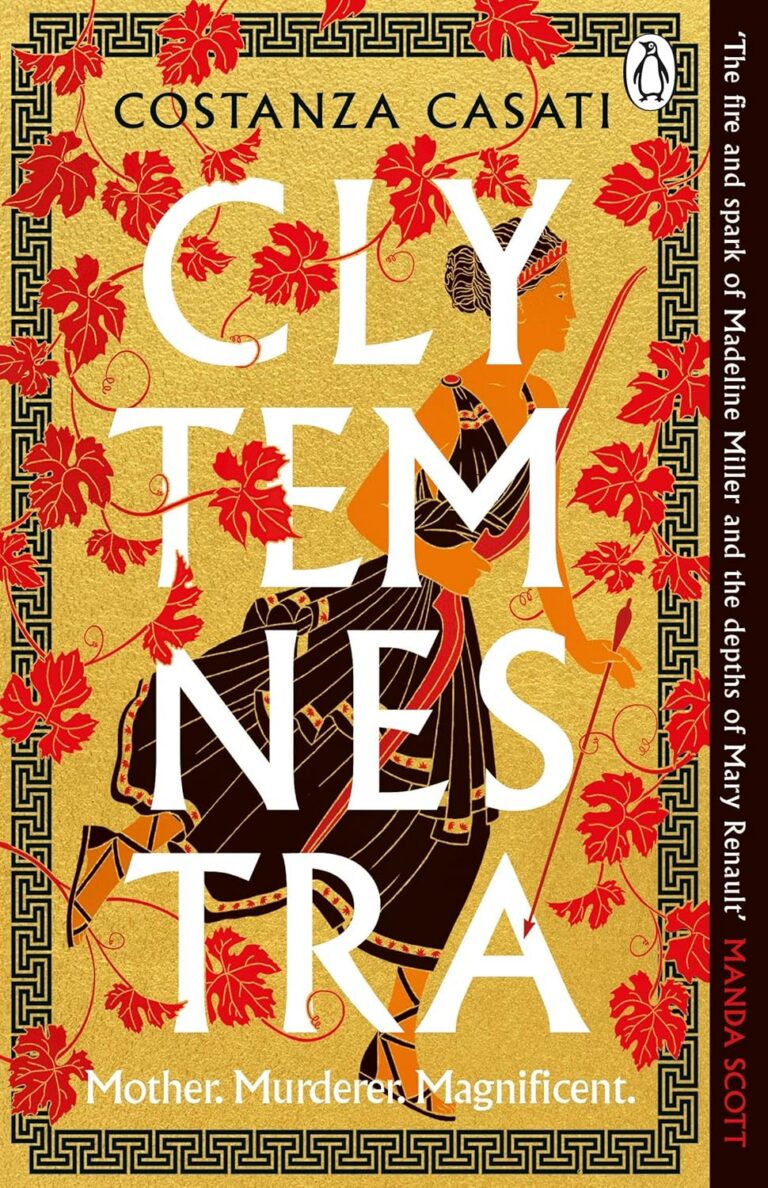
In Costanza Casati’s Clytemnestra, Raised as a Spartan princess alongside her sister Helen, Clytemnestra is trained to fight but expected to submit to the marriages and alliances chosen by men. Agamemnon destroys her first family and carries her to Mycenae as his queen. In Euripides’ Electra and Other Plays, Hecuba shows Troy’s former queen confronting the sacrifice of Polyxena and avenging the murder of Polydorus, while The Trojan Women follows Hecuba, Cassandra, Andromache and Helen as the victorious Greeks divide Troy’s surviving women and condemn Astyanax to death. Helen of Troy is treated fictionally in Susan C Wilson’s Clytemnestra’s Bind, Susan C Wilson’s Helen’s Judgement, Euripides’ Orestes and Other Plays, Euripides’ The Bacchae and Other Plays, and Marion Zimmer Bradley’s The Firebrand.