Menelaus was the king of Sparta, husband of Helen and brother of Agamemnon. His marriage to Helen linked Sparta to the wider network of Greek rulers who had sworn to defend her chosen husband, and her departure with Paris provided the immediate cause for the expedition against Troy.
Although he is often overshadowed by Agamemnon, Achilles and Odysseus, Menelaus remains central to the conflict as the wronged husband whose private loss becomes a war involving kingdoms across the Greek world.
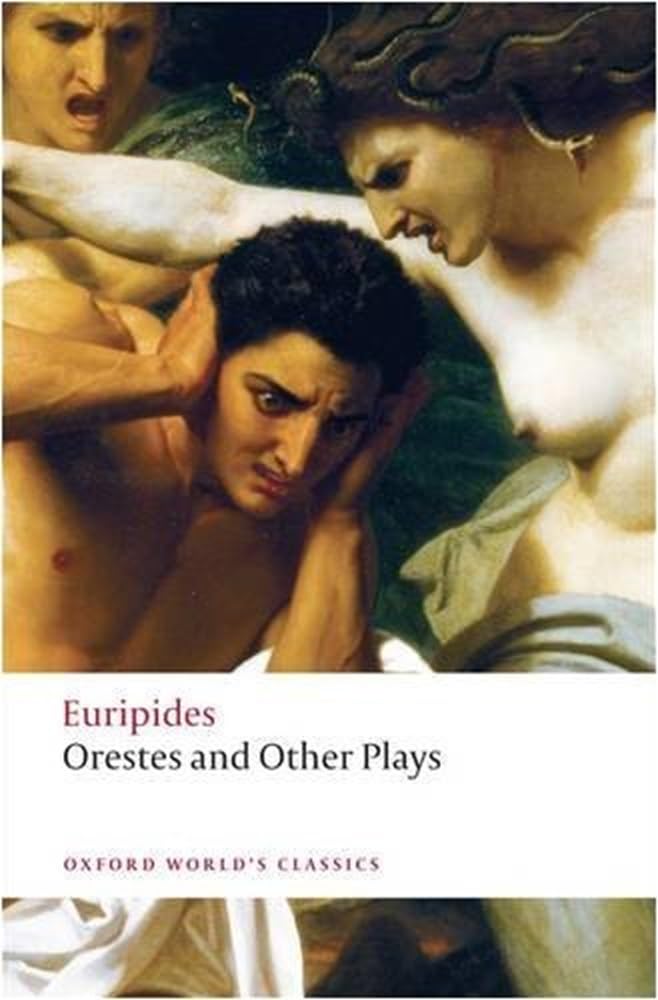
Homer’s The Iliad makes Menelaus the wronged Spartan king whose wife Helen’s departure with Paris supplies the coalition’s formal cause for war, while his battlefield encounters repeatedly connect private grievance to the larger Achaean campaign. Susan C Wilson’s Helen’s Judgement retells the marriage from Helen’s perspective, presenting Menelaus as the husband chosen for dynastic reasons before her flight to Troy. Euripides’ Orestes and Other Plays brings the older Menelaus back after Troy as the relative from whom Orestes and Electra expect help, only to find political caution stronger than family duty. The Trojan Women and Other Plays confronts him with Helen after the city’s fall and turns their reunion into a debate over blame and punishment. Manolo Palomares’ The Last Night of Troy returns Menelaus to the final Greek deception, making the recovery of Helen one of the objectives behind the warriors hidden in the wooden horse.