The Long Nineteenth Century runs from the French Revolution in 1789 to the outbreak of the First World War in 1914. Revolutionary politics, the Napoleonic Wars and the settlement of 1815 reshaped Europe, while industrialisation, urbanisation, expanding print culture, nationalism and new technologies transformed states and societies across the following century.
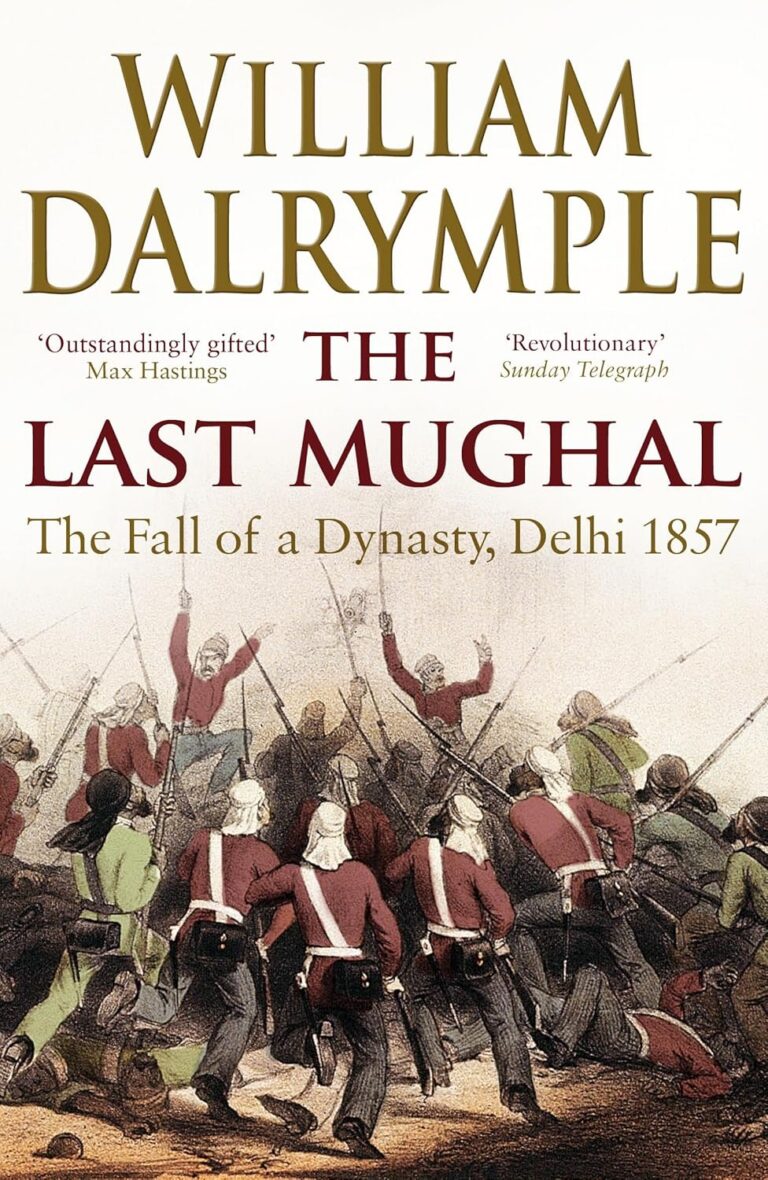
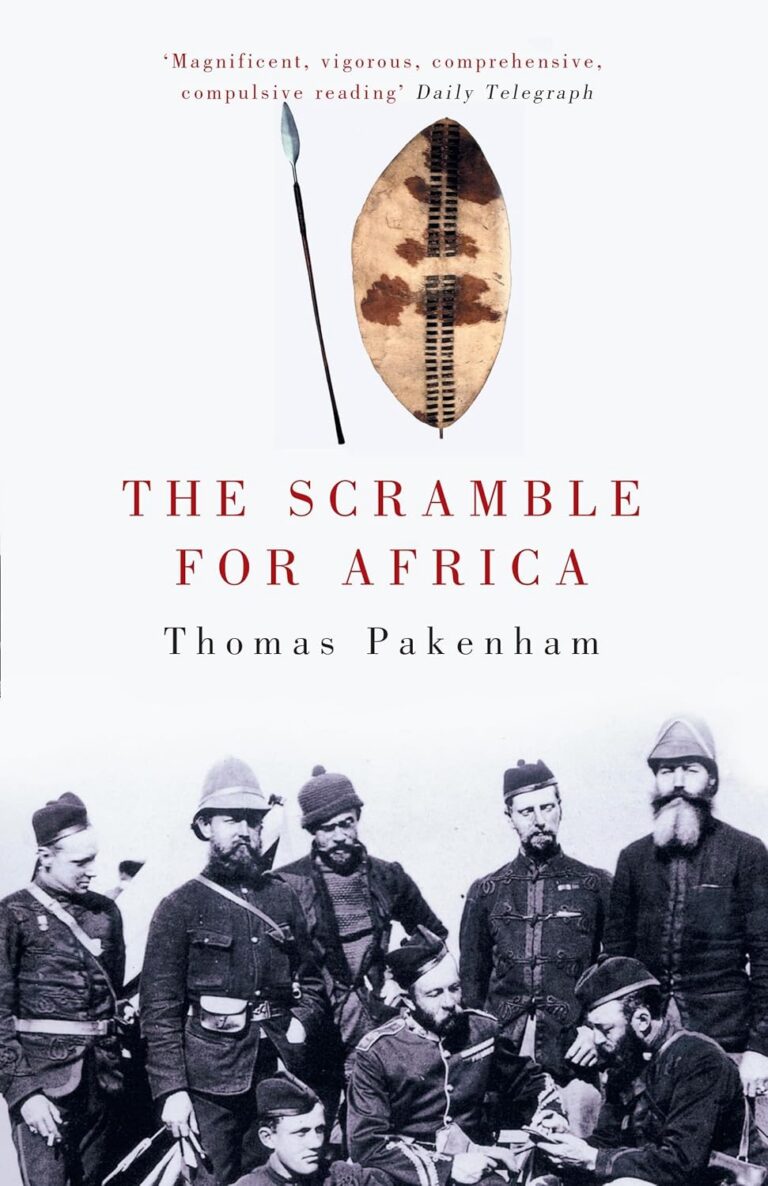
The period was also defined by global imperial expansion and resistance. European empires extended political, military and economic power across Africa and Asia, while Japan modernised rapidly, Korea faced mounting external pressure and colonial rule reshaped societies around the world. The chronology therefore overlaps with regional histories that did not follow a purely European political timetable.
Revolution, unification, mass politics, labour movements, financial crises and imperial rivalry all intensified before 1914. The period links the post-Enlightenment revolutionary world to the industrial and imperial systems whose tensions culminated in the First World War.