Alexander II was emperor of Russia from 1855 to 1881 and is best known for the emancipation of the empire’s serfs. He inherited the throne during the Crimean War, whose failures exposed weaknesses in Russia’s military, administration and economy. His government responded with a broad programme of reform: the emancipation settlement of 1861 ended legal serfdom for millions of peasants, while subsequent measures changed local government, the courts, military service and education.
The reforms were substantial but limited. Former serfs often received land under burdensome financial arrangements, censorship remained important and imperial rule stayed autocratic. Alexander’s reign also saw expansion in Central Asia, the suppression of the Polish uprising of 1863 and war against the Ottoman Empire in 1877–78. Revolutionary opposition grew as expectations outran political change. After several failed attacks, members of the organisation People’s Will assassinated Alexander in St Petersburg on 13 March 1881, just as his government was considering further consultative reforms.
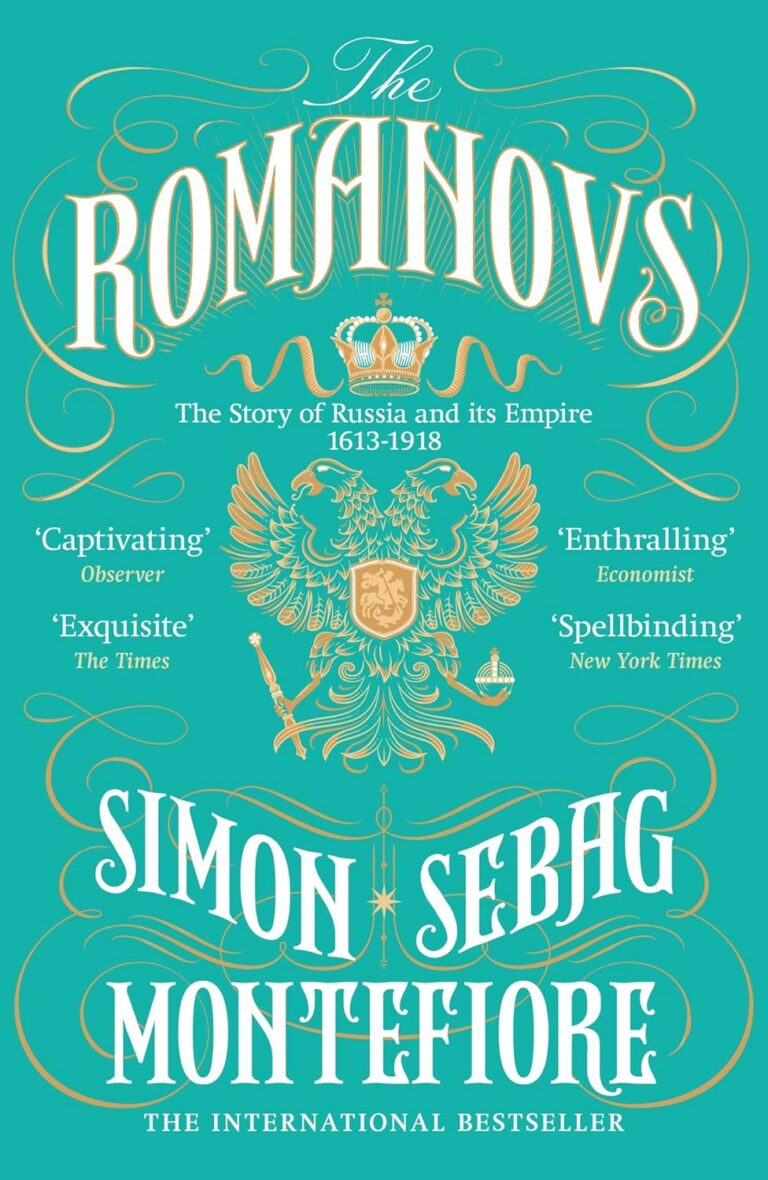
Simon Sebag Montefiore’s The Romanovs traces the dynasty that ruled Russia from the accession of Michael Romanov in 1613 to the fall of Nicholas II and the murder of the imperial family in 1918. In Gary Jennings’ Spangle: The Grand Promenade, the Florilegium continues east and north through Hungary and Russia before turning towards the most prestigious stages of western Europe.