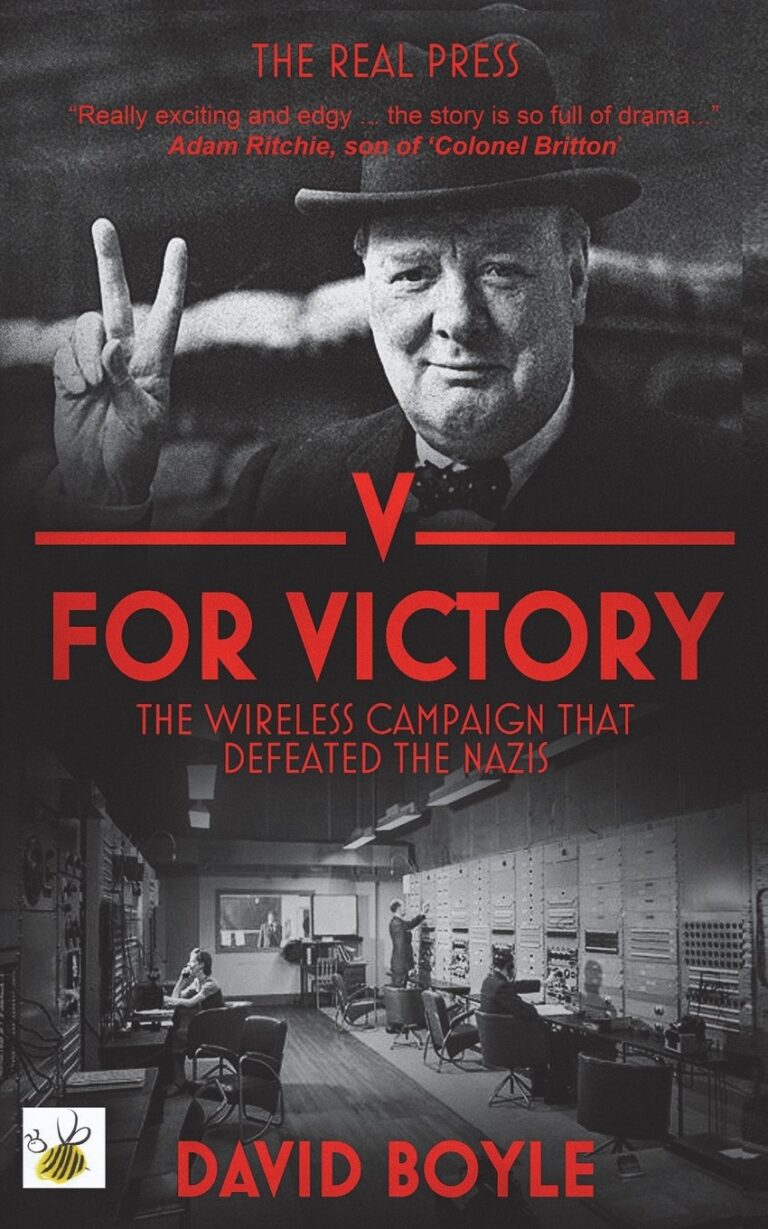
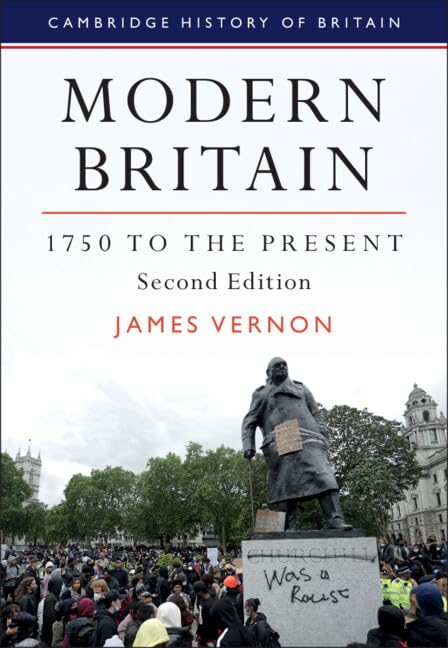
Winston Churchill was a British politician, soldier and writer who served as prime minister from 1940 to 1945 and again from 1951 to 1955. His leadership during the Second World War, particularly in the crisis of 1940, made him one of the defining British political figures of the twentieth century, while his long career also encompassed major imperial and domestic controversies.
Before becoming prime minister Churchill held a succession of senior offices, including Home Secretary, First Lord of the Admiralty, Minister of Munitions, Colonial Secretary and Chancellor of the Exchequer. After the war he became a prominent advocate of close Anglo-American cooperation and warned publicly about the division of Europe during the early Cold War. His historical reputation remains shaped both by wartime leadership and by debate over his imperial views and policies.
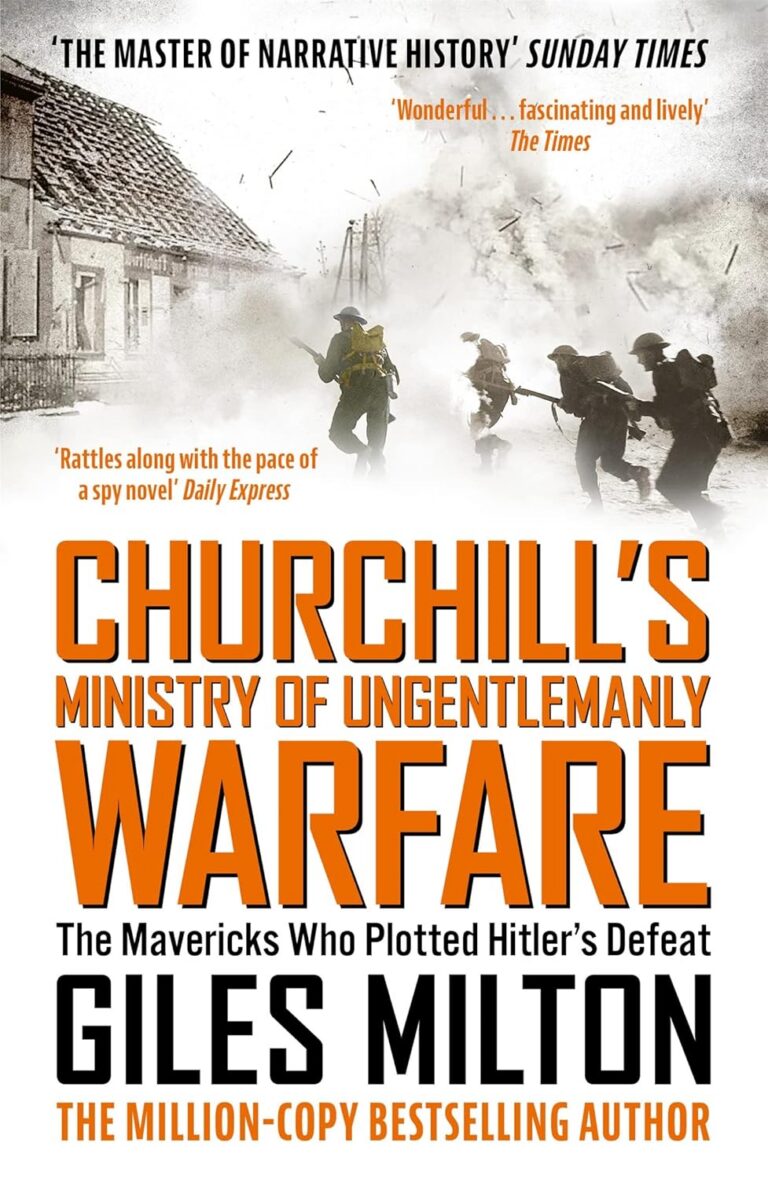
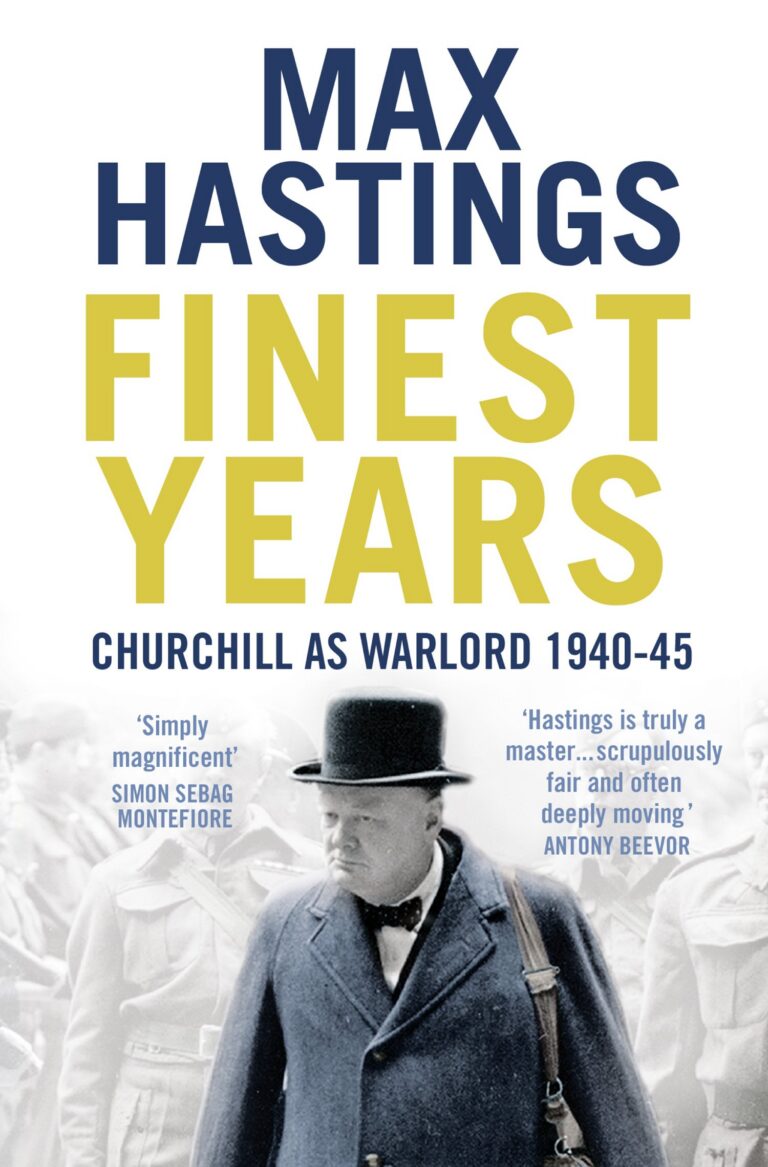
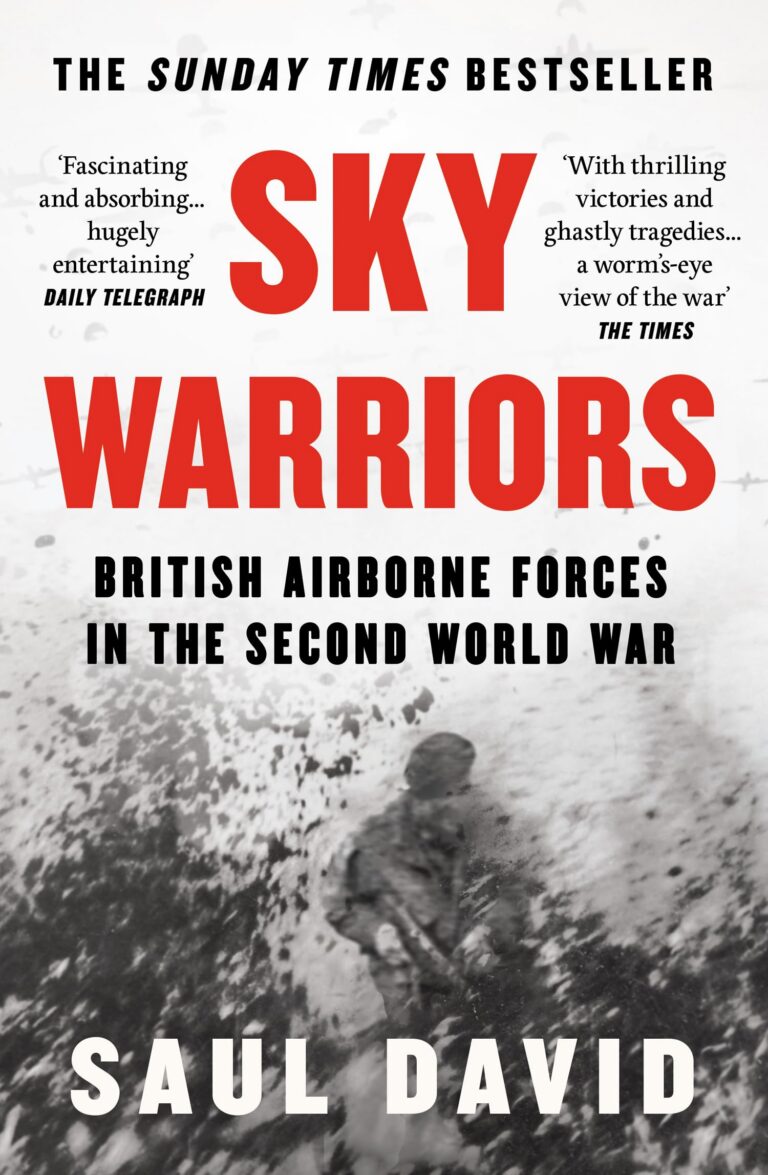
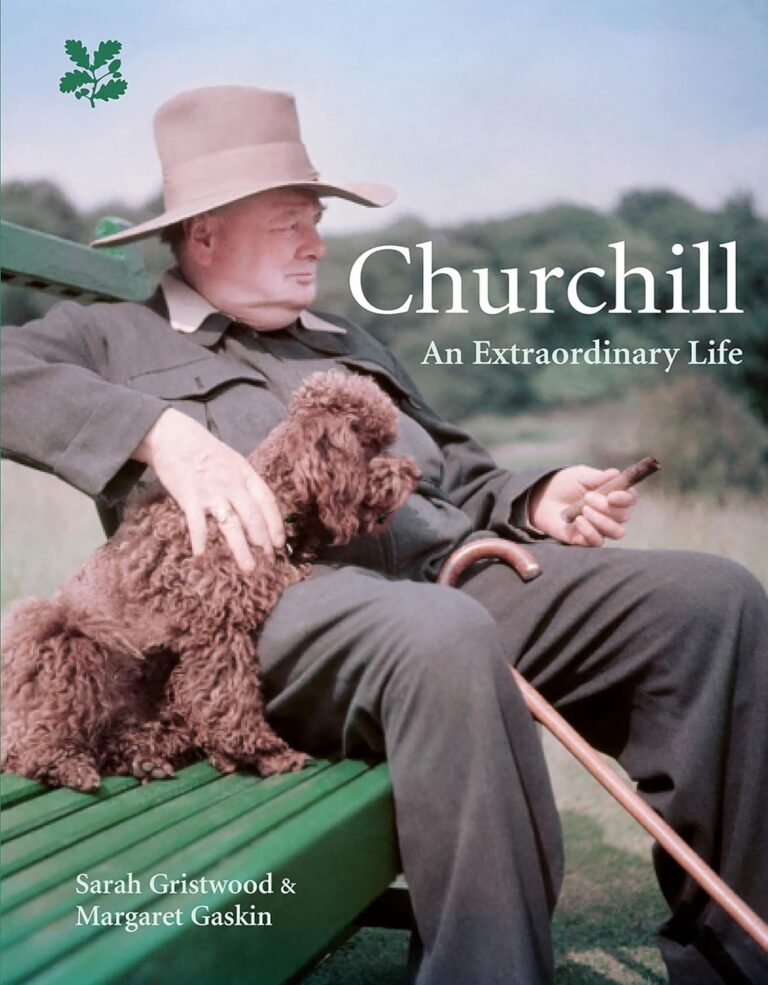
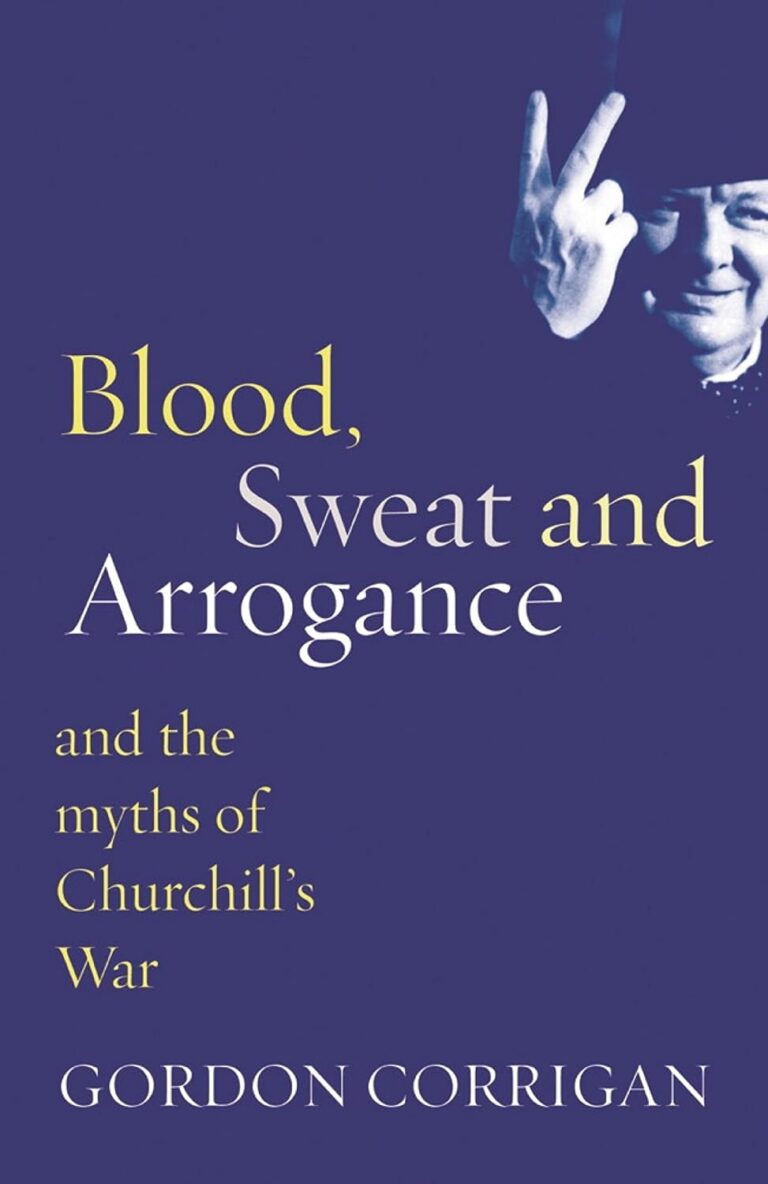
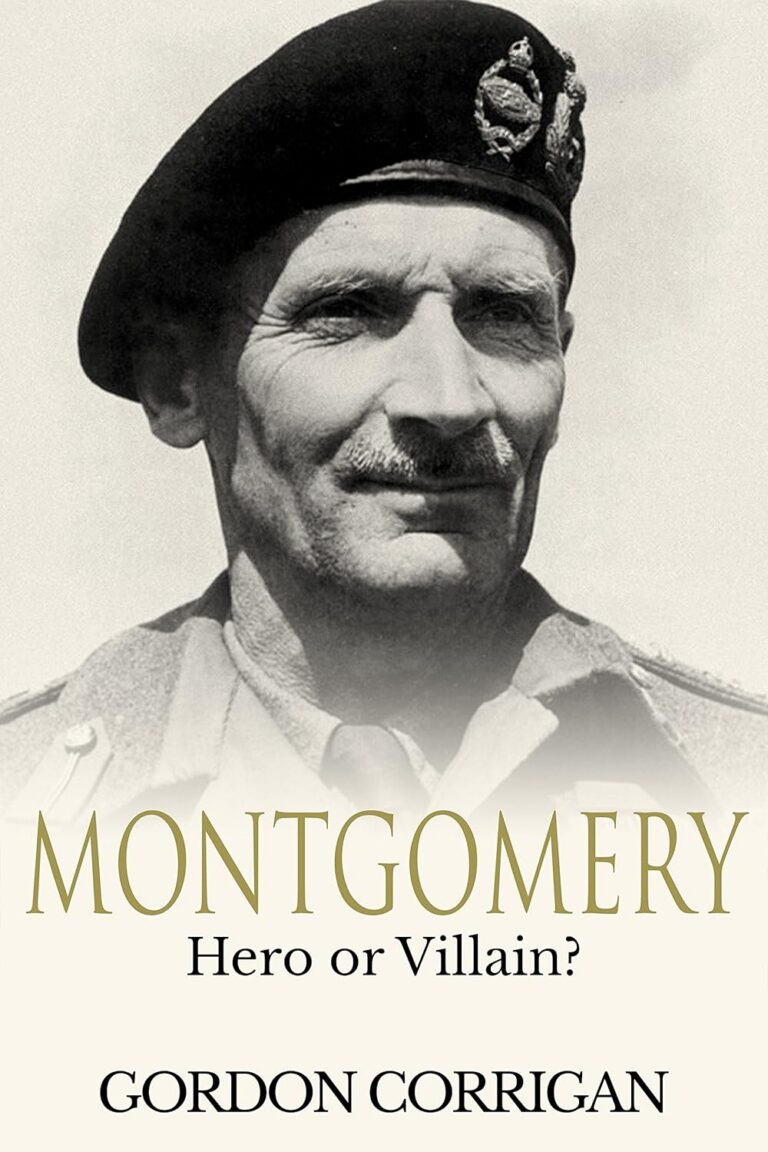
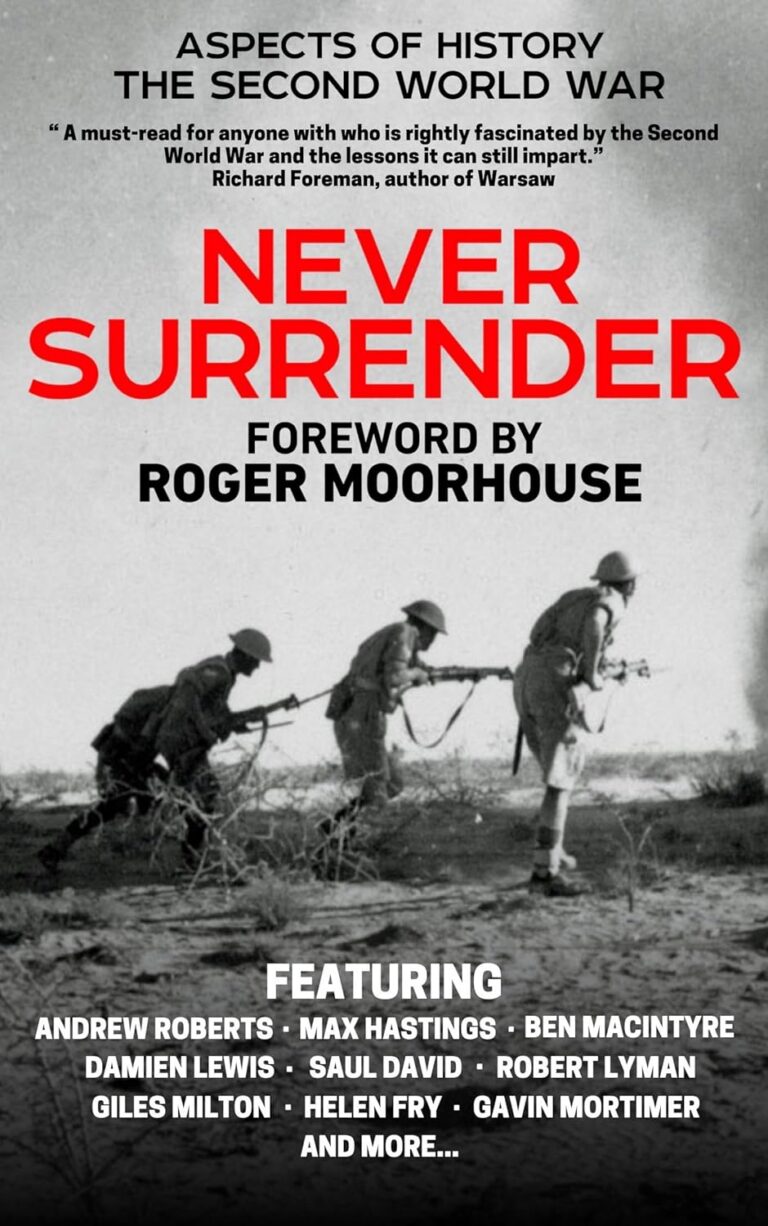
Gordon Corrigan’s Blood, Sweat and Arrogance questions Winston Churchill’s interference in operations and challenges the post-war reputations of senior commanders including Bernard Montgomery, while also considering the institutional failures that no individual could explain alone. In Sarah Gristwood’s Churchill, this illustrated biography surveys Winston Churchill’s public and private life through the house and landscape of Chartwell, the Kent home that became his refuge, workplace and most personal creation. Additional non-fiction treatment of Winston Churchill comes from Giles Milton’s Churchill’s Ministry of Ungentlemanly Warfare, Ian Rutledge’s Enemy on the Euphrates, Sir Max Hastings’ Finest Years, Ben Macintyre’s Never Surrender, and Saul David’s Sky Warriors.