As an Amazon Associate, I earn from qualifying purchases. This means if you click on a link and make a purchase, I may receive a small commission at no extra cost to you.

Home / Historical Periods / Interwar Period / Rise of Fascism

Phase

Rise of Fascism

1919–1939 CE

The rise of fascism followed World War I amid economic fear, nationalist grievance, anti-communism and disillusionment with liberal politics. Mussolini took power in Italy, Hitler rose in Germany, and fascist movements influenced politics across Europe. Violence, propaganda, paramilitary organisation and leader worship became central tools.

This phase matters because it links private fear to mass politics. It shows how ordinary people, elites, veterans, police, newspapers and business interests could enable authoritarian rule. Interwar fiction uses this setting for spies, journalists, refugees, compromised officials and families watching public life turn dangerous.

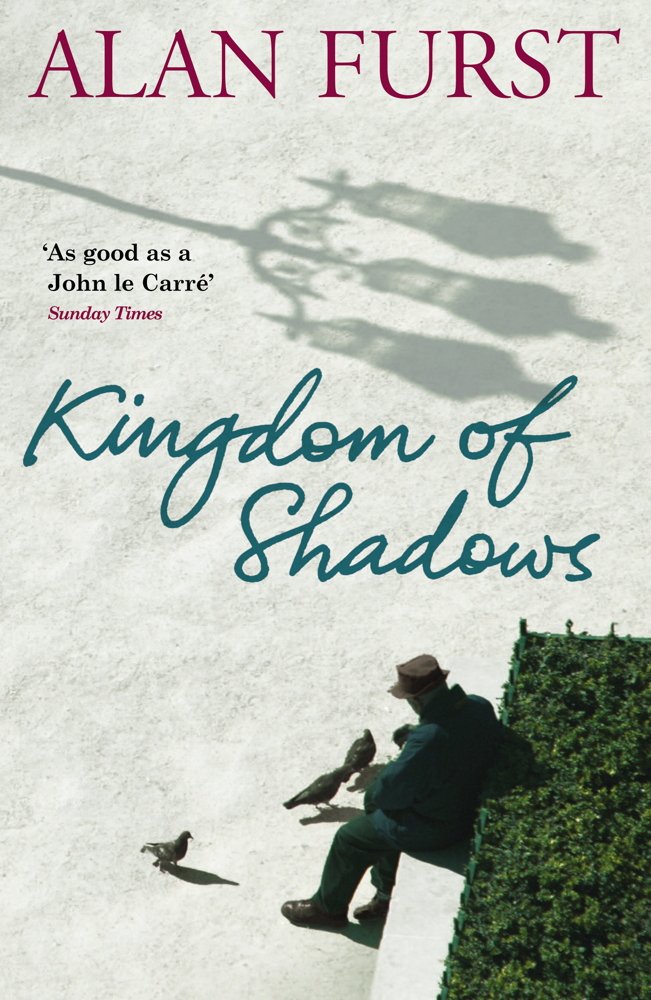
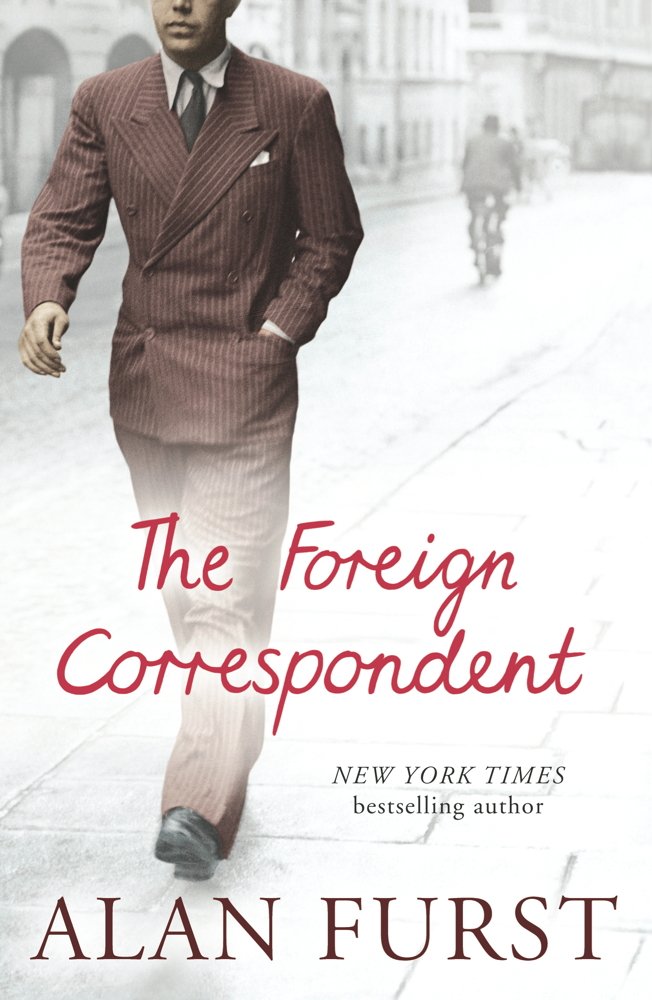
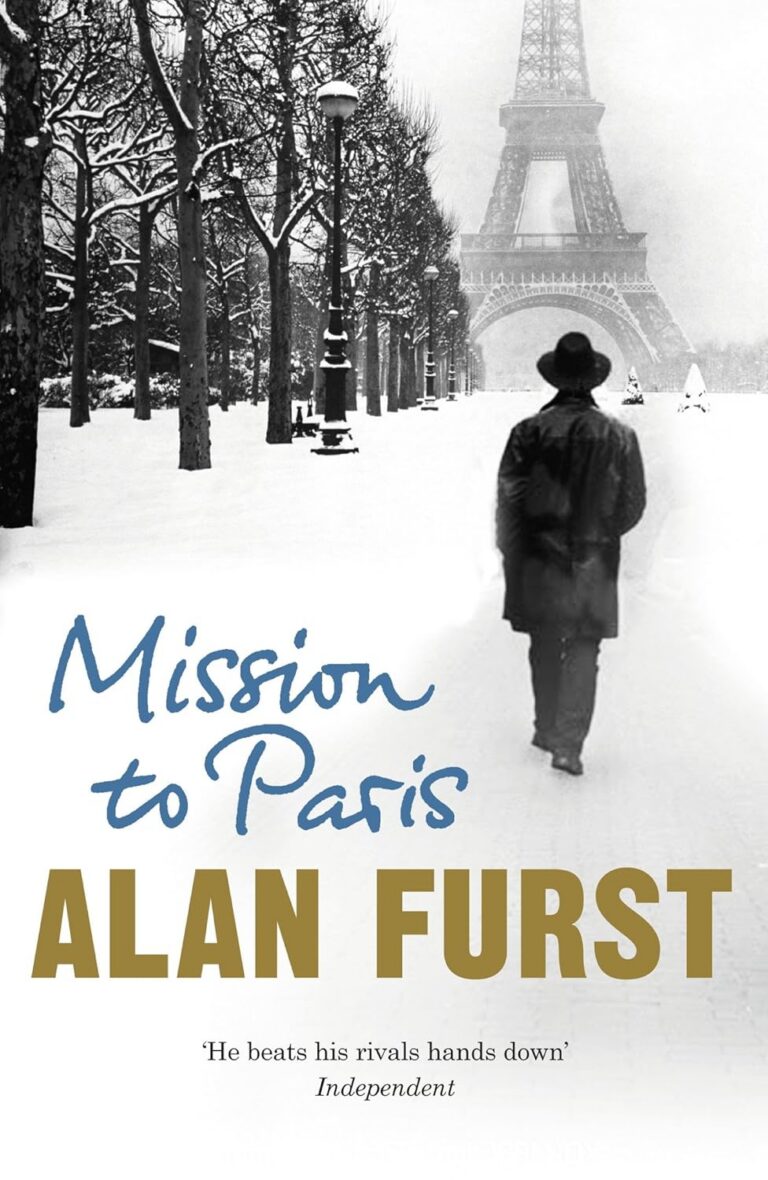
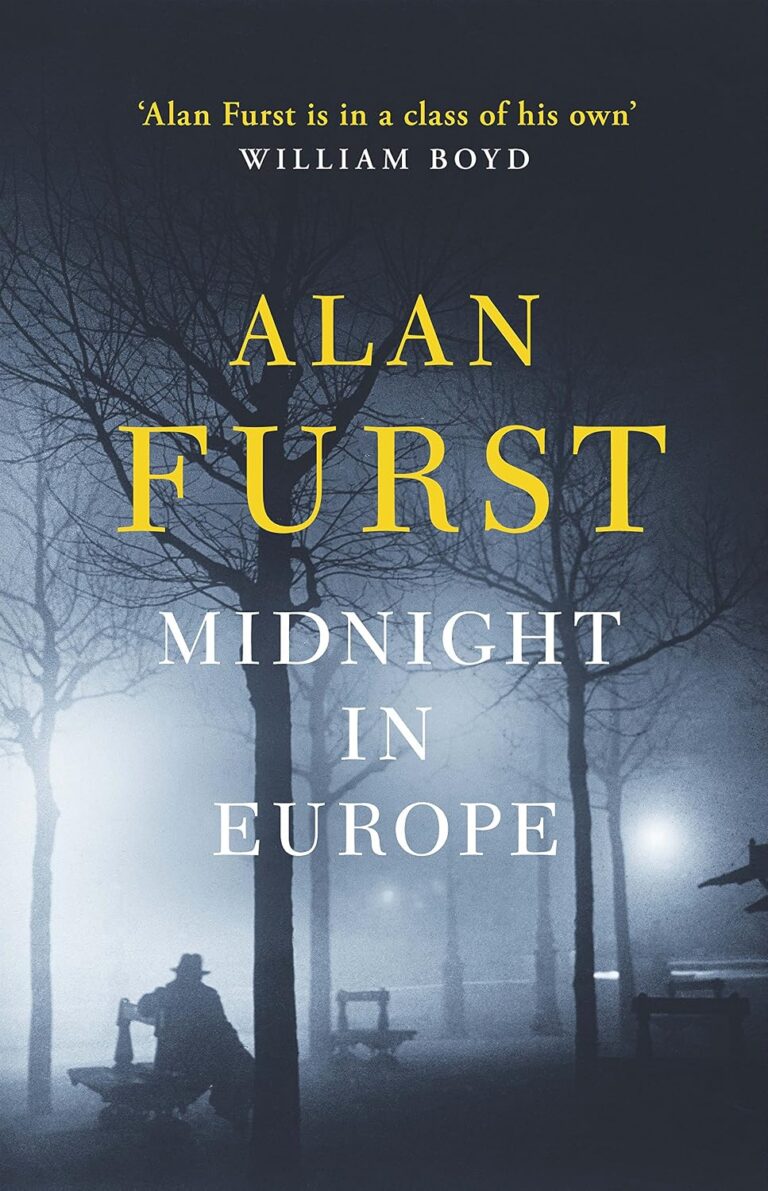
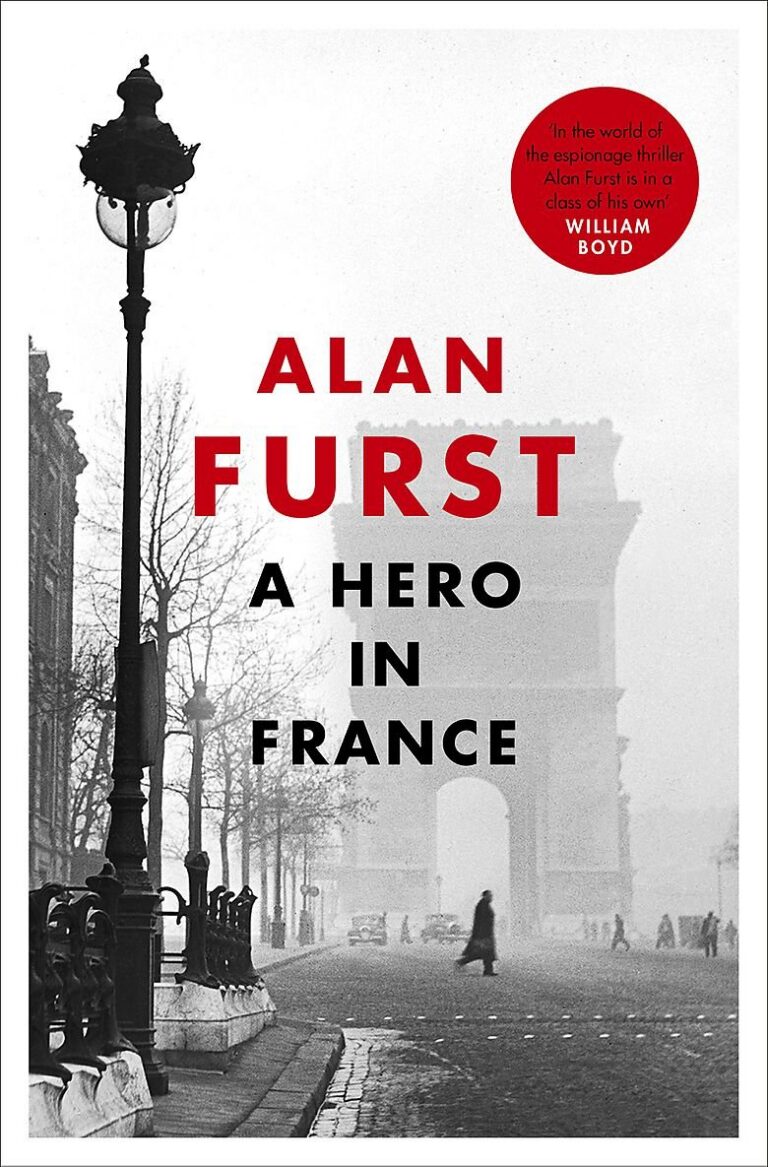
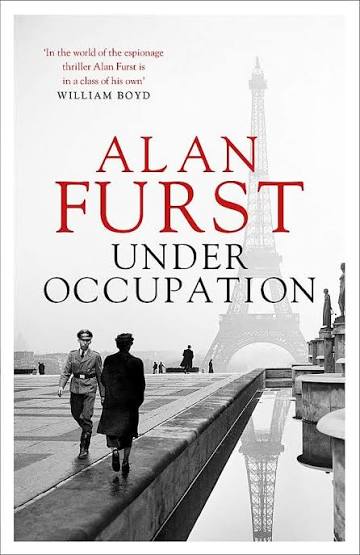
Interwar novels and series often use the period's unease: old empires breaking apart, jazz-age wealth, political extremism, espionage and the approach of another war. Alan Furst's spy novels, Jacqueline Winspear's Maisie Dobbs series, Philip Kerr’s Bernie Gunther novels and novels by Kate Atkinson or Amor Towles fit naturally beside classic interwar crime and social fiction. The setting is especially useful for readers moving from World War I aftermath into fascism, exile, detective fiction and pre-war intelligence stories.

Related people for Rise of Fascism

Series

Series about Rise of Fascism (1 series)

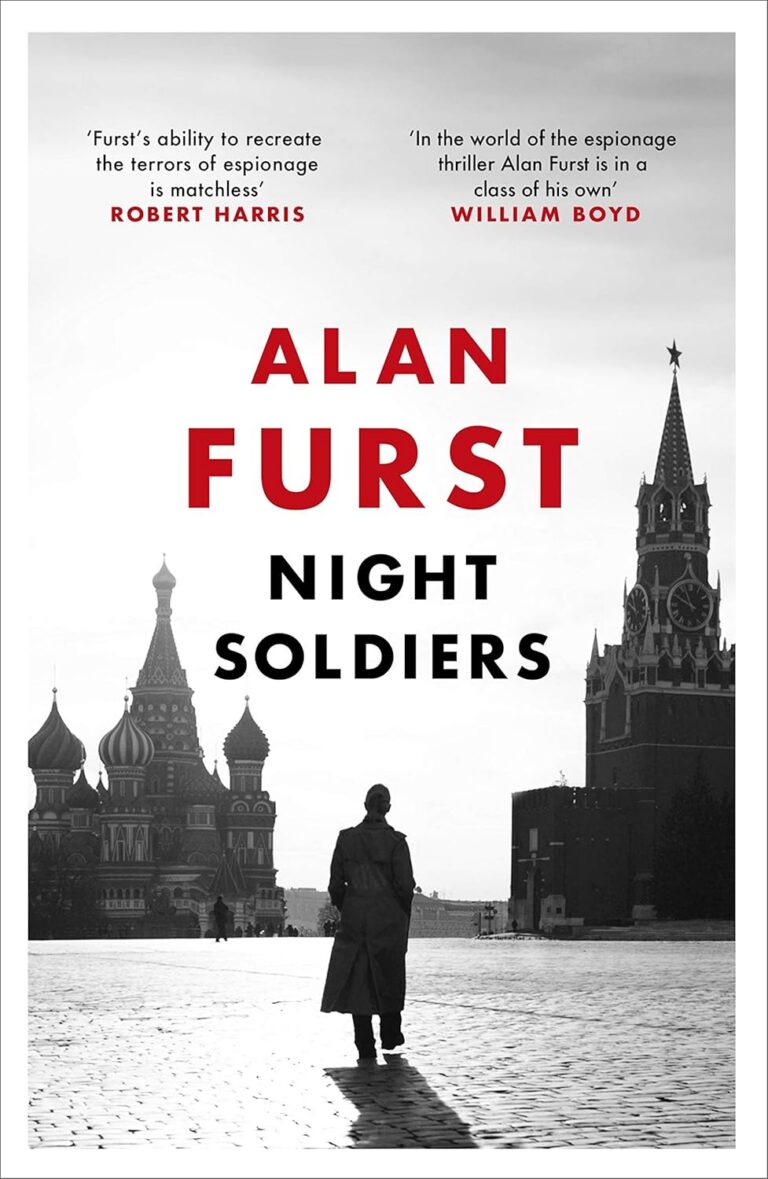
Night Soldiers in Order

by Alan Furst 15 books

The Night Soldiers cycle comprises fifteen loosely connected historical espionage novels set across Europe from 1934 into the Second World War. Beginning with the rise of fascism and Stalinism, the books move through the Spanish Civil War, the diplomatic crises of the late 1930s, the invasions of Poland…
Books

8 Best Novels About the Rise of Fascism

Bestselling authors first, then star rating.