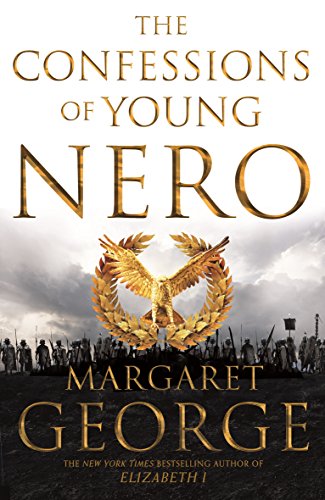
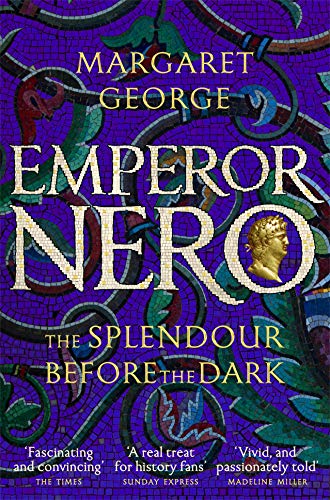
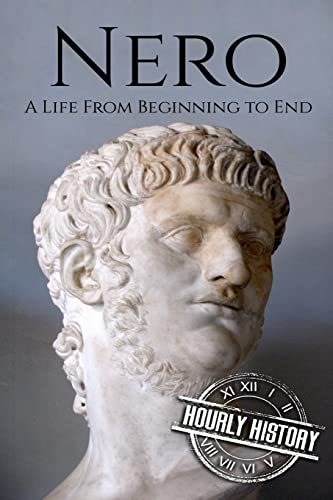
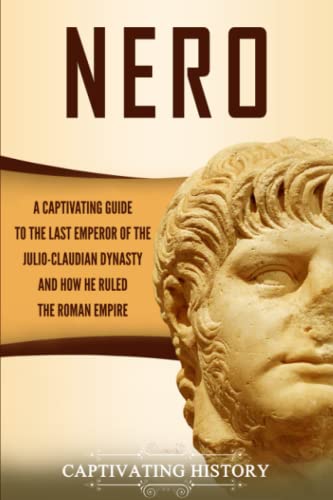
Nero became Roman emperor in AD 54 at the age of sixteen. His early government relied on Seneca, Burrus and his mother Agrippina, but he later asserted personal control, ordered killings within the dynasty and cultivated performance and spectacle.
The Great Fire of Rome in 64 led to rebuilding and the persecution of Christians. Revolts by provincial governors and loss of military support forced Nero to flee and take his own life in AD 68. Nero was born in Antium and died in Rome.
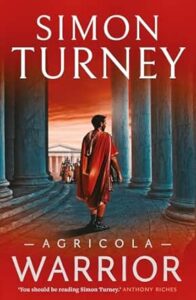
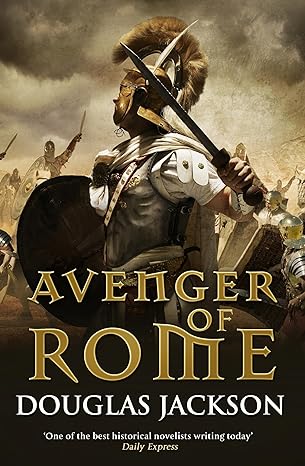
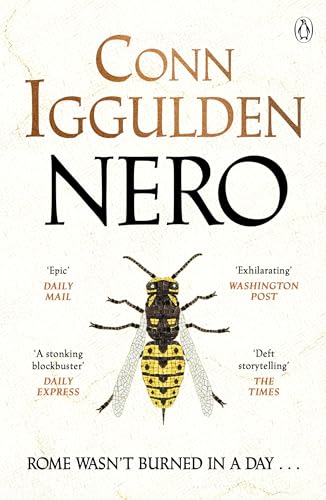
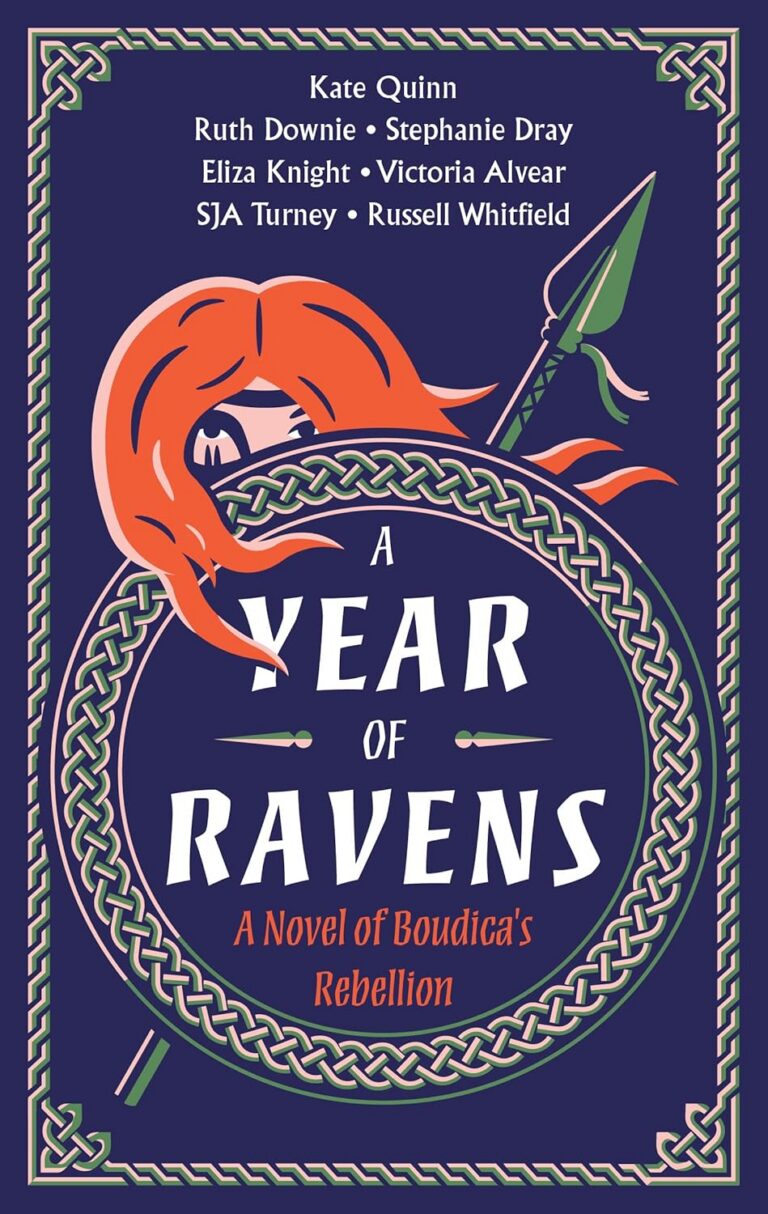
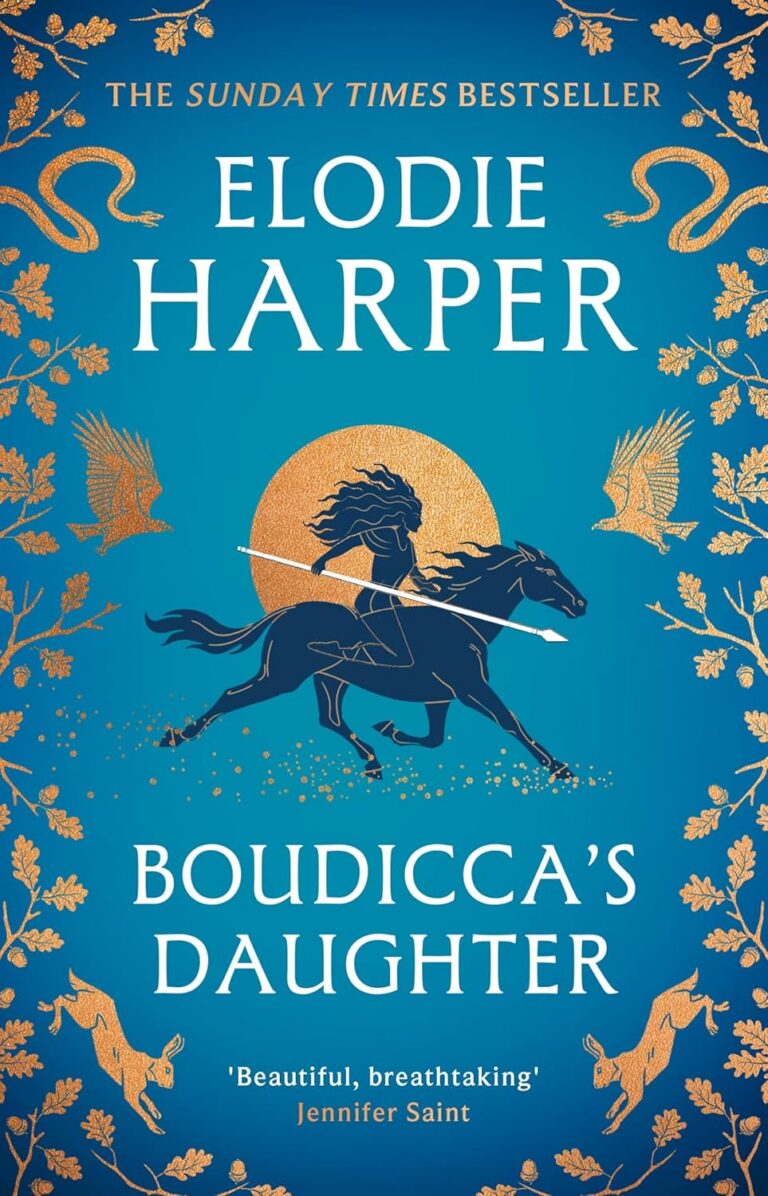
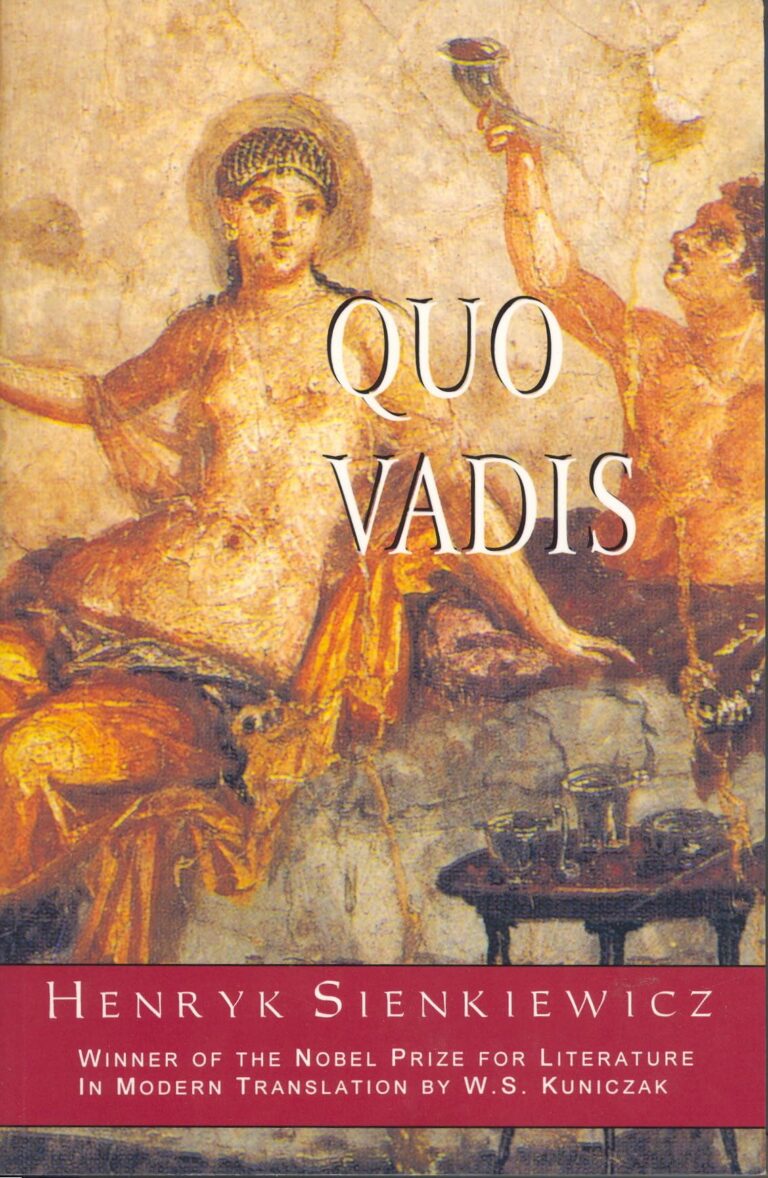
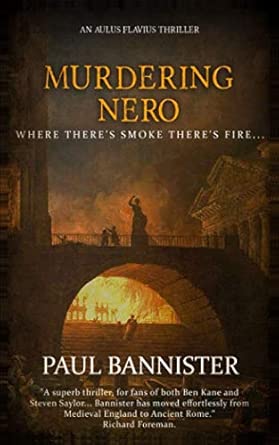
Mary Beard’s Confronting the Classics ranges from Greek drama, Roman humour and the palace at Knossos to Alexander the Great, Cleopatra, Nero, Boudica and the lives of enslaved people. In Seneca’s Letters from a Stoic, written from within the Roman imperial elite, the letters are shaped by Seneca’s own complicated relationship with wealth and political authority. He had served as adviser to Nero and accumulated considerable status before withdrawing from public life under increasingly dangerous circumstances. Nero is treated fictionally in Conn Iggulden’s Nero, Simon Turney’s Agricola: Warrior, Douglas Jackson’s Avenger of Rome, and G. A. Henty’s Beric the Briton.