
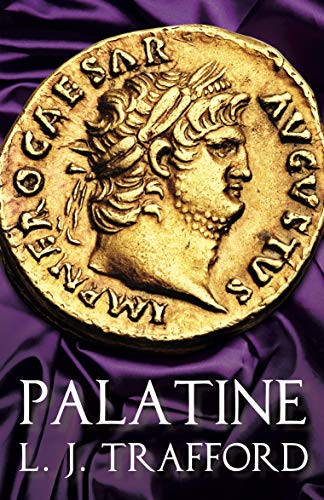
1. Palatine
Rome, AD 68. Nero withdraws into music, spectacle and the pleasures of the imperial palace while rebellion spreads through the provinces. His secretary Epaphroditus keeps government functioning with the help of the young freedman Philo, but the palace household is divided by fear, ambition and abuse.…
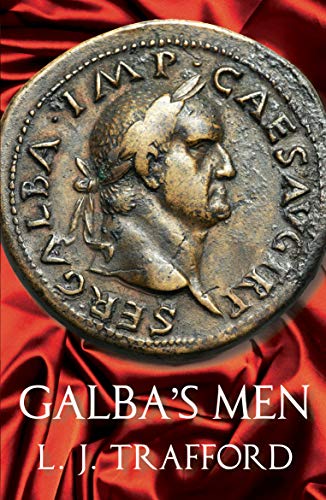
2. Galba’s Men
Rome, AD 68. Galba enters the capital after violence at its gates and attempts to repair the finances, discipline and authority damaged under Nero. His government depends on Titus Vinius, Cornelius Laco and the freedman Icelus, whose influence makes them targets for petitioners and rivals. Marcus…
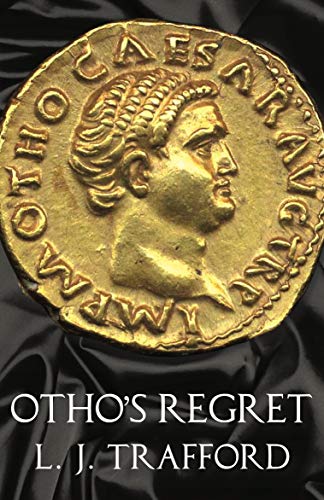
3. Otho’s Regret
Rome, AD 69. Otho has seized the throne through a bloody coup only to learn that the Rhine legions have already proclaimed Aulus Vitellius emperor. The generals Fabius Valens and Aulus Caecina Alienus march enormous armies towards Italy while Otho tries to transform the conspirators, palace…
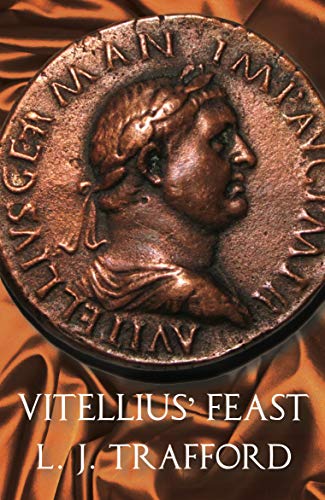
4. Vitellius’ Feast
Rome, AD 69. Vitellius occupies the imperial palace and treats victory as permission for appetite, humiliation and revenge. His agents watch the capital while the court’s servants and freedmen attempt to survive another change of master. Sporus is commanded to perform a degrading public role that…