Vitellius was one of the four Roman emperors who ruled during the civil war of AD 69. Proclaimed by the Rhine armies, he defeated Otho’s forces and entered Rome, but his regime was soon challenged by Vespasian’s supporters.
Before the civil wars of 69, Vitellius had held a series of high offices, including the consulship and a governorship in Africa, and Galba appointed him commander of the army in Lower Germany. The Rhine legions proclaimed him emperor at the beginning of 69, and his generals defeated Otho at the First Battle of Bedriacum. Vitellius’ authority, however, rested heavily on those western armies; when eastern legions declared for Vespasian, his forces were defeated, Rome was taken after street fighting and Vitellius was killed in December.
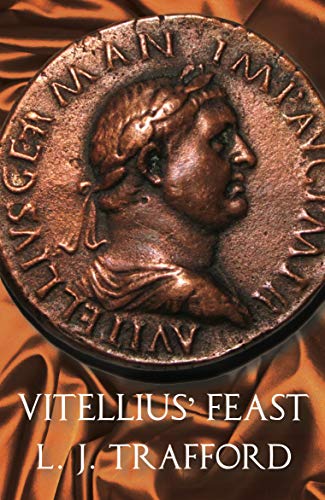
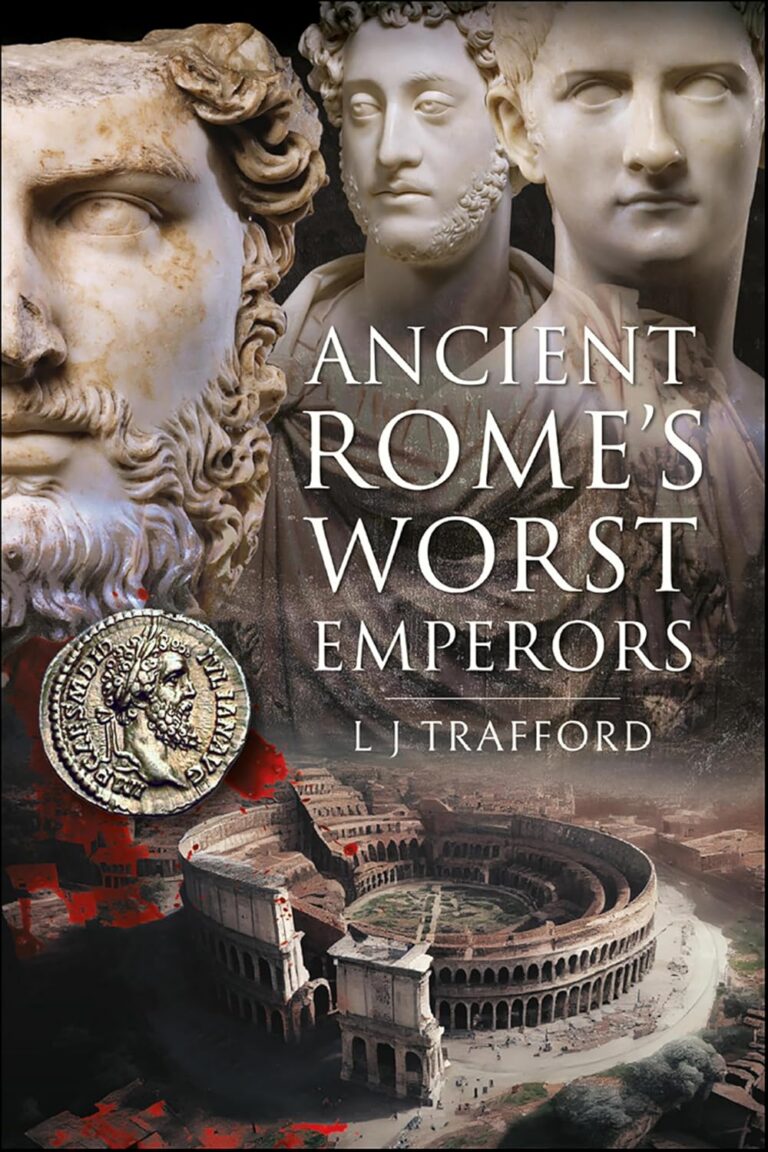
In L. J. Trafford’s Ancient Rome’s Worst Emperors, the selected cases include notorious figures such as Caligula, Commodus and Elagabalus alongside less predictable choices including Galba, Vitellius, Nerva, Gordian I and Valentinian II. Ancient histories, senatorial hostility and posthumous propaganda are tested rather than accepted at face value. In Douglas Jackson’s Enemy of Rome, after Otho’s defeat in AD 69, Gaius Valerius Verrens is condemned as a deserter and prepared for execution. His life is spared on condition that he support Vespasian, whose eastern legions have declared him emperor against Vitellius. Vitellius is treated fictionally in L. J. Trafford’s Otho’s Regret, M.C. Scott’s Rome: The Art of War, Douglas Jackson’s Sword of Rome, L. J. Trafford’s Vitellius’ Feast, and Kate Quinn’s Daughters of Rome.