Historical person
Elagabalus
203–222
Elagabalus, born Varius Avitus Bassianus, was Roman emperor from 218 to 222 and a hereditary priest of the Syrian sun god Elagabal at Emesa. He was elevated as a teenager after a revolt organised by his grandmother Julia Maesa against the emperor Macrinus, and he ruled under the imperial name Marcus Aurelius Antoninus. Once in Rome he gave exceptional prominence to his native cult, bringing the sacred stone of Elagabal to the capital and attempting to place the god above traditional Roman religious hierarchies.
Ancient senatorial writers portray Elagabalus as extravagant, sexually transgressive and hostile to Roman custom, but their accounts were written to condemn a deposed ruler and contain stories that cannot be accepted uncritically. His unconventional marriages, including one to the Vestal Virgin Aquilia Severa, and the elevation of his religious practices nevertheless created genuine political offence. Maesa eventually shifted support to his cousin Severus Alexander. In 222 the Praetorian Guard killed Elagabalus and his mother Julia Soaemias and proclaimed Alexander emperor.
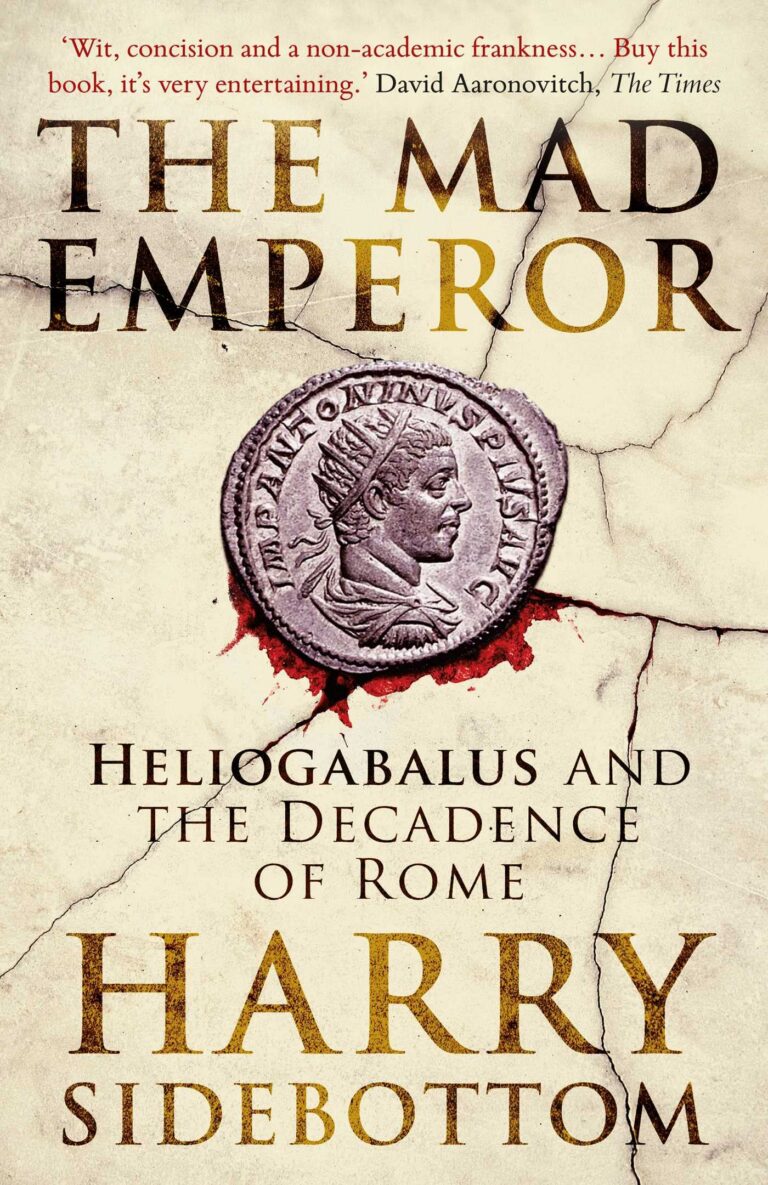
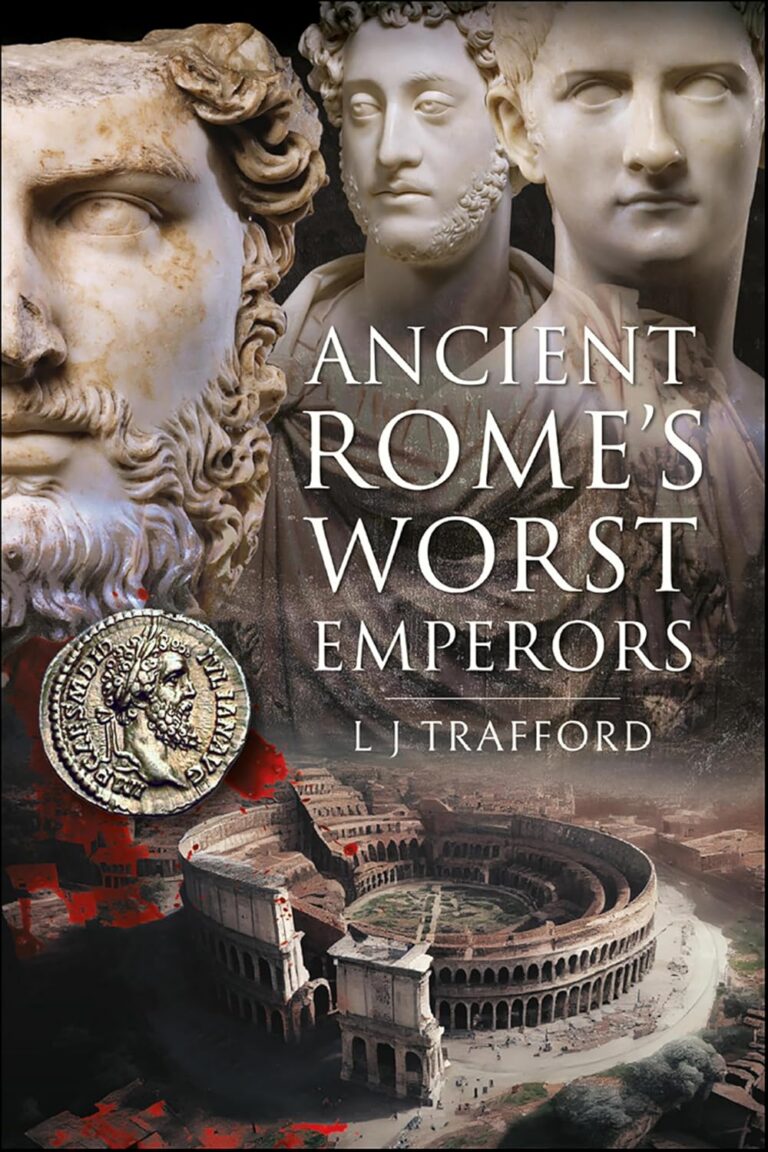
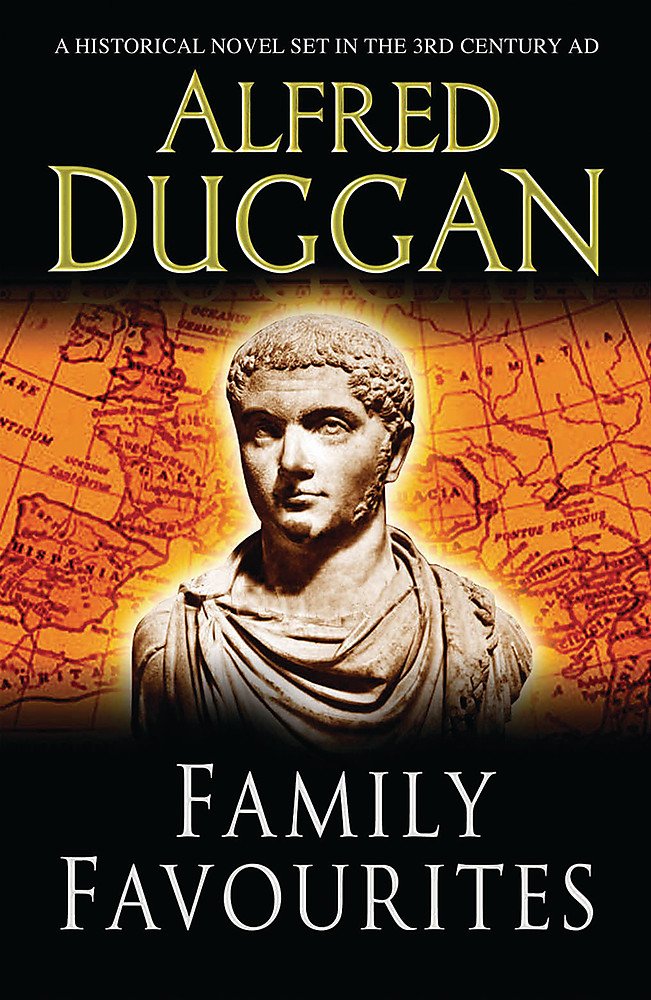
In L. J. Trafford’s Ancient Rome’s Worst Emperors, the selected cases include notorious figures such as Caligula, Commodus and Elagabalus alongside less predictable choices including Galba, Vitellius, Nerva, Gordian I and Valentinian II. Ancient histories, senatorial hostility and posthumous propaganda are tested rather than accepted at face value. Harry Sidebottom’s The Mad Emperor re-examines Elagabalus, the Syrian teenager who became Roman emperor in AD 218 and was murdered four years later. In Alfred Duggan’s Family Favourites, the teenage Syrian priest Varius Avitus is proclaimed emperor after his family and supporters overthrow Macrinus. Taking the name Elagabalus, he brings the cult of his sun god to Rome and discovers that military loyalty, dynastic influence and religious authority do not translate easily into stable government. Observed from within the imperial household and army, his reign becomes a contest between the emperor’s determination to remake Roman public life and the efforts of his formidable relatives to preserve the dynasty.
Standalone books
Standalone books featuring Elagabalus (1 book)
Non Fiction
Non Fiction featuring Elagabalus (2 books)
Biographies, histories and other non-fiction are listed separately from the historical novels above.