Caracalla was Roman emperor from AD 198 to 217, ruling first with his father Septimius Severus and brother Geta before becoming sole ruler. He is remembered for the Constitutio Antoniniana, which extended Roman citizenship widely across the empire, and for a violent, militarised reign.
Caracalla was born in Lugdunum and died in Haran. Caracalla also held the offices or ranks of Augustus and Roman consul. Caracalla belonged to the Severan dynasty and operated within Ancient Rome.
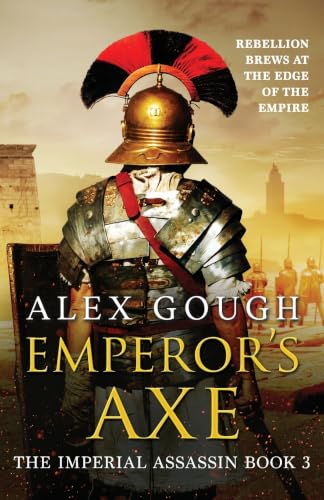
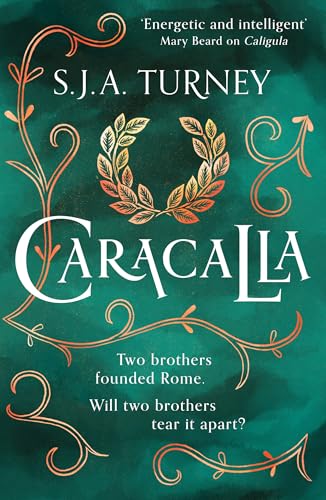
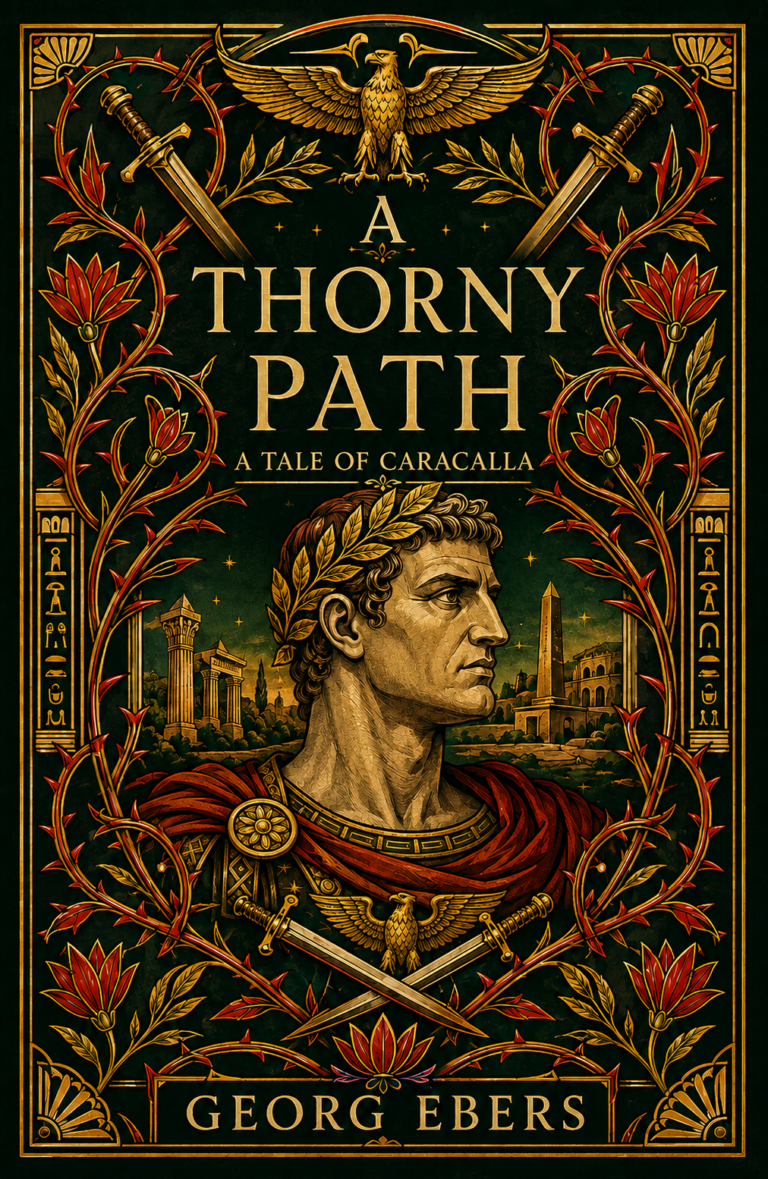
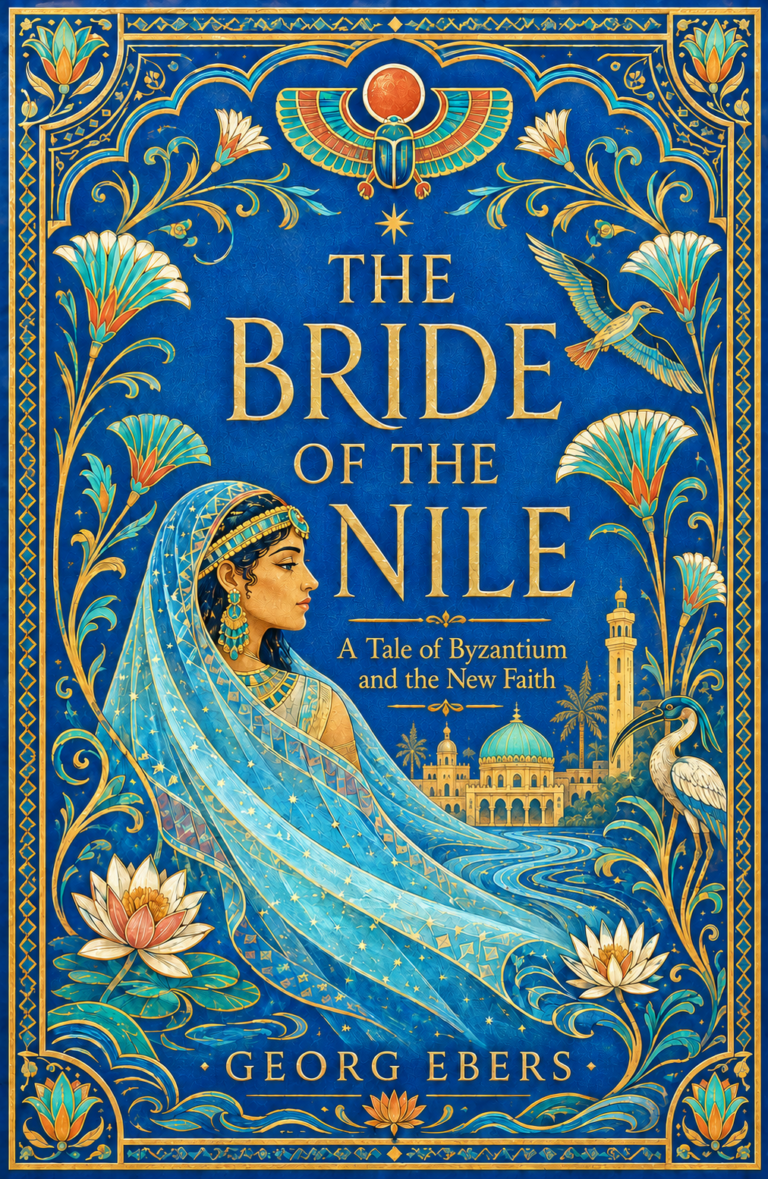
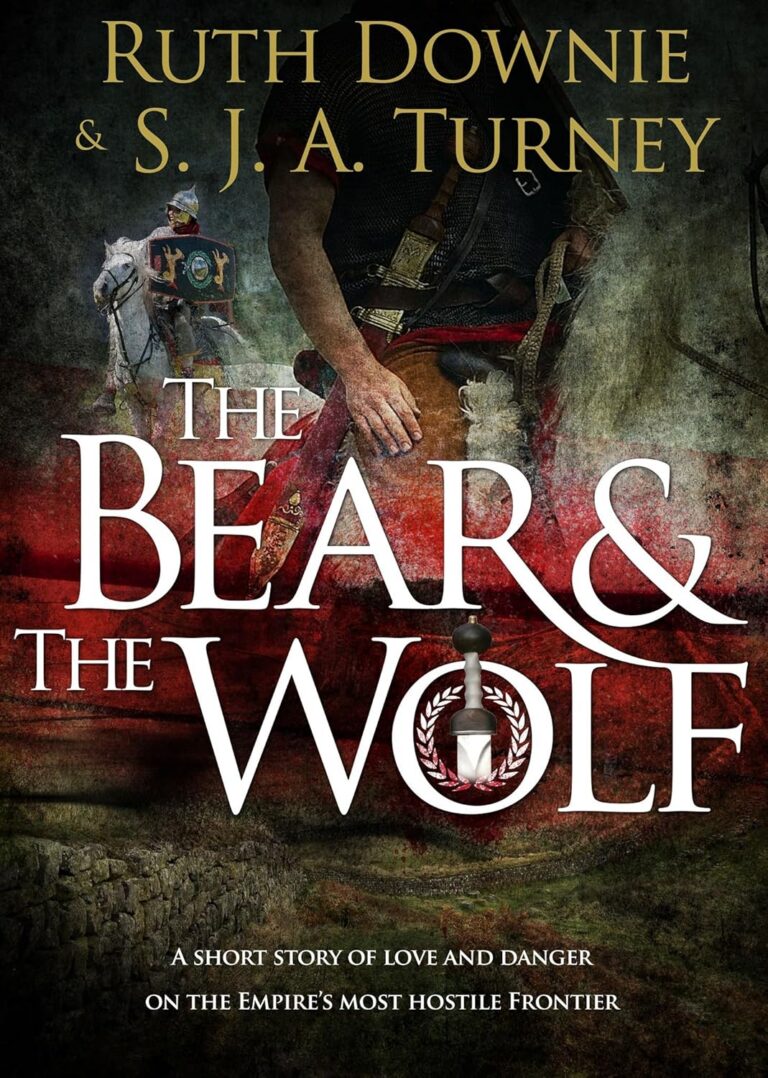
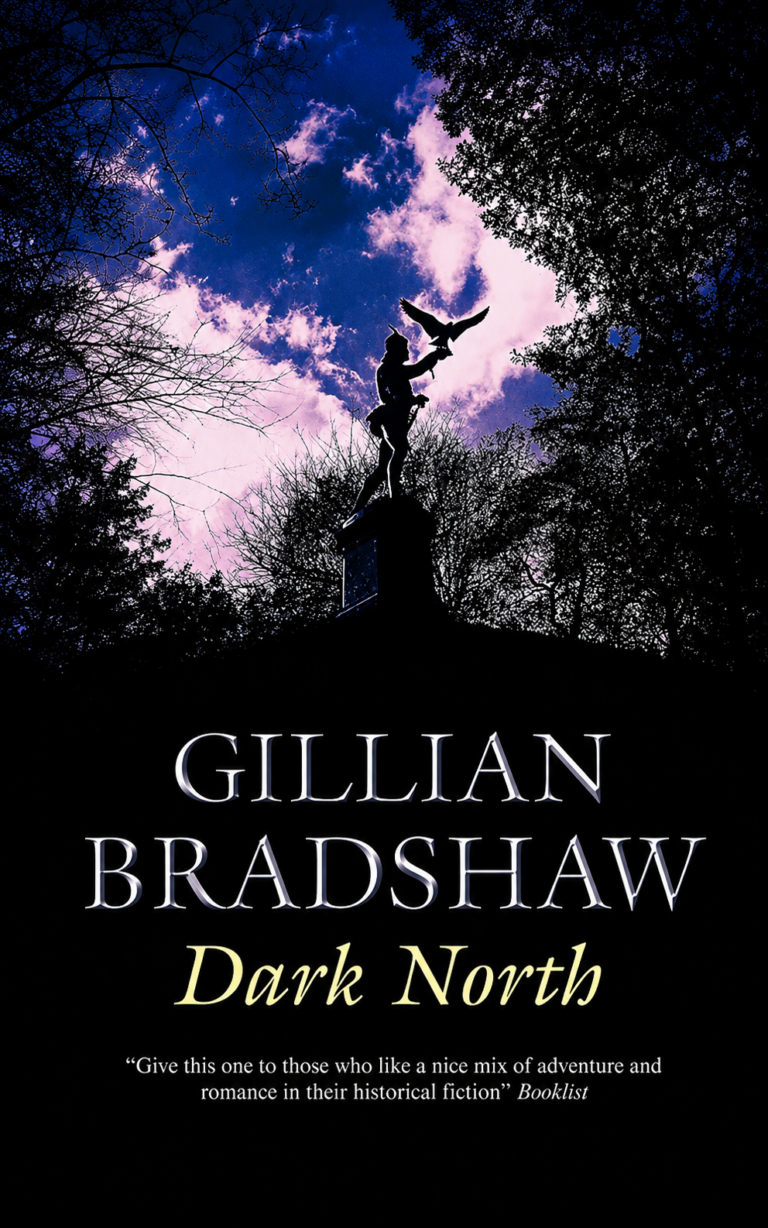
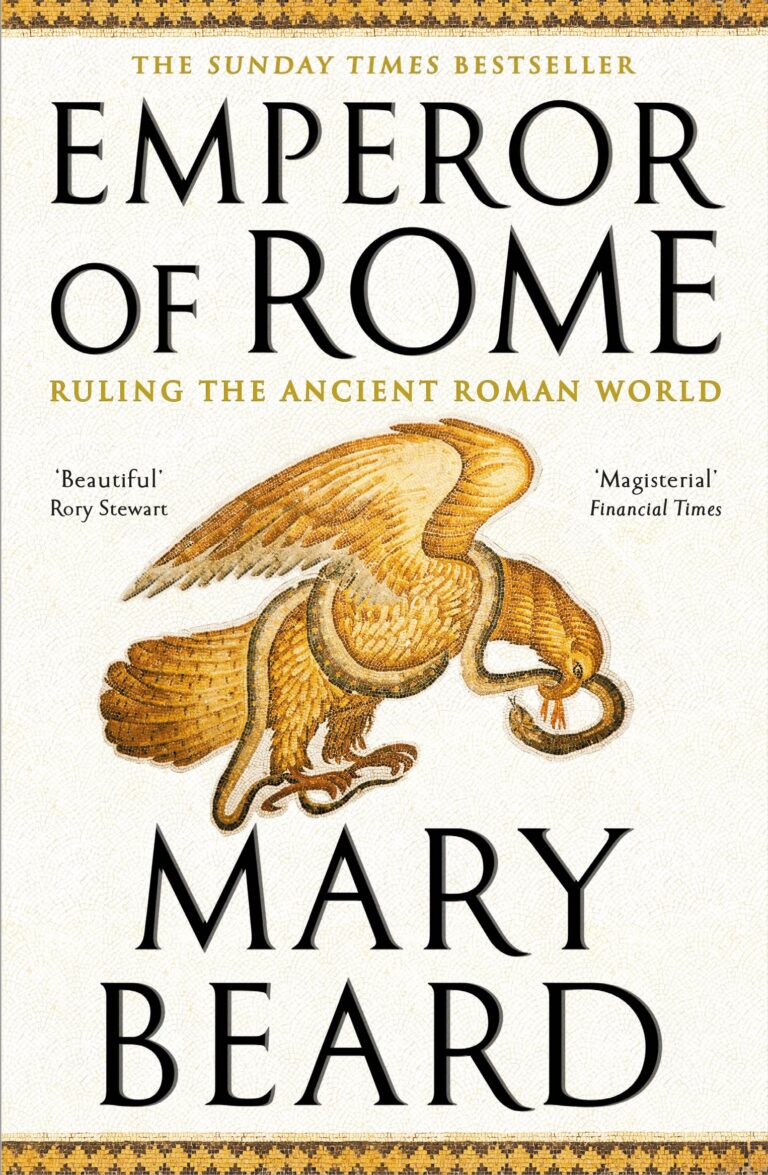
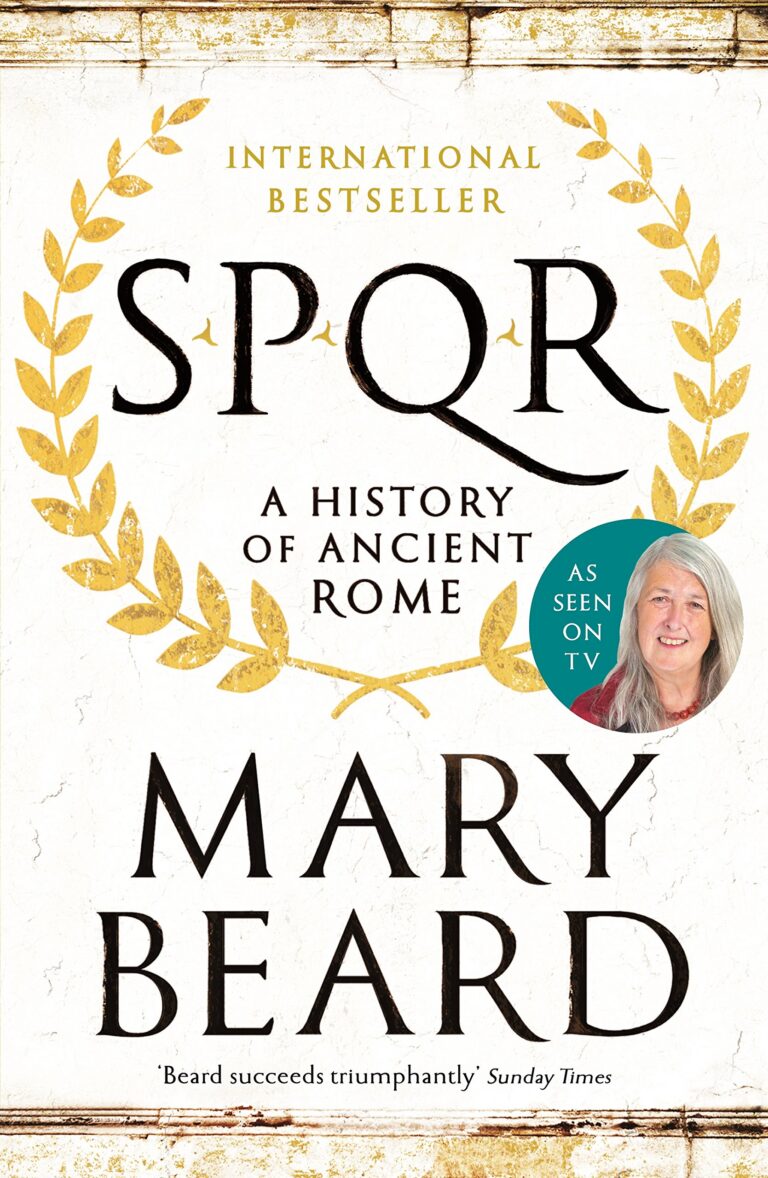
Georg Ebers’s A Thorny Path places Caracalla in Alexandria, where the emperor’s resentment of ridicule turns courtly proximity into the threat of collective punishment. Simon Turney’s Caracalla follows the violent imperial politics of his reign more directly, using the rivalry with Geta and the emperor’s military ambitions to frame the danger faced by those around him. Gillian Bradshaw’s Dark North approaches Caracalla through soldiers on campaign, showing how imperial decisions reach the army at the edge of the Roman world. Alex Gough’s Emperor’s Axe and Emperor’s Fate carry their protagonists through the emperor’s eastern wars and the instability surrounding his final campaigns. Mary Beard’s Spqr sets the reign in longer perspective, ending its history of Roman citizenship with Caracalla’s grant of citizenship to almost all free inhabitants of the empire in 212.