Publius Septimius Geta was a Roman emperor of the Severan dynasty and the younger son of Septimius Severus and Julia Domna. Born in 189, he was raised alongside his elder brother Caracalla within an imperial household that carefully advertised dynastic unity. Geta accompanied the family on campaigns and received increasingly elevated titles, eventually becoming Augustus in 209 while Severus was campaigning in Britain.
When Septimius Severus died at York in 211, Geta and Caracalla inherited the empire jointly, but their relationship was openly hostile. Ancient accounts describe a court divided between their supporters and even plans to partition imperial territory. Before any durable settlement emerged, Caracalla arranged Geta’s murder in their mother’s presence in December 211. Geta’s supporters were purged, and his name and images were subjected to an official damnatio memoriae.
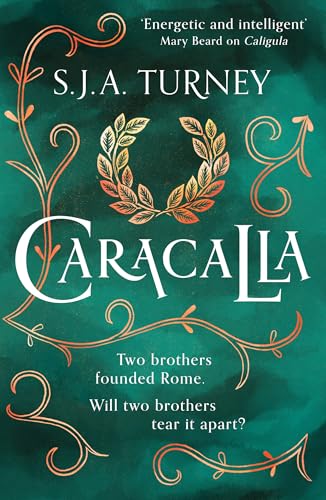
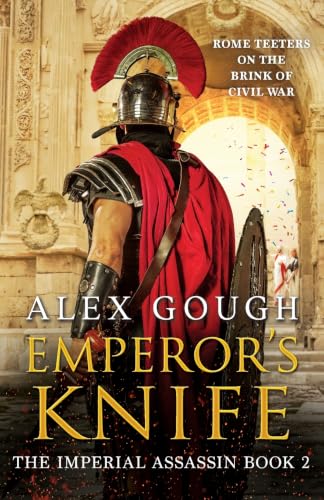
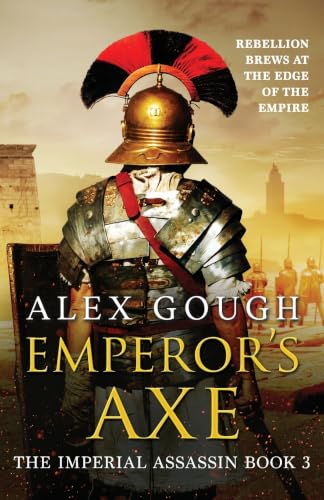
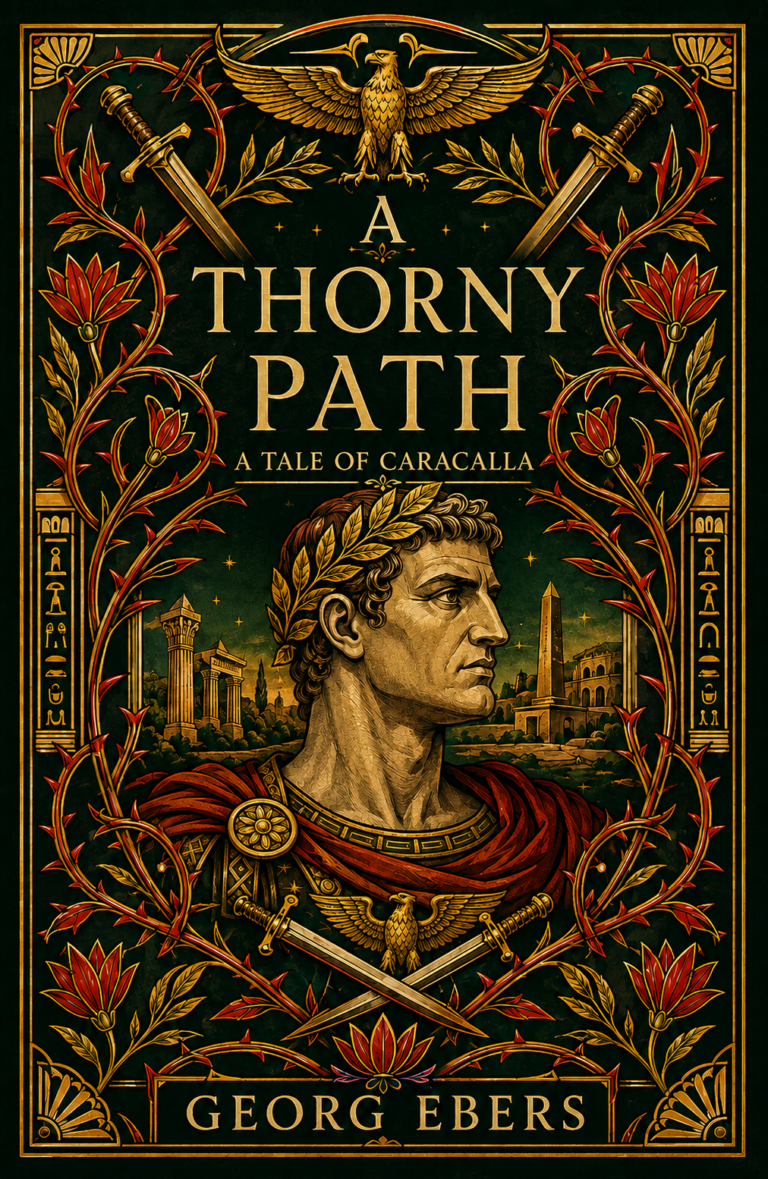
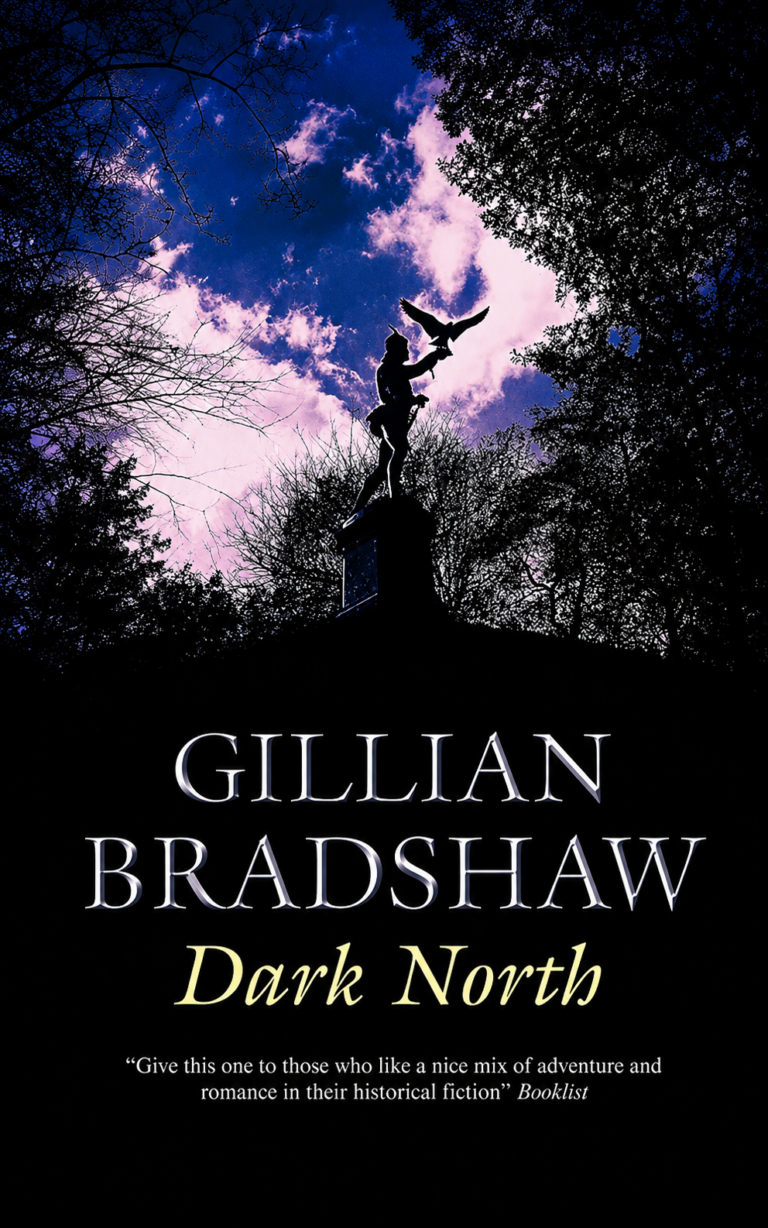
Simon Turney’s Caracalla makes Geta the rival brother with whom Caracalla is expected to share the empire, showing how dynastic competition turns co-rule into a lethal contest. Georg Ebers’ A Thorny Path is set after the murder, so Geta survives there as the victim whose fate exposes the danger of imperial arbitrariness. Gillian Bradshaw’s Dark North brings the brothers’ rivalry into Severus’s Caledonian campaign, where soldiers must navigate court politics as well as warfare. Alex Gough’s Emperor’s Knife follows the death of Septimius Severus and the collapse of the attempted joint succession. Emperor’s Axe moves into the aftermath, when Caracalla’s regime hunts men suspected of sympathy with the murdered Geta and turns a family crime into a wider political purge.