Galba was governor of Hispania Tarraconensis when he rebelled against Nero in AD 68 and was recognised as emperor after Nero’s death. At about seventy he had long administrative and military experience, but his refusal to pay the Praetorian Guard’s expected reward and his severe financial measures quickly undermined support. When he adopted Piso Licinianus as heir rather than Otho, Otho organised a coup. Galba was killed in the Roman Forum in January 69.
Galba appears in Robert Fabbri’s Vespasian series and in other historical novels about the Year of the Four Emperors. Fiction often presents him as personally austere but politically blind, a ruler who mistook old-fashioned severity for authority. The rapid collapse of his reign allows novelists to show how imperial legitimacy depended on money, military loyalty and control of information as much as senatorial approval.
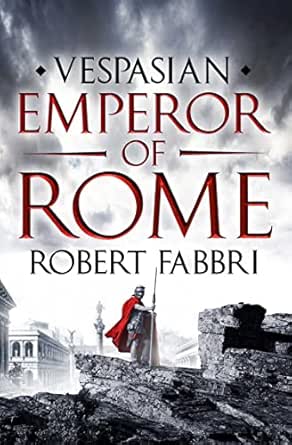
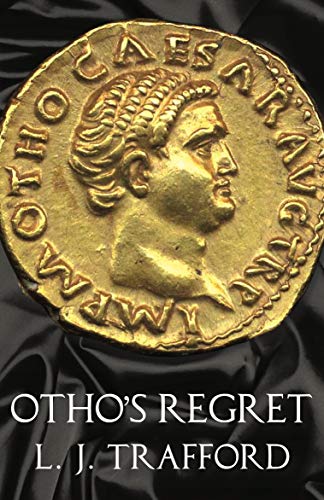
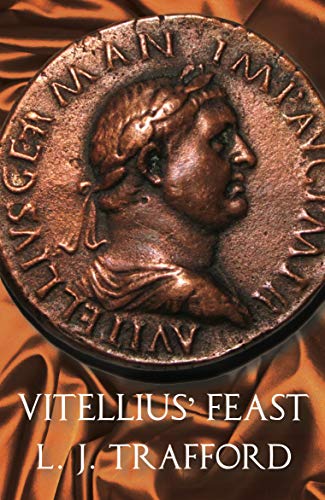
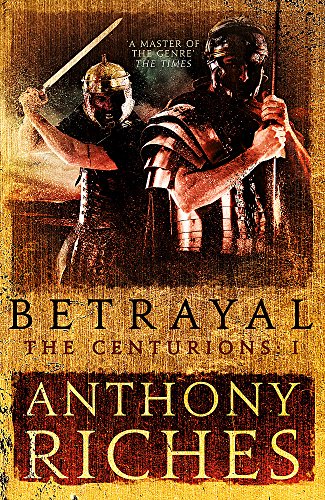
In Anthony Riches’s Betrayal, Nero’s suicide ends the Julio-Claudian dynasty, and Galba inherits an empire whose armies are not united behind him. In M.C. Scott’s Rome: The Art of War, Rome in AD 69 has already recognised Galba, Otho and Vitellius as emperors, while Vespasian is proclaimed in the eastern provinces. Other novels featuring Galba include L. J. Trafford’s Galba’s Men, Conn Iggulden’s Inferno, Robert Fabbri’s Emperor of Rome, L. J. Trafford’s Palatine, and Margaret George’s Emperor Nero.
In non-fiction, Galba is discussed in L. J. Trafford’s Ancient Rome’s Worst Emperors and Mary Beard’s Twelve Caesars. In L. J. Trafford’s Ancient Rome’s Worst Emperors, the selected cases include notorious figures such as Caligula, Commodus and Elagabalus alongside less predictable choices including Galba, Vitellius, Nerva, Gordian I and Valentinian II.