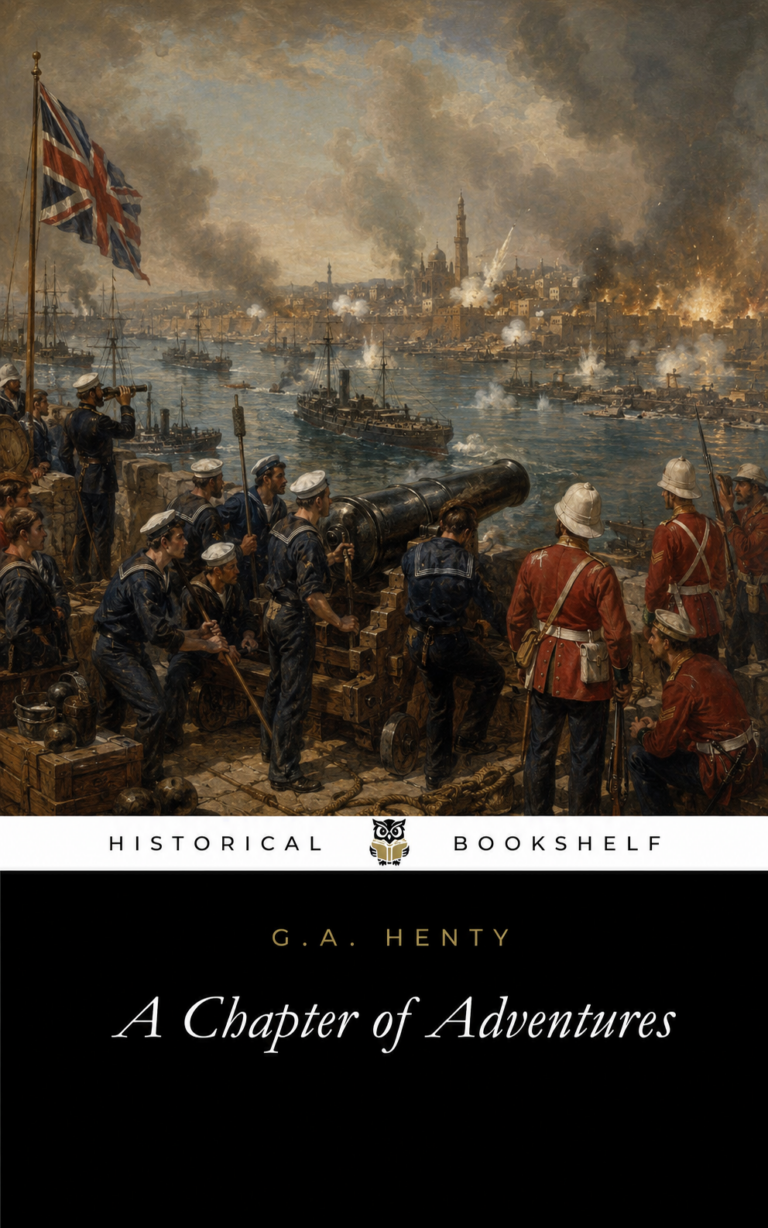
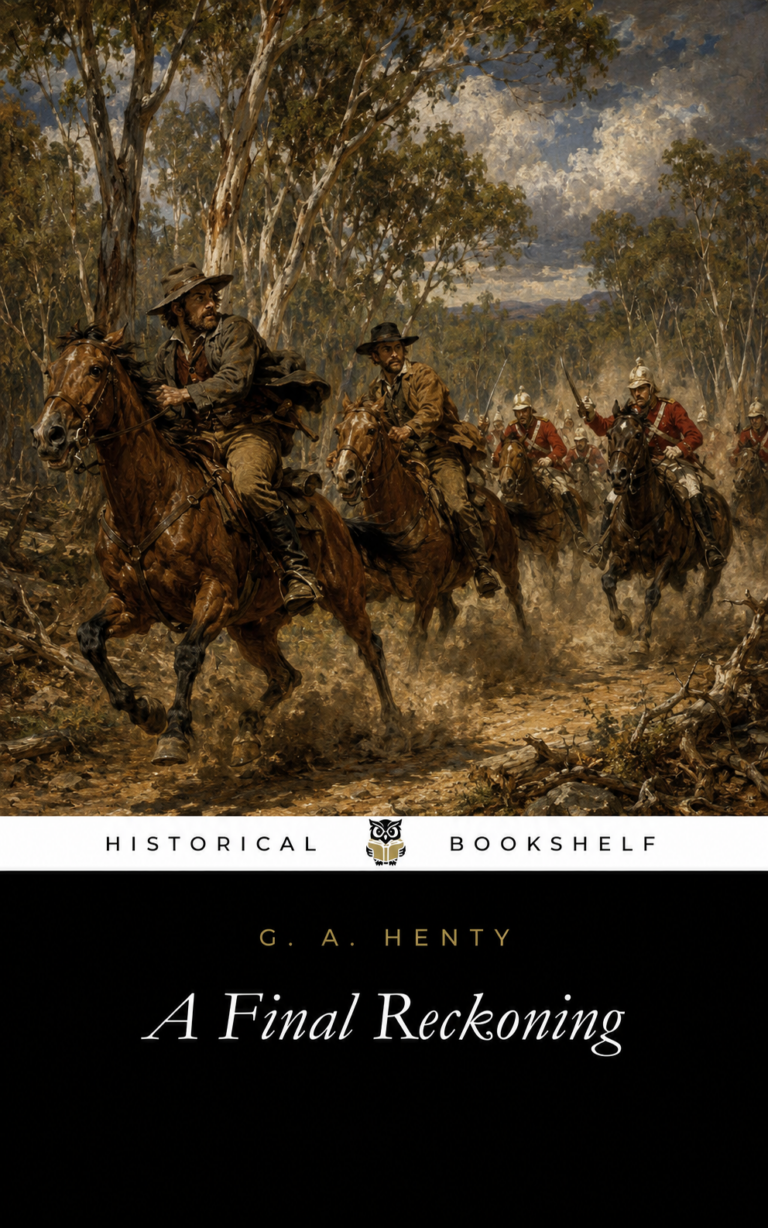
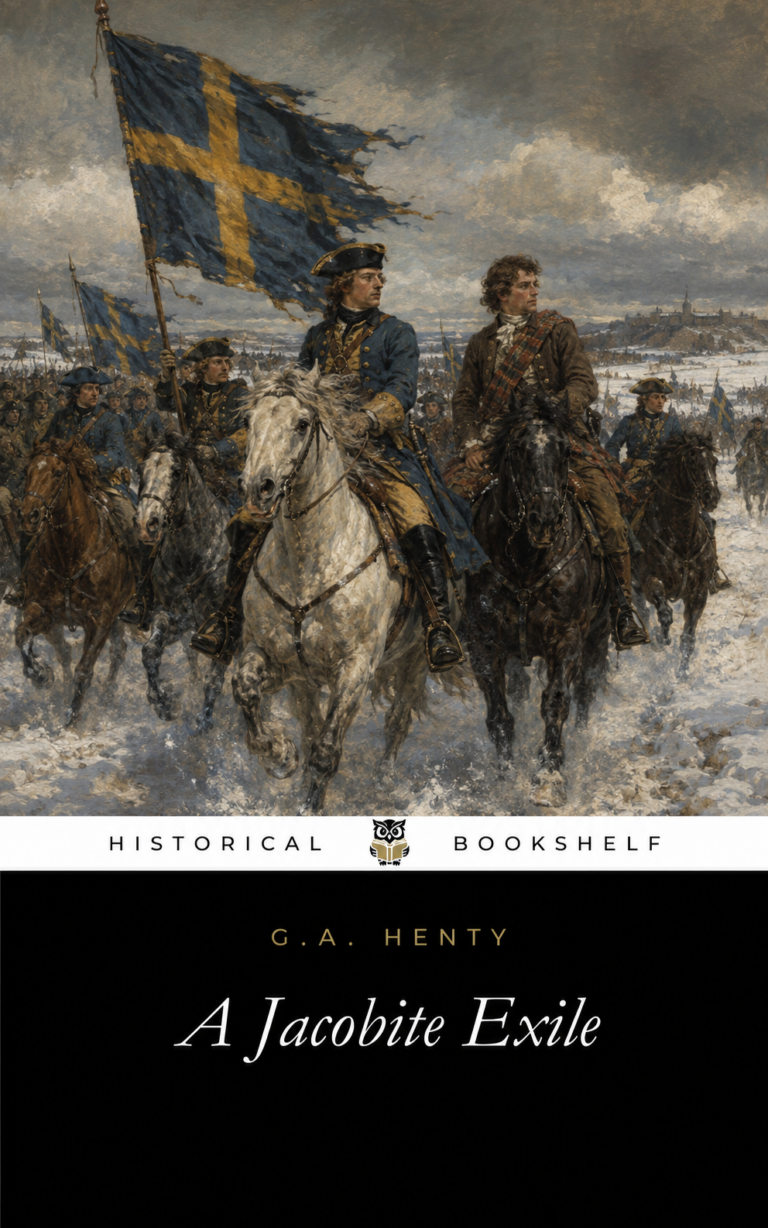
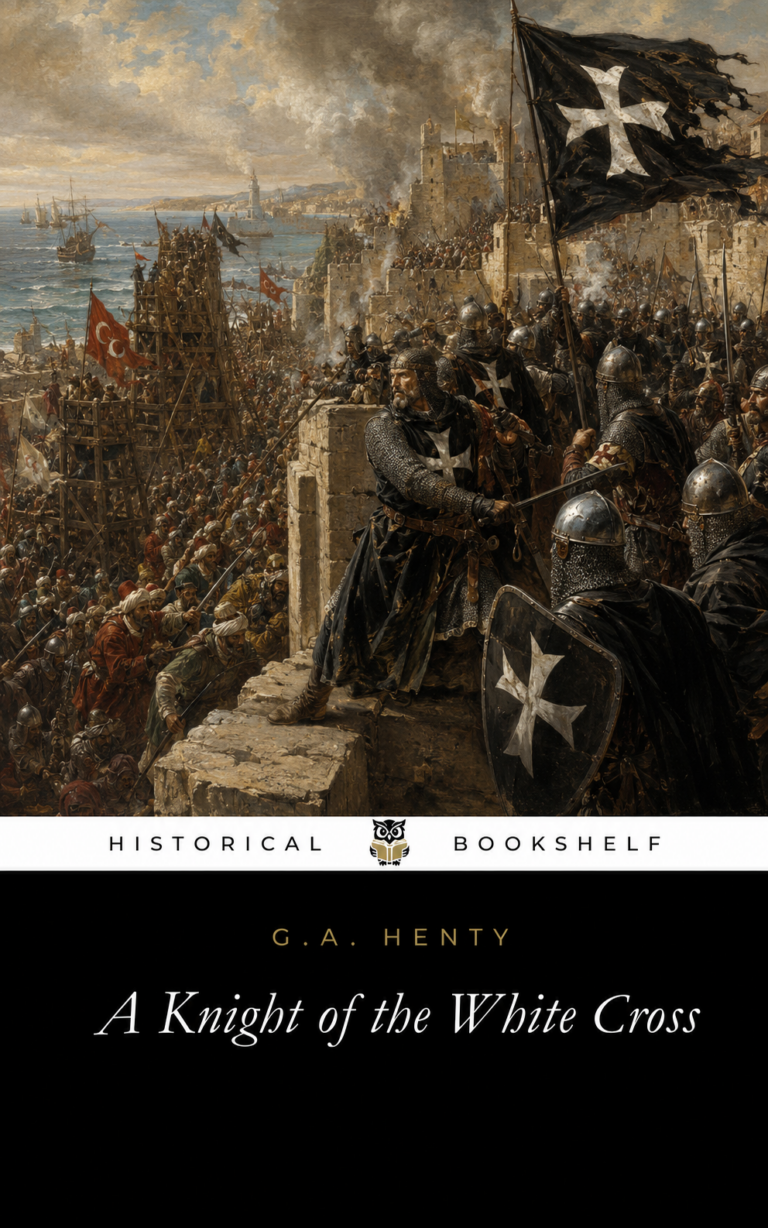
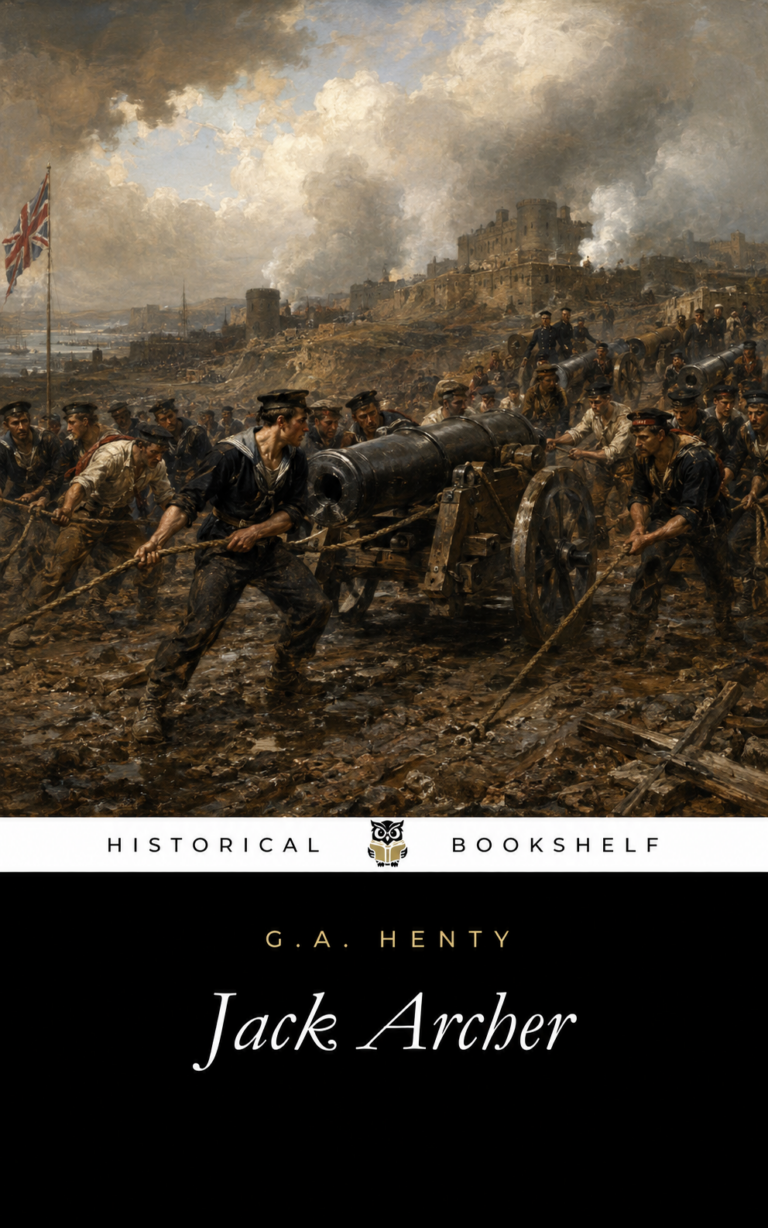
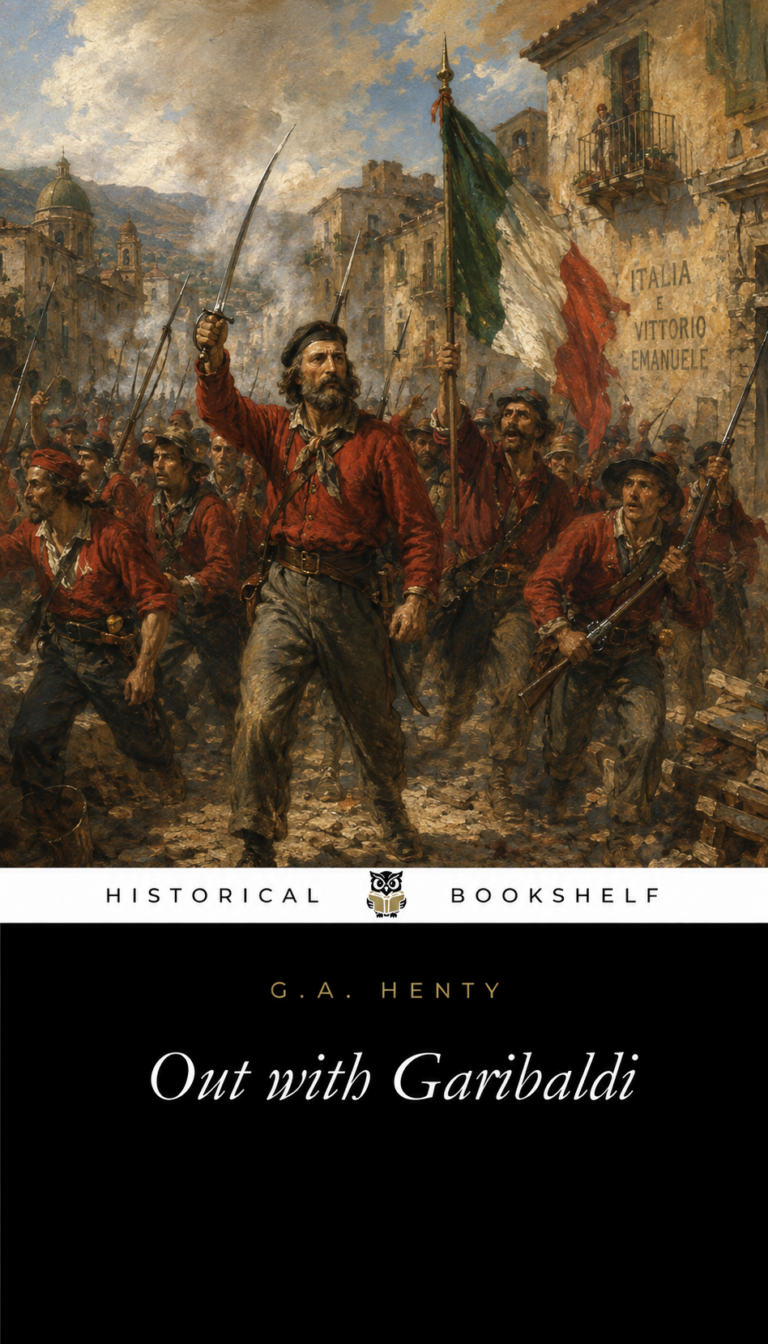
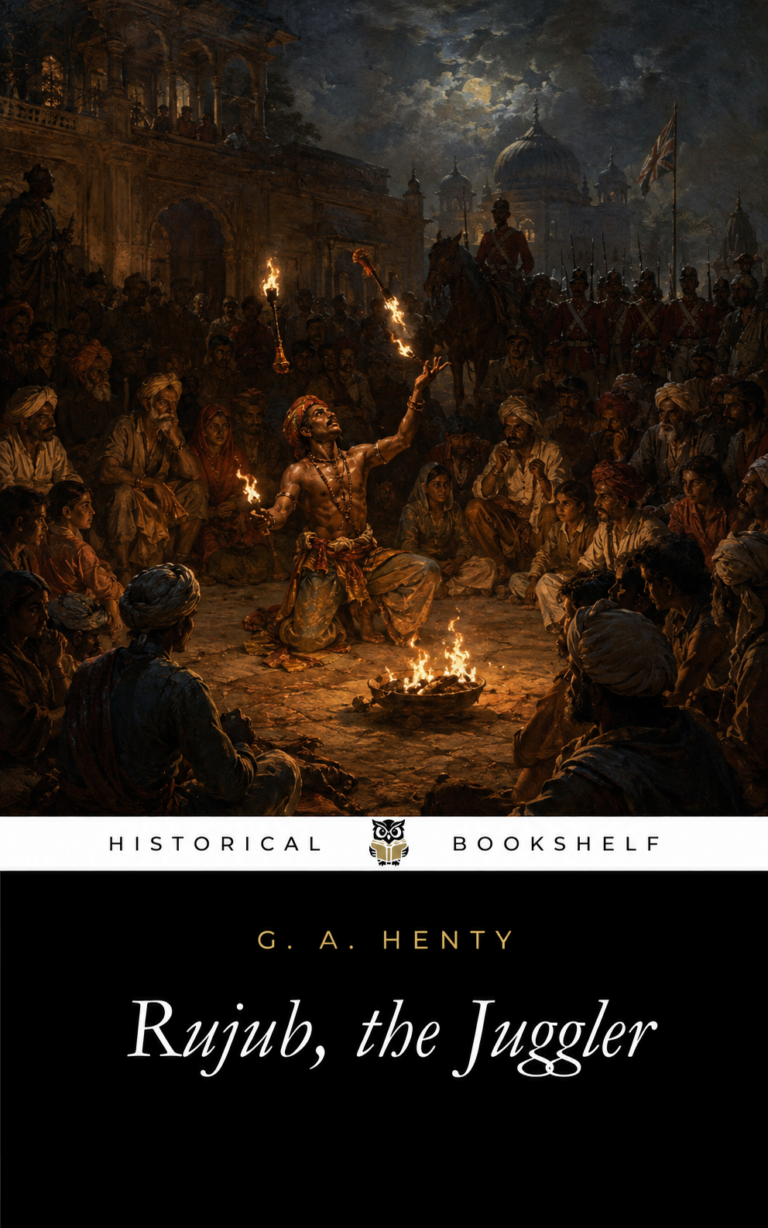
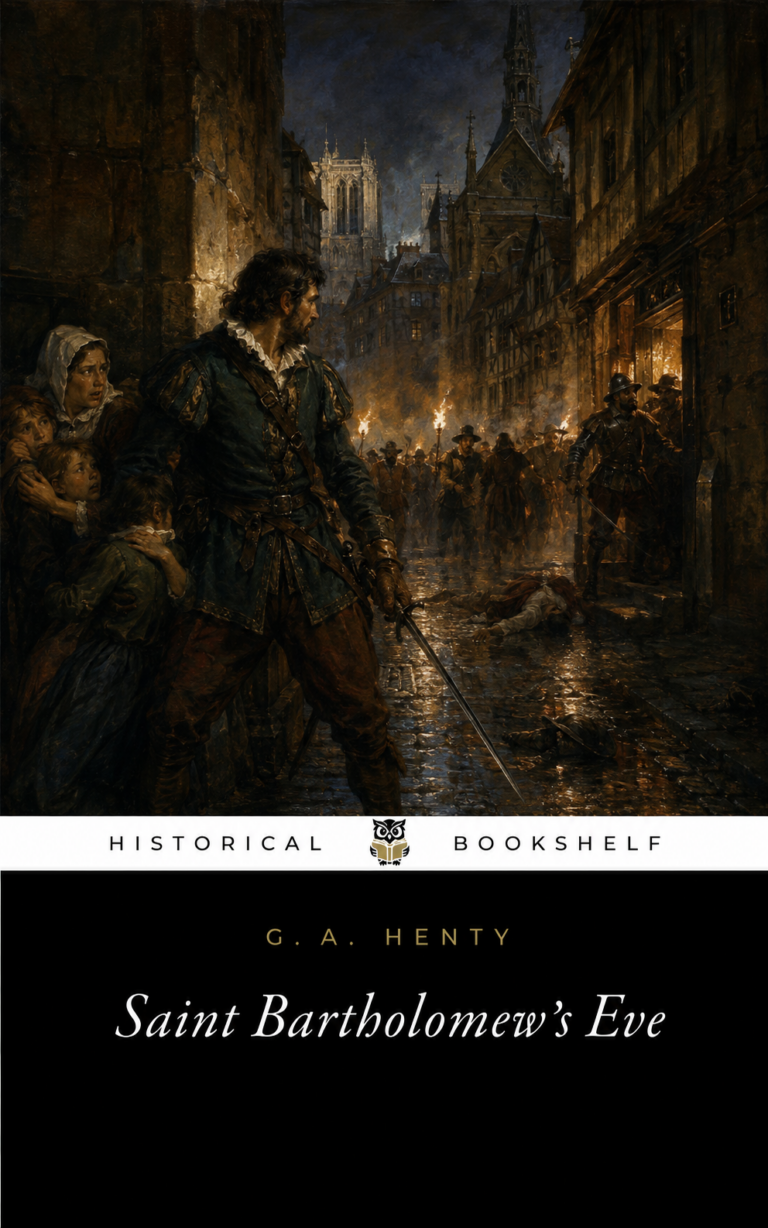
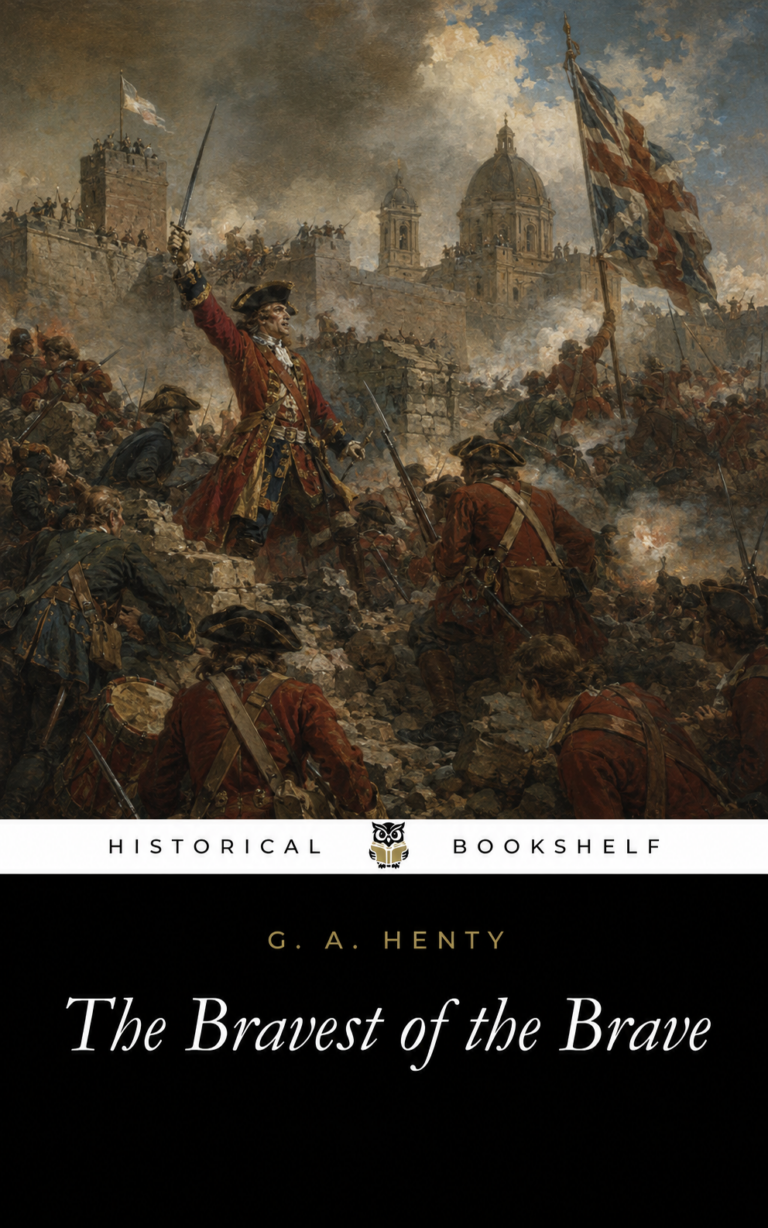
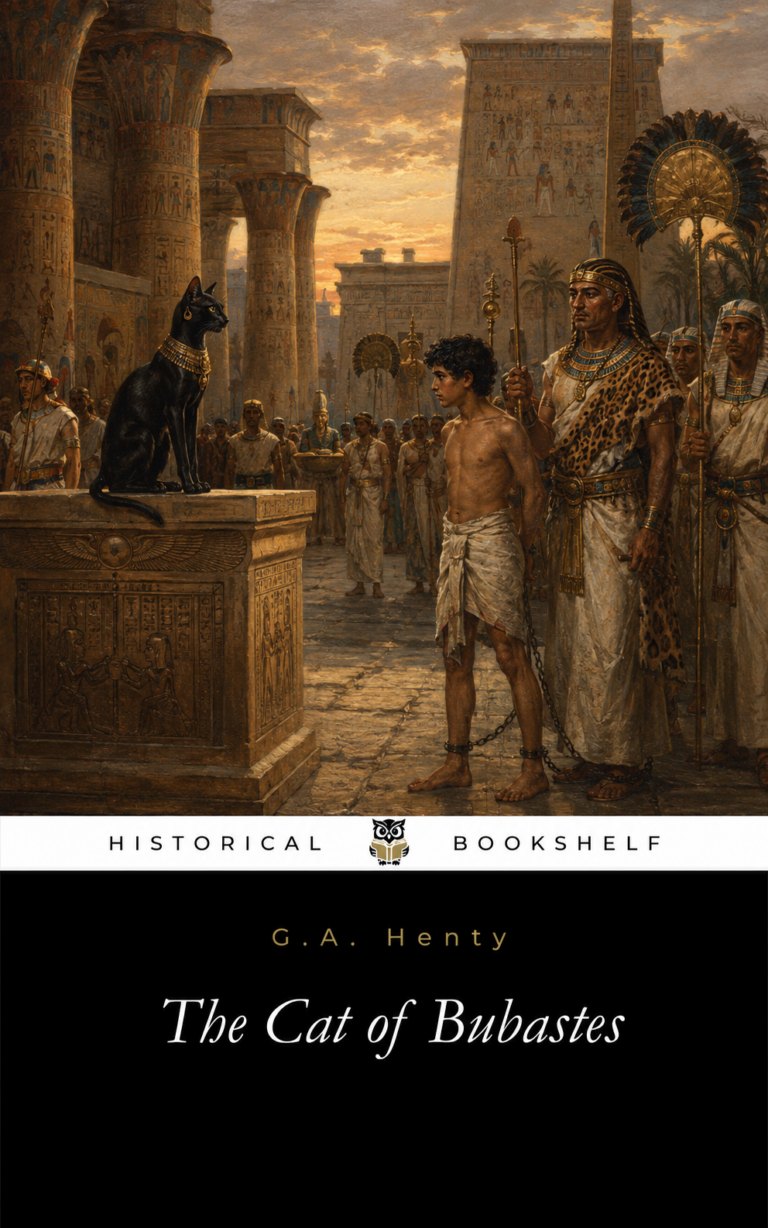
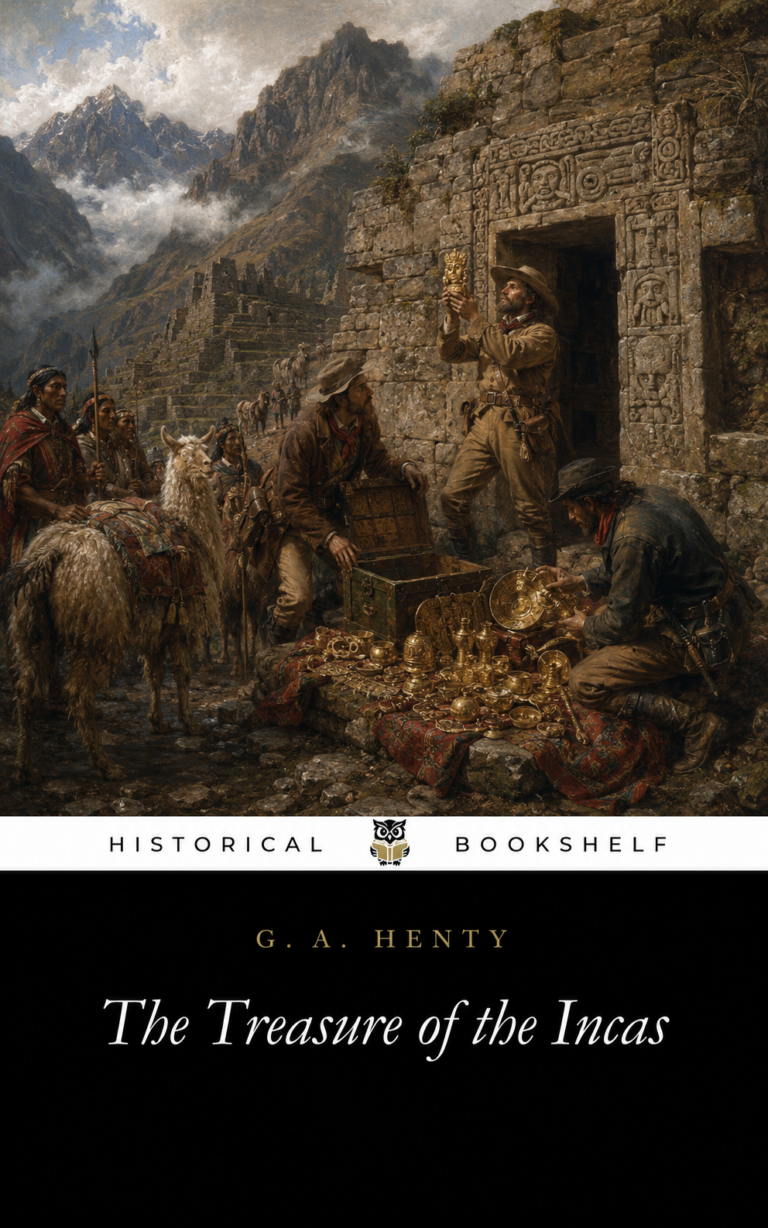
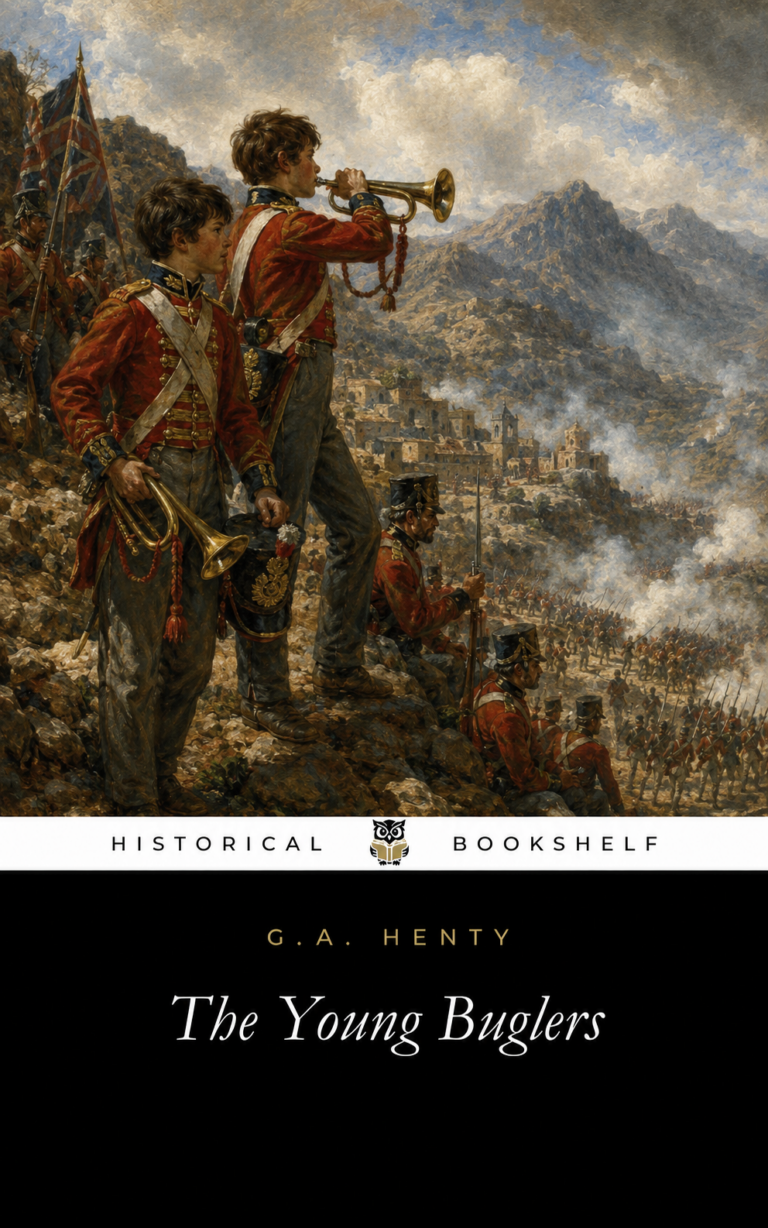
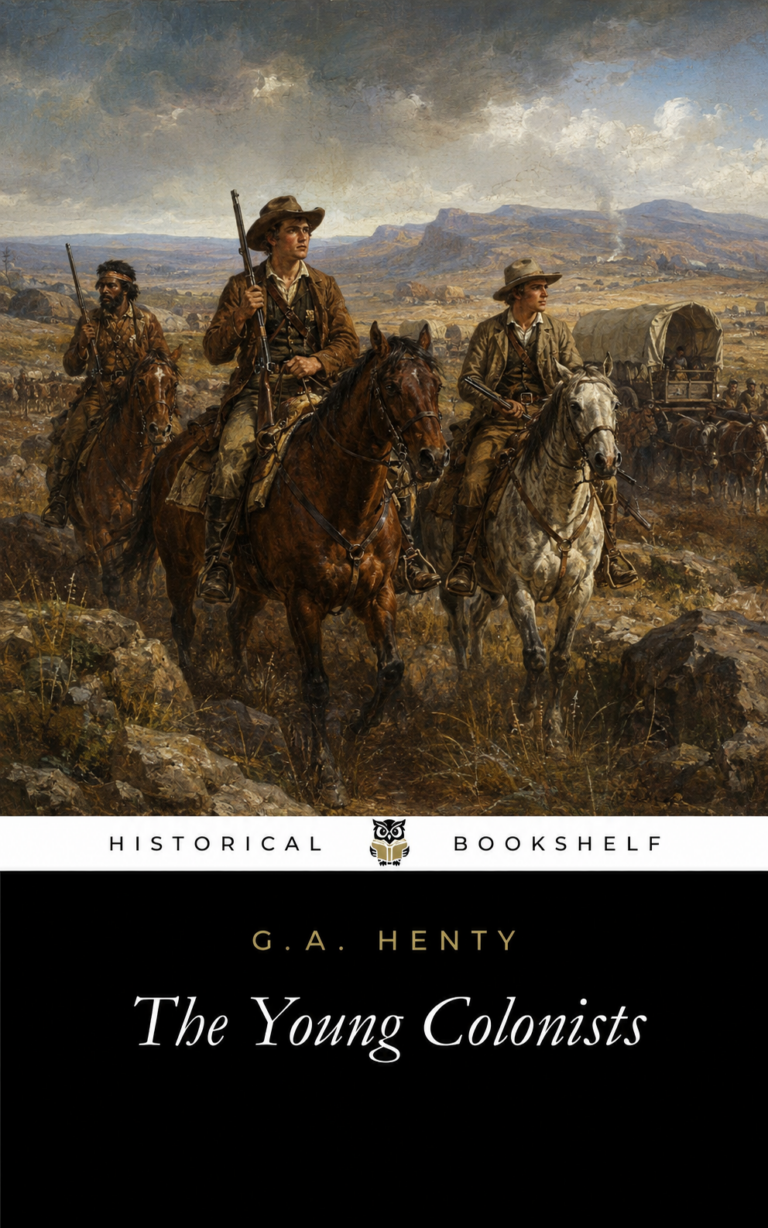
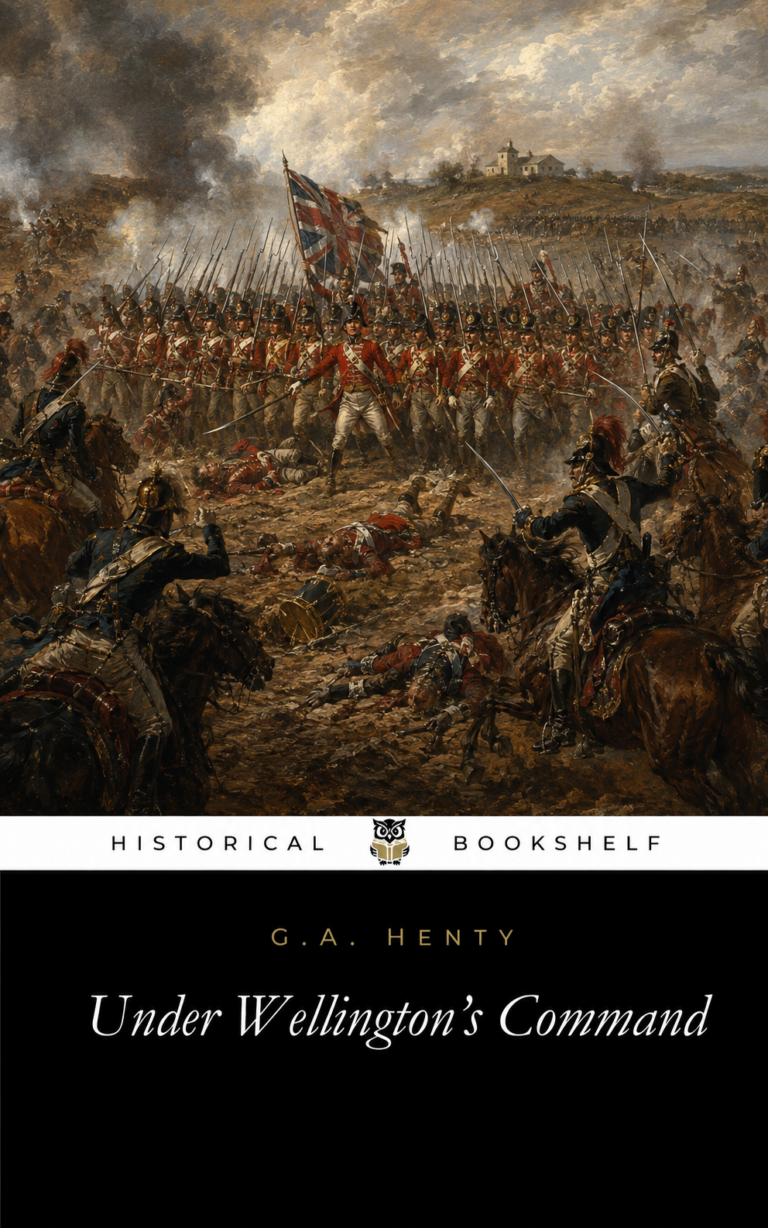
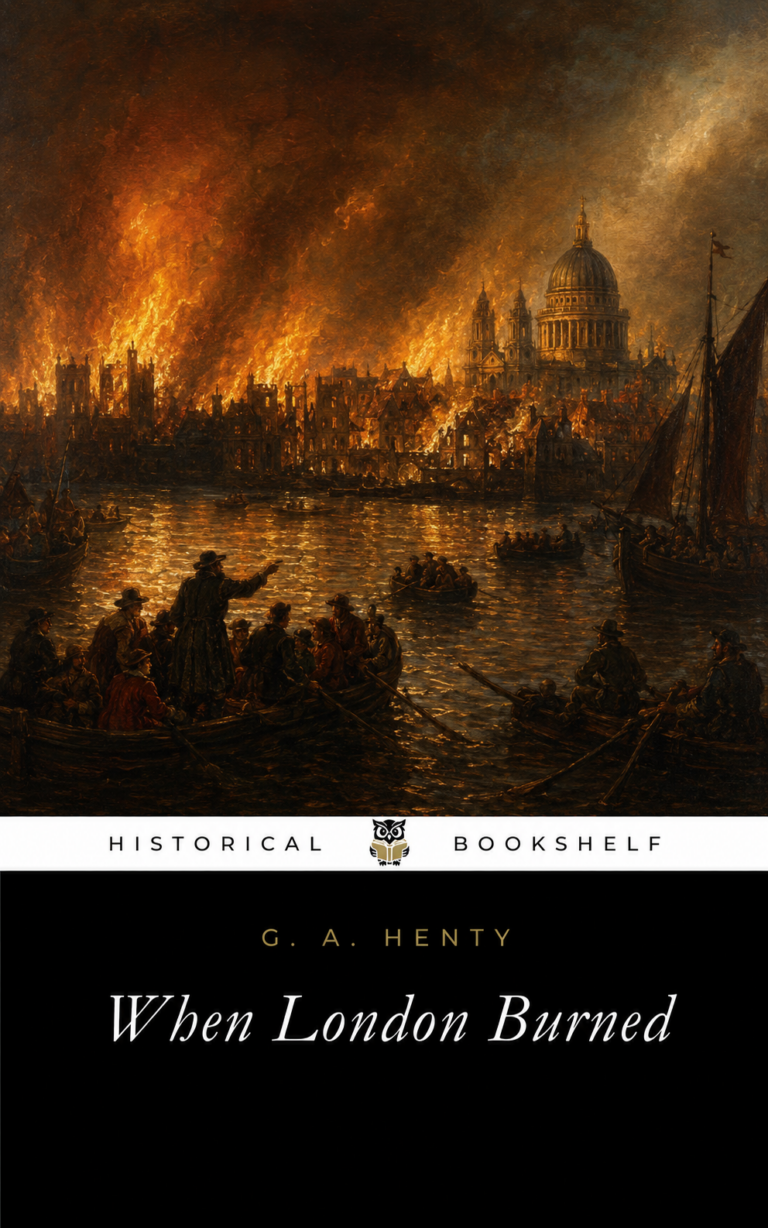
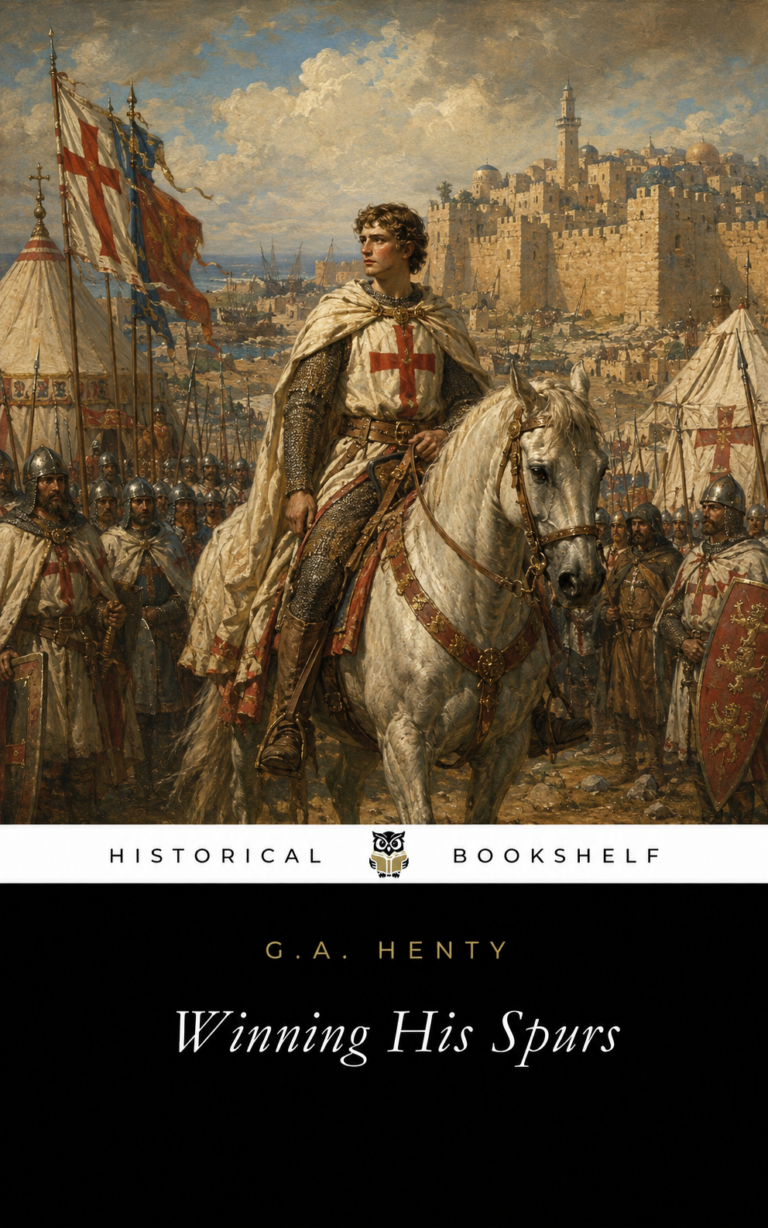
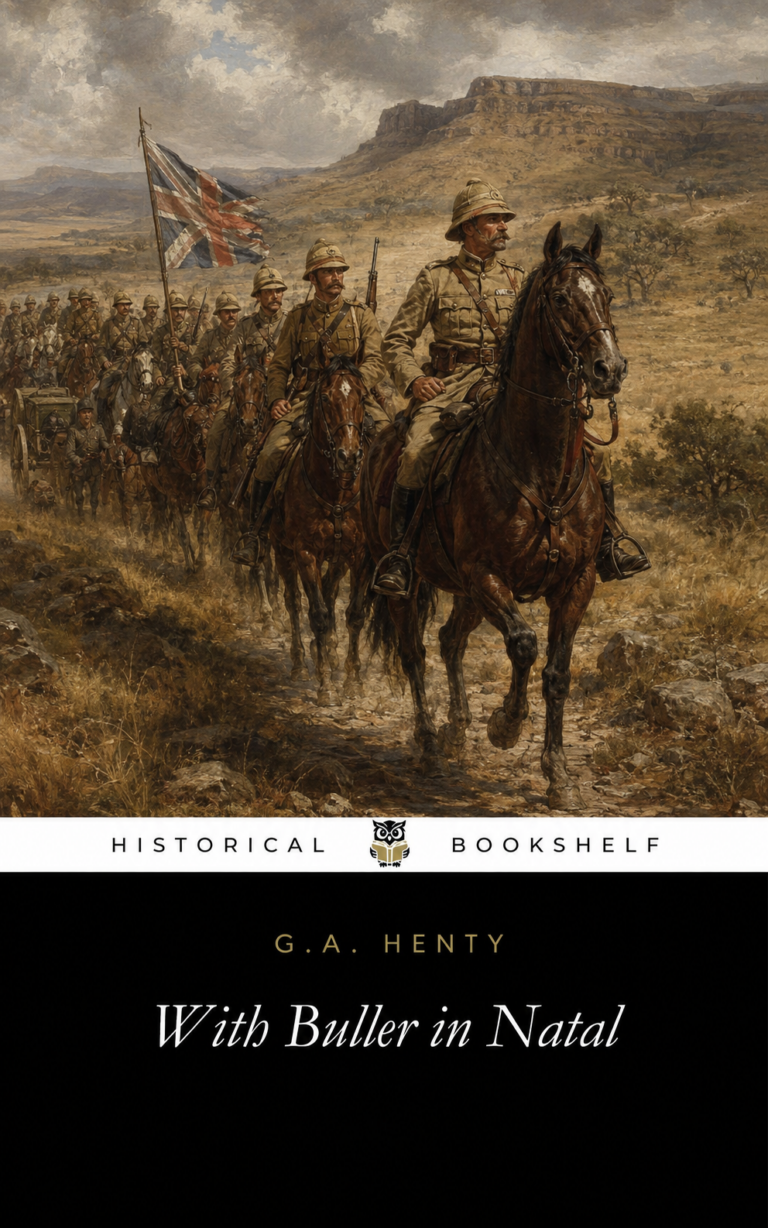
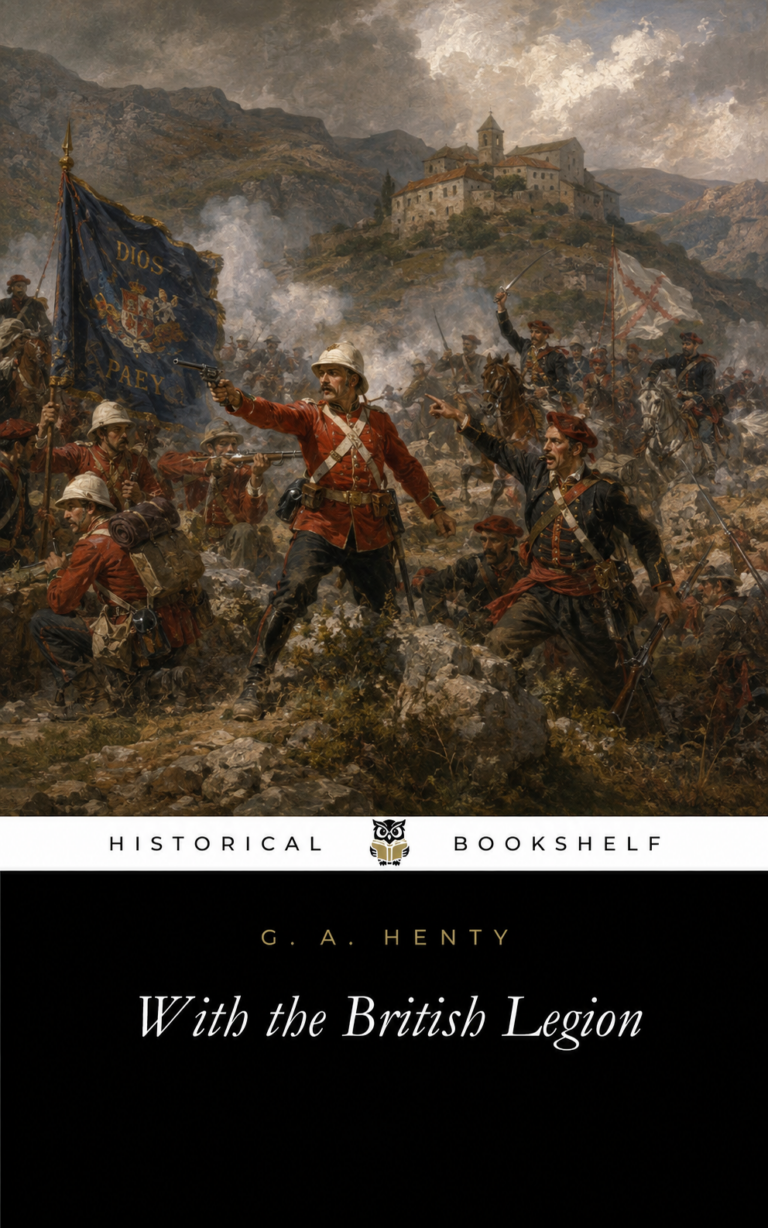
G. A. Henty (1832–1902) was an English journalist, war correspondent and one of the most prolific writers of historical adventure fiction for young readers in the Victorian period. Educated at Westminster School and Gonville and Caius College, Cambridge, he left university during the Crimean War and served with the British Army’s hospital commissariat. He later became a special correspondent for The Standard, reporting from the Austro-Italian War, the Franco-Prussian War, the British expedition to Abyssinia, the Ashanti campaign and the Carlist War in Spain, as well as travelling to the opening of the Suez Canal and through India. These experiences gave him first-hand knowledge of campaigning, logistics and military life that strongly influenced his fiction. From the 1870s onwards he became extraordinarily productive, eventually writing more than a hundred books, most of them adventure stories intended for boys.
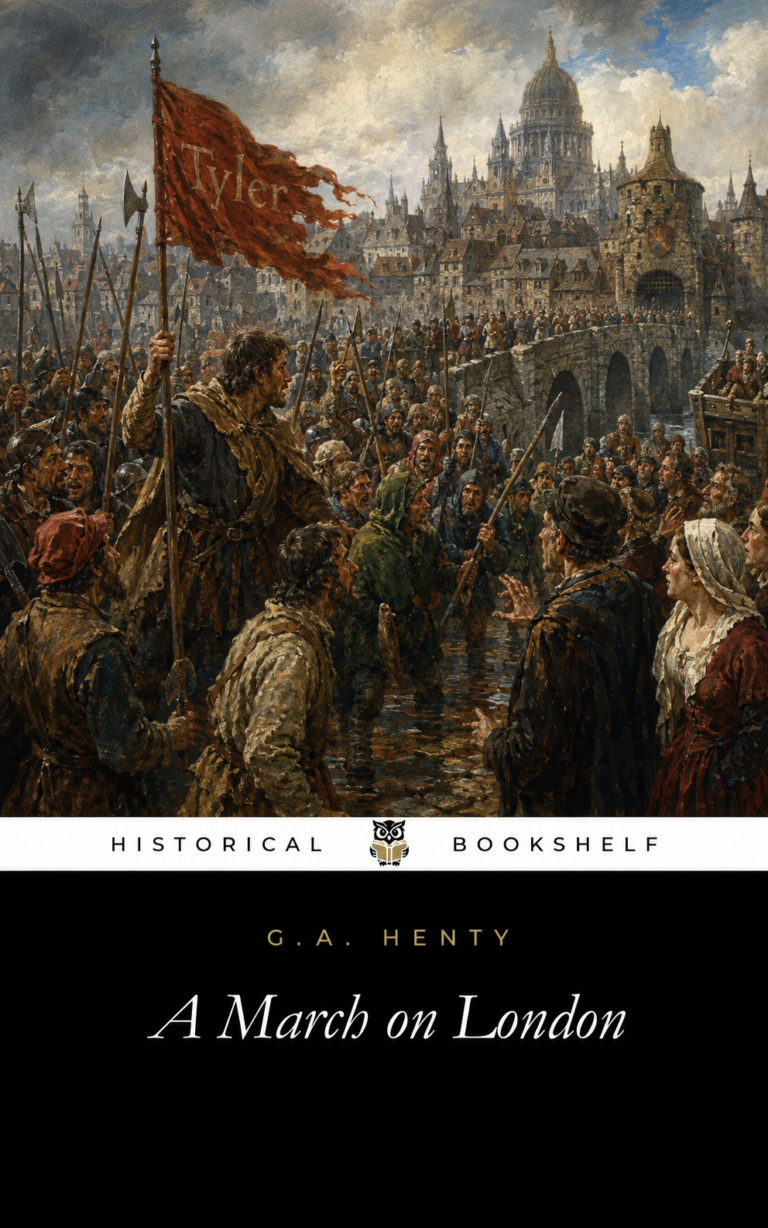
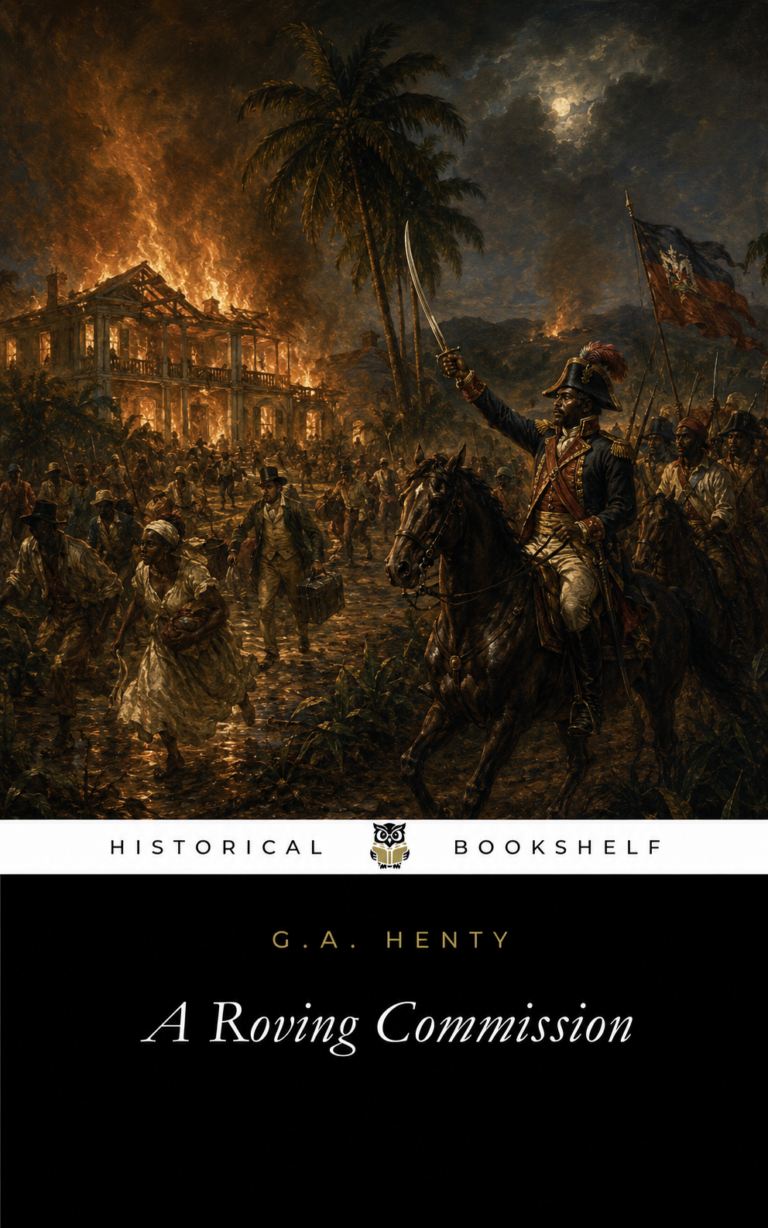
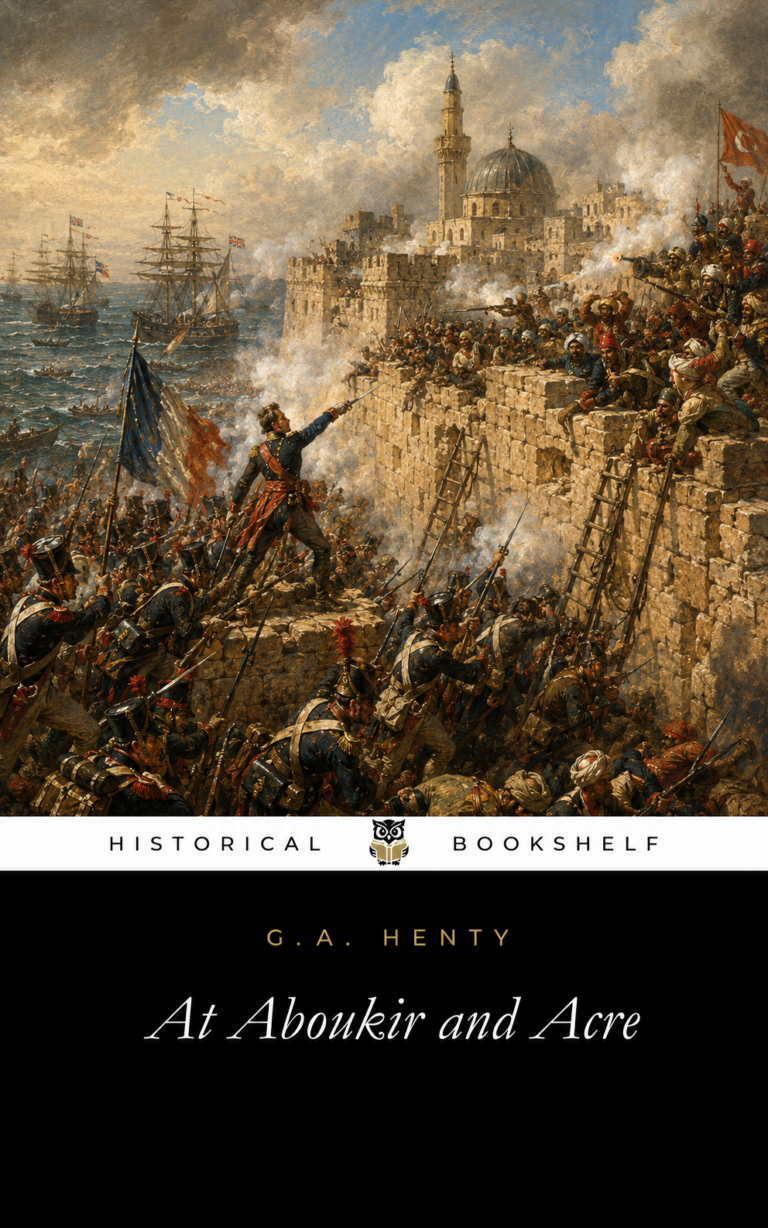
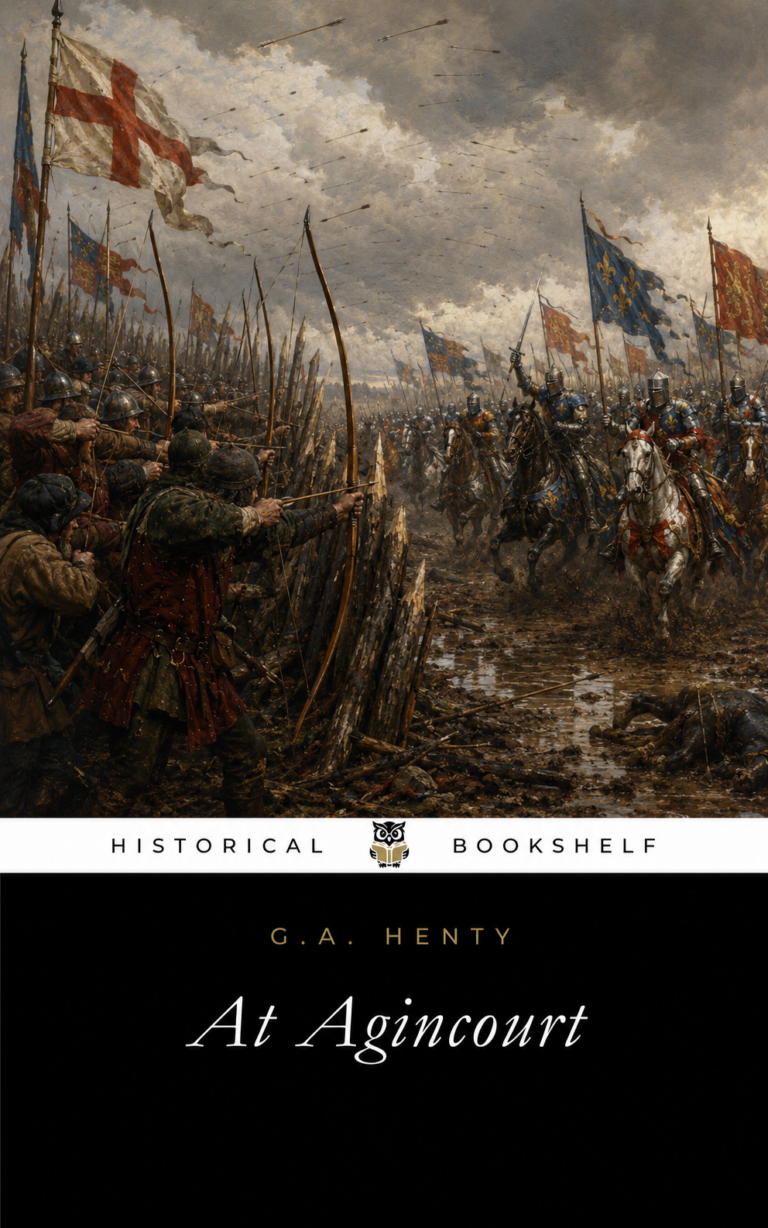
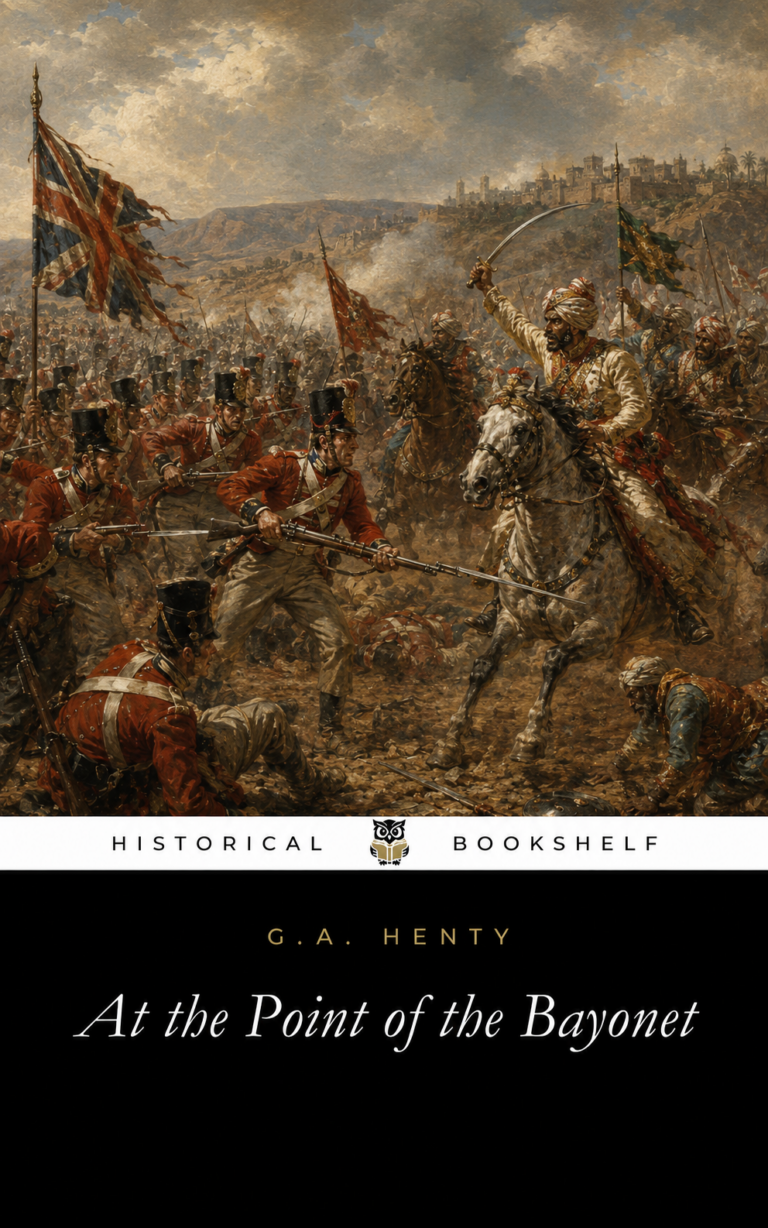
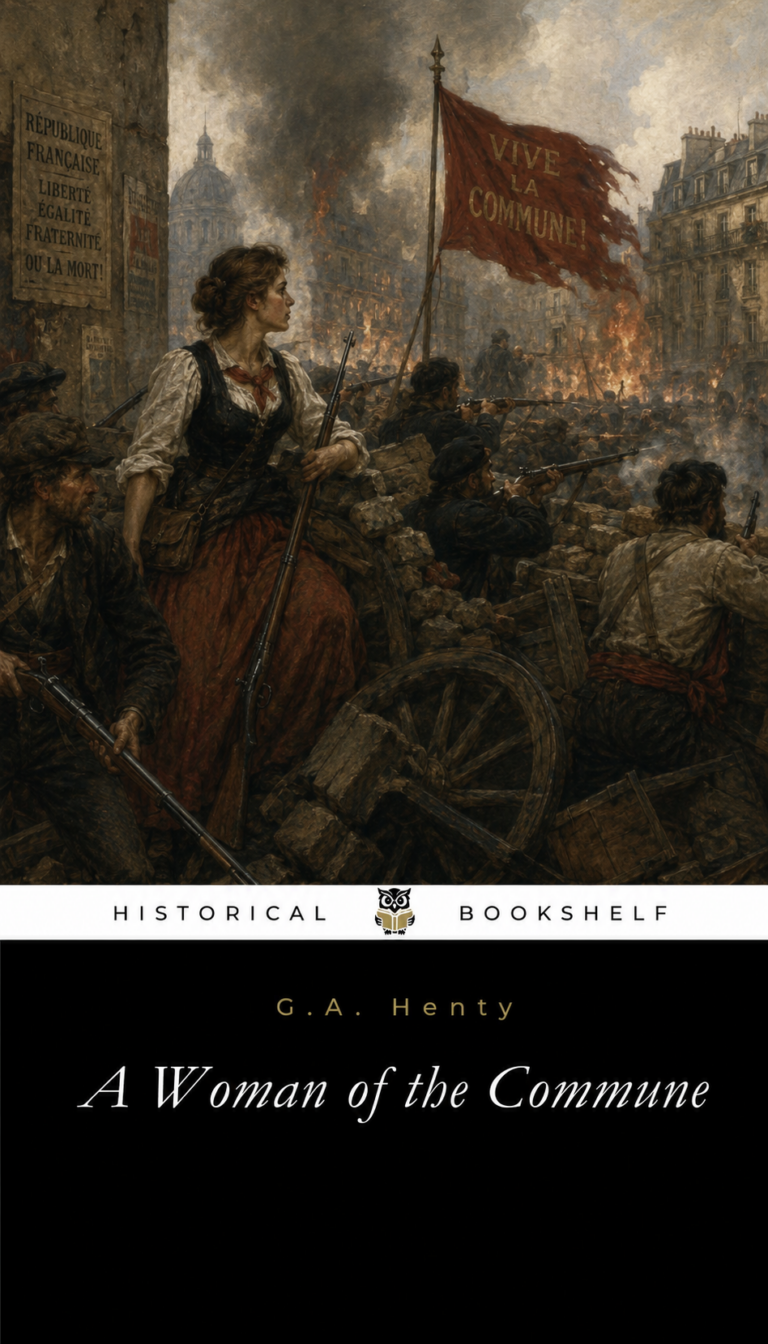
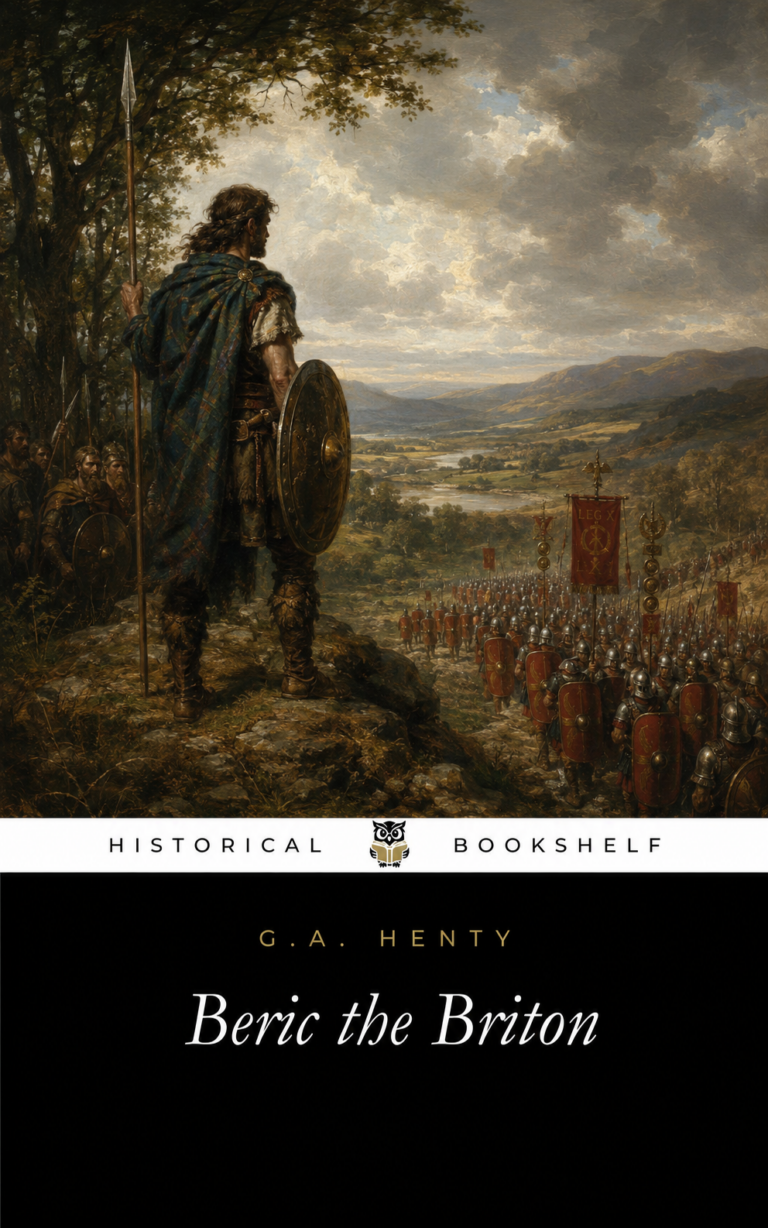
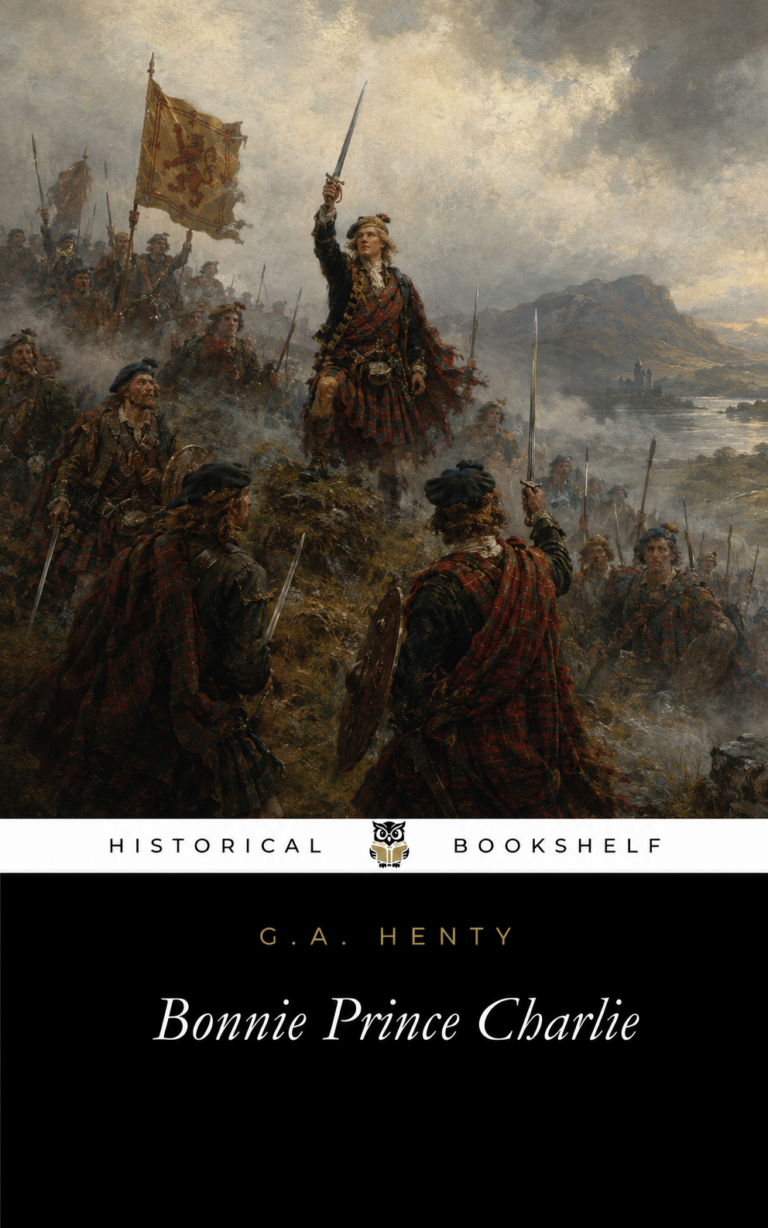
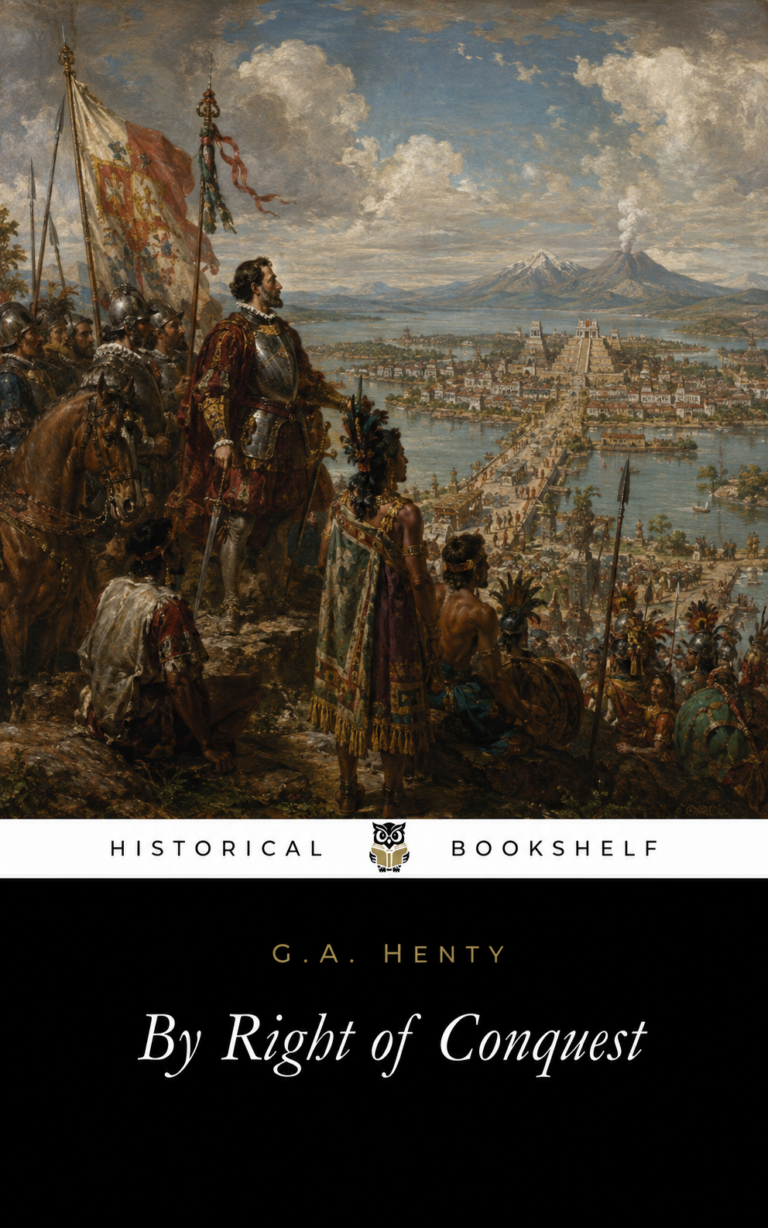
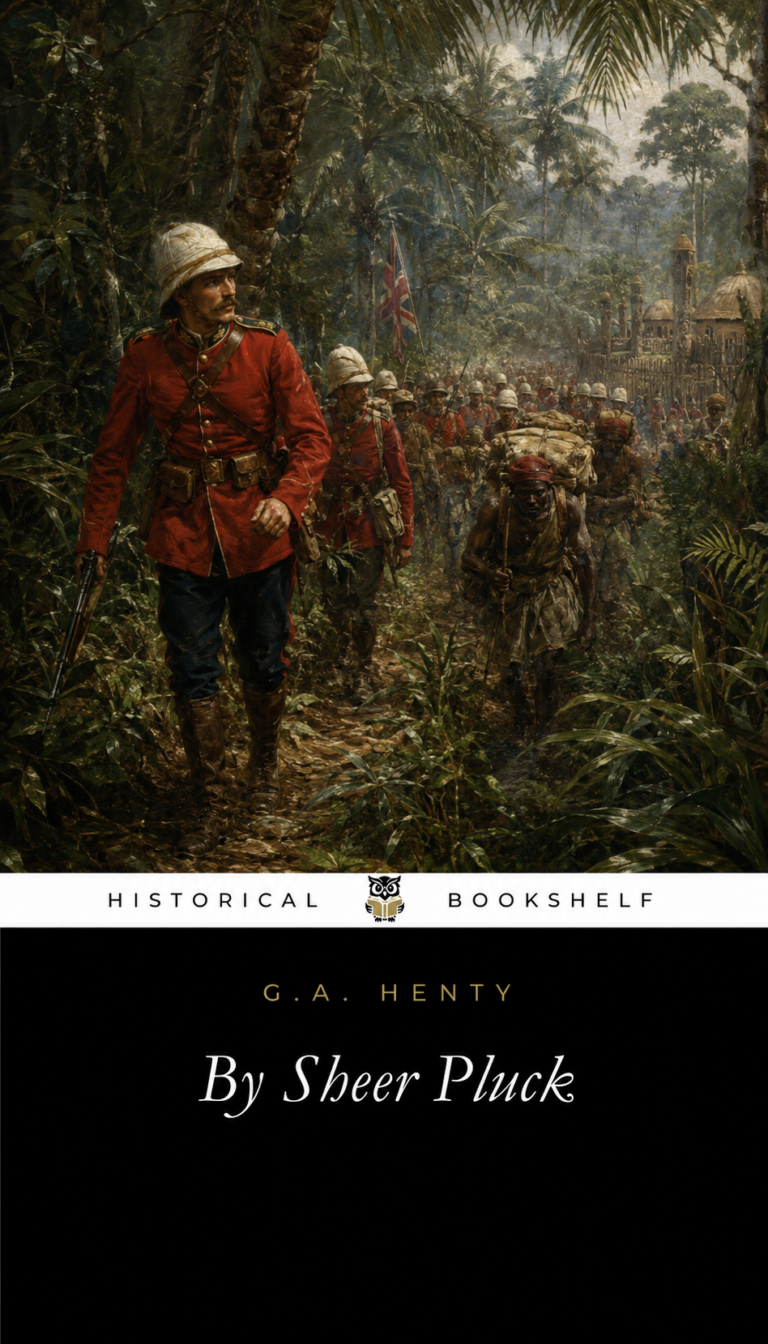
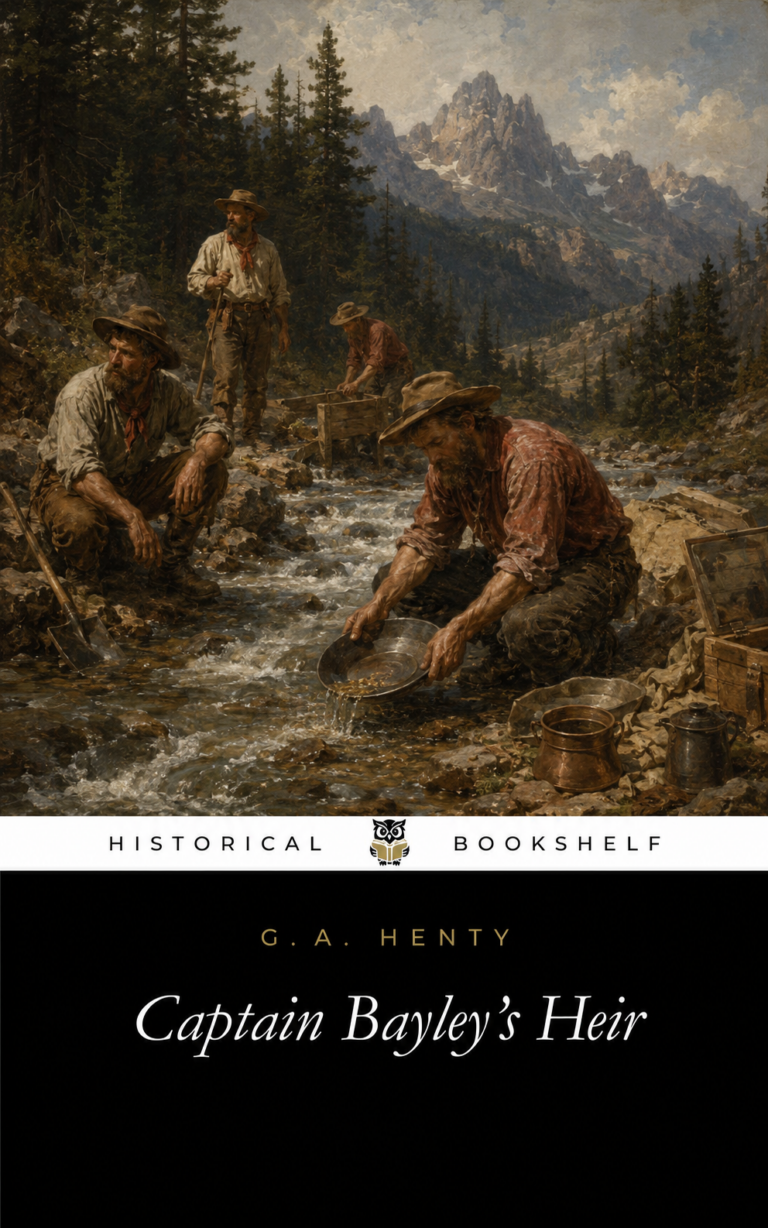
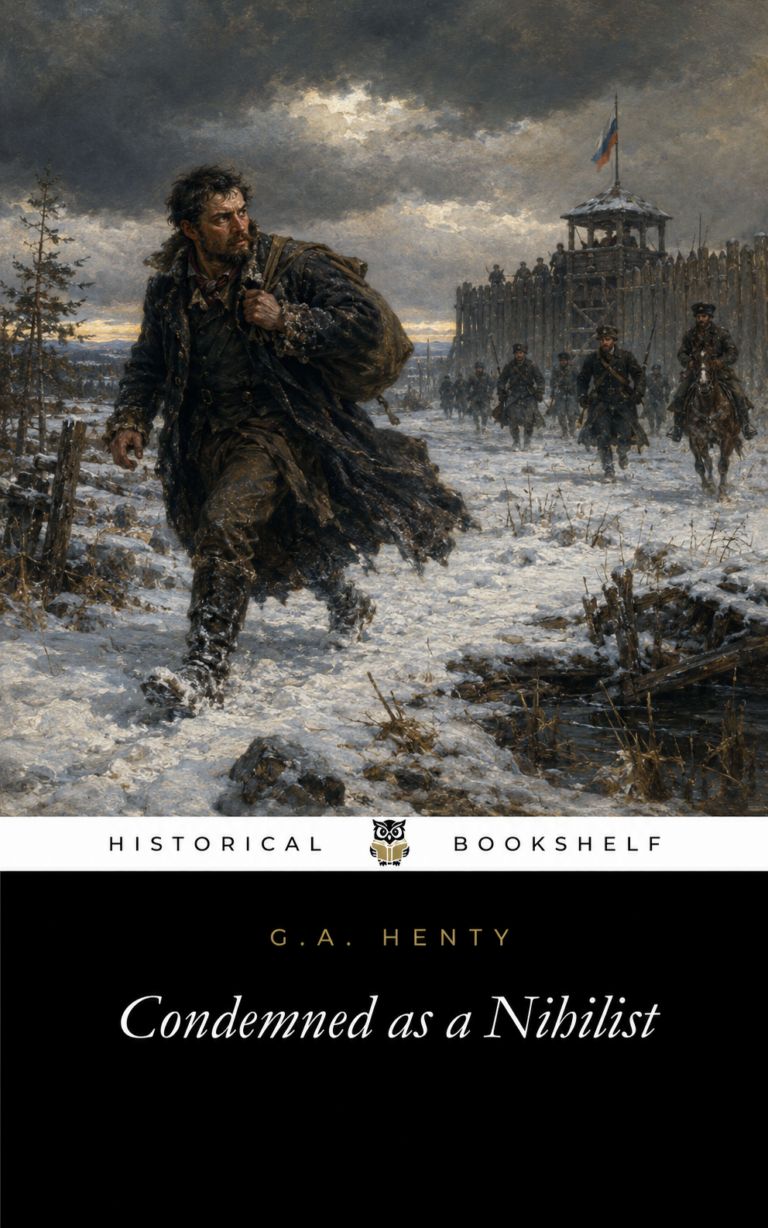
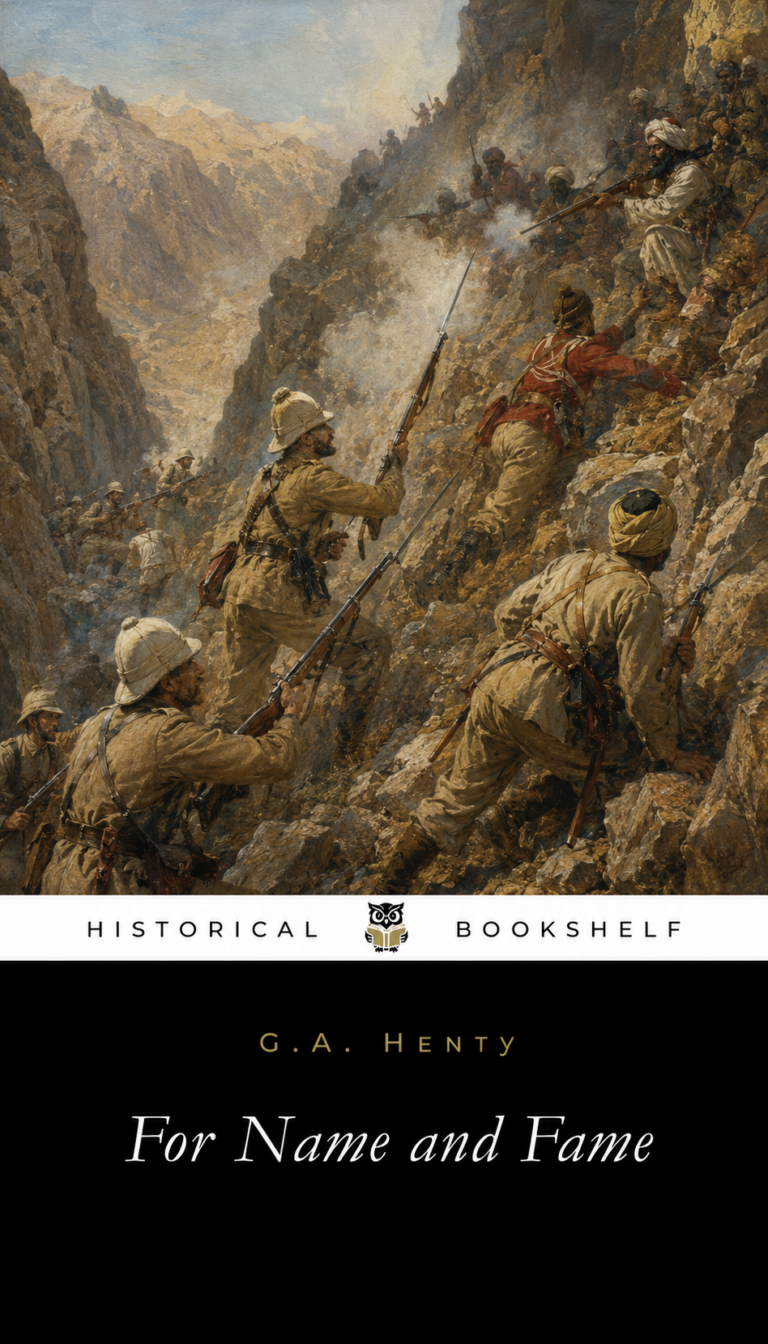
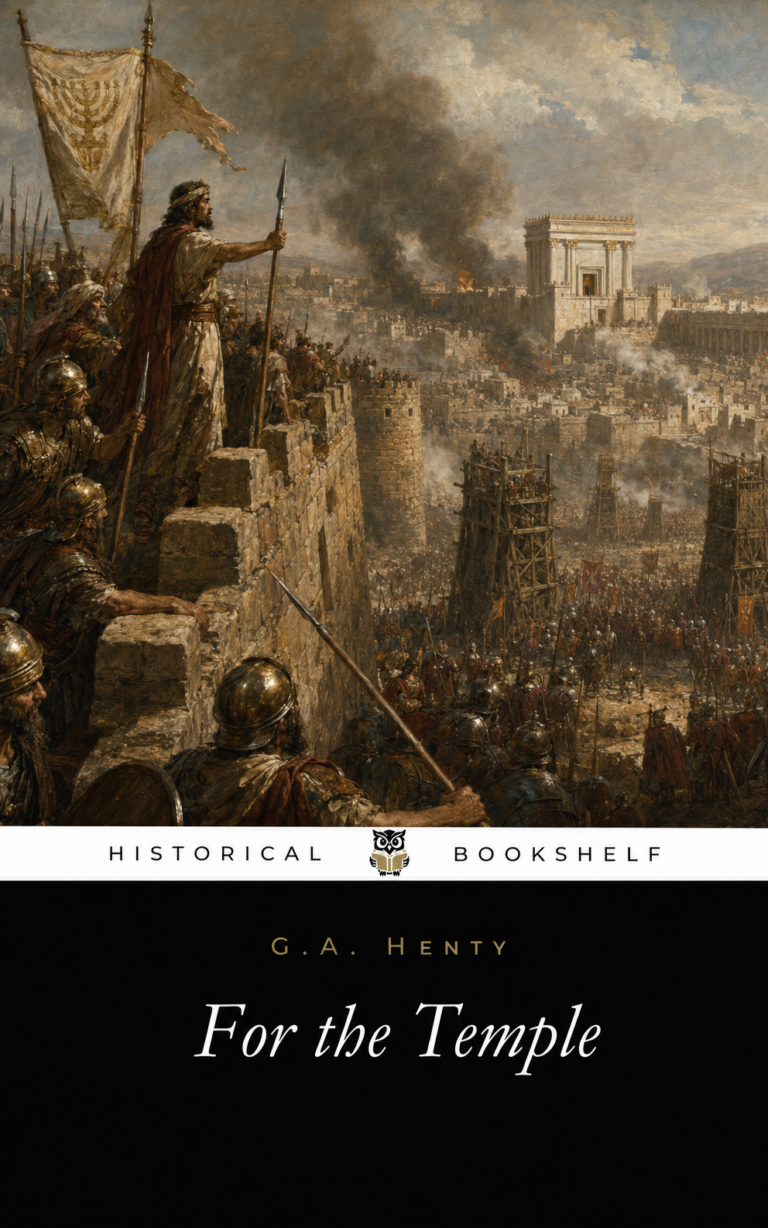
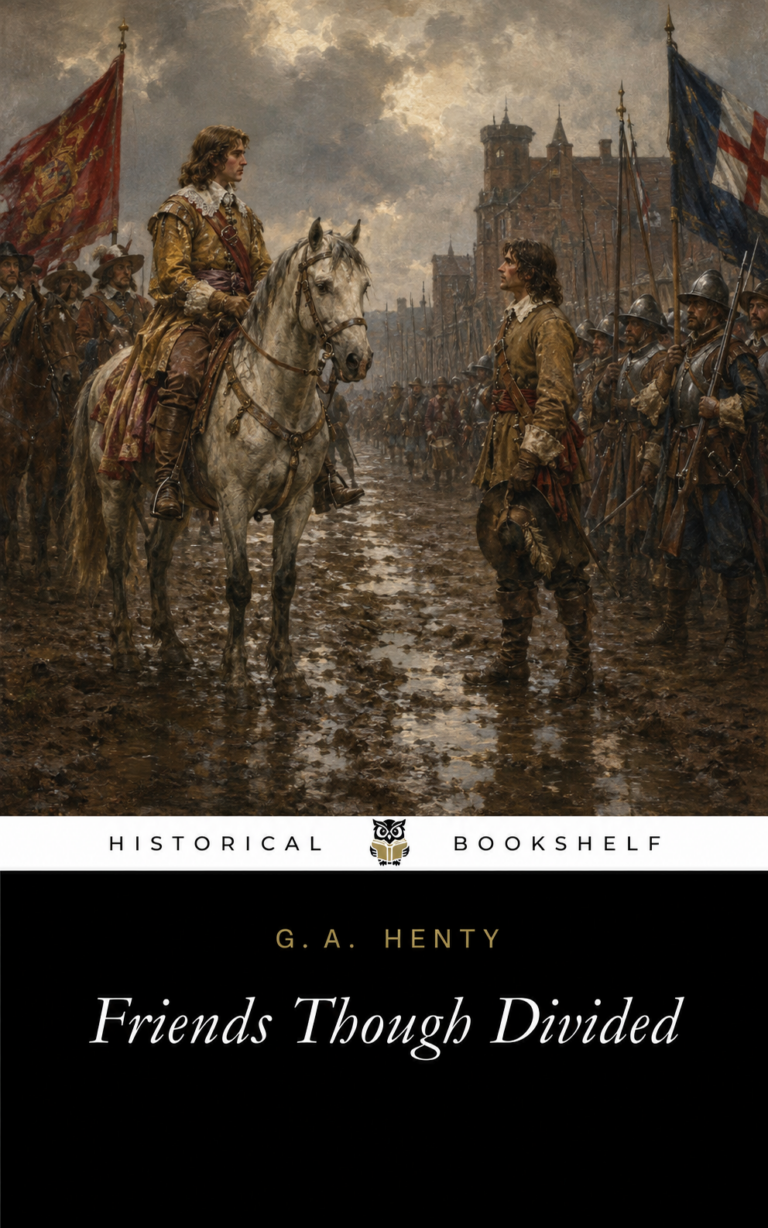
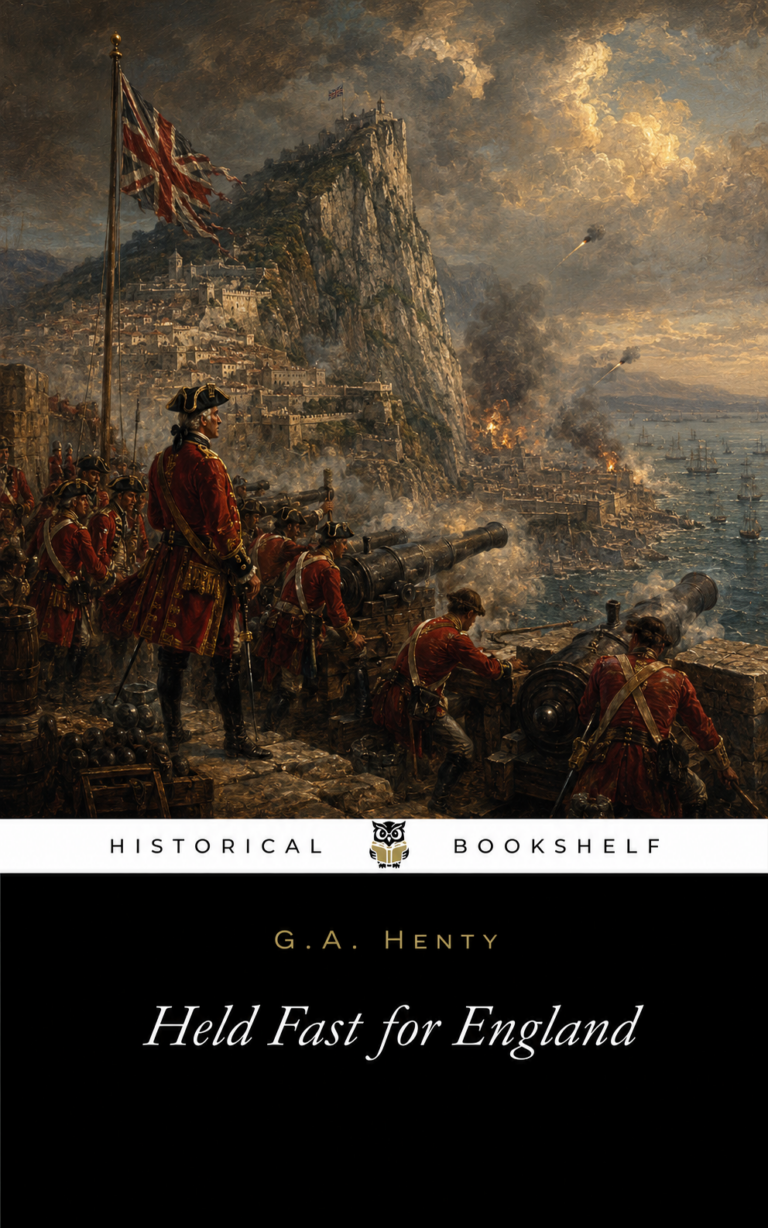
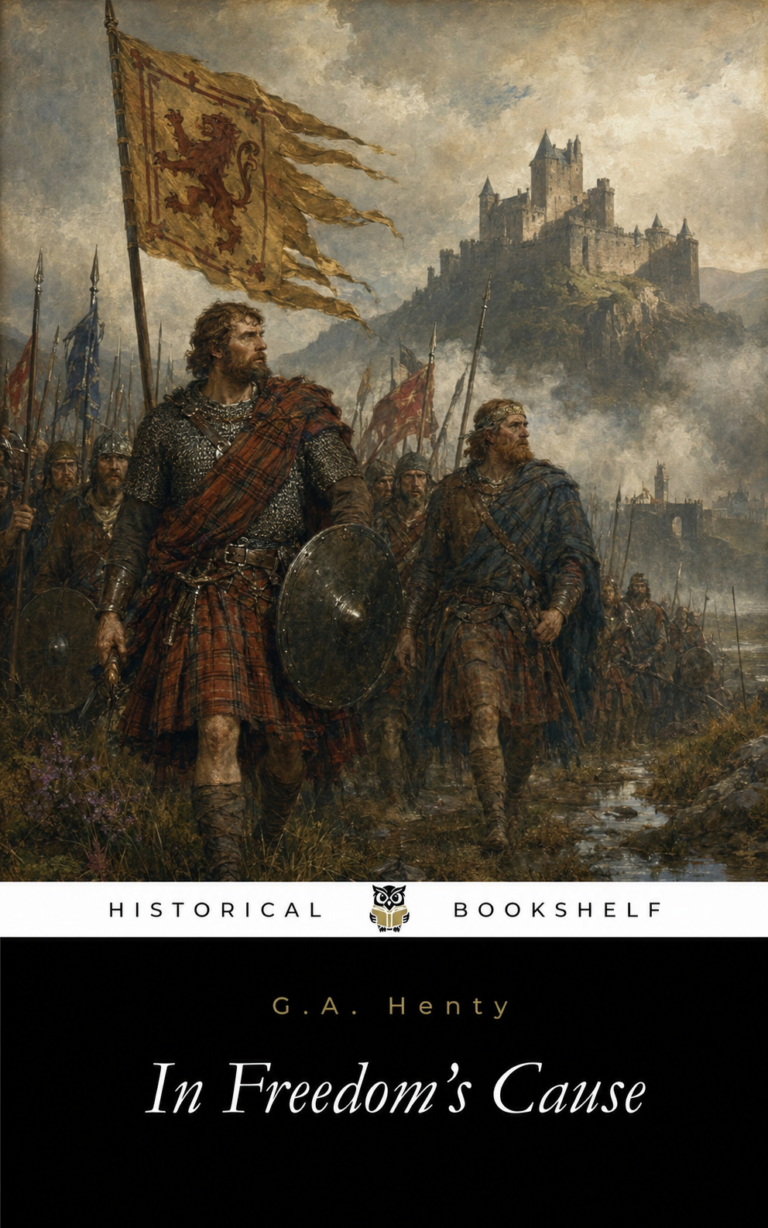
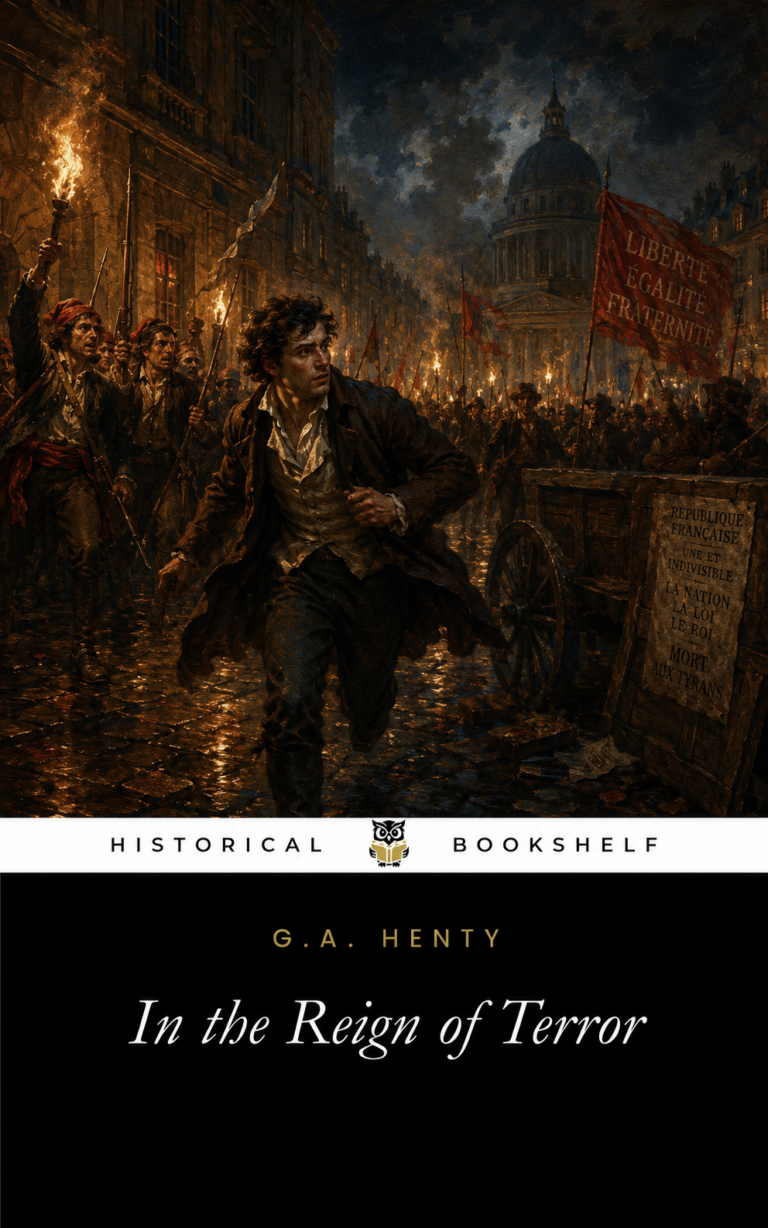
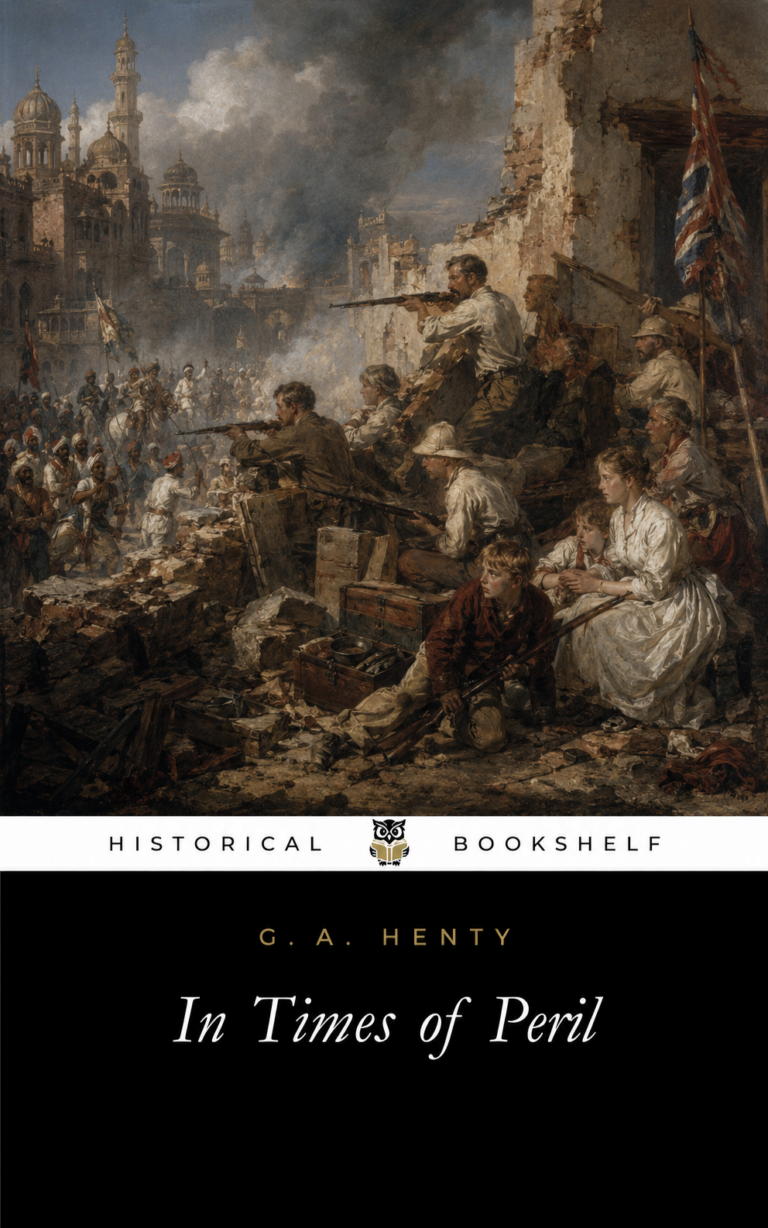
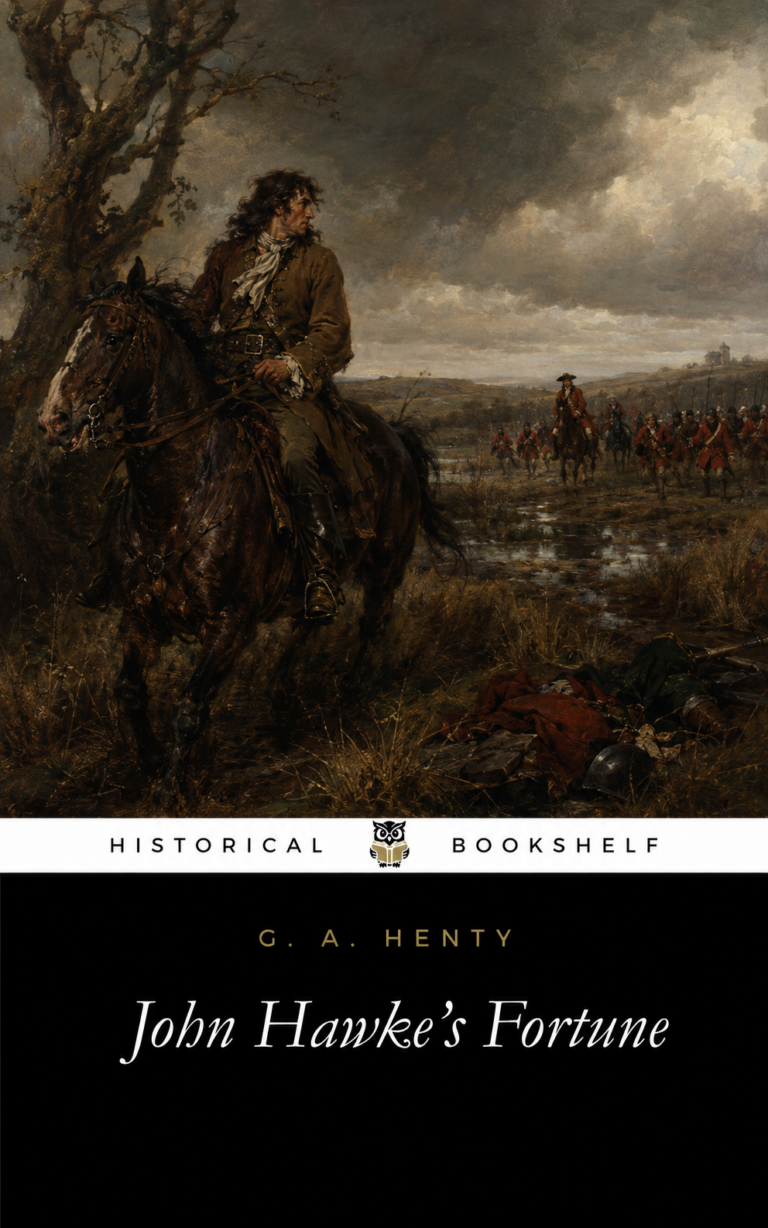
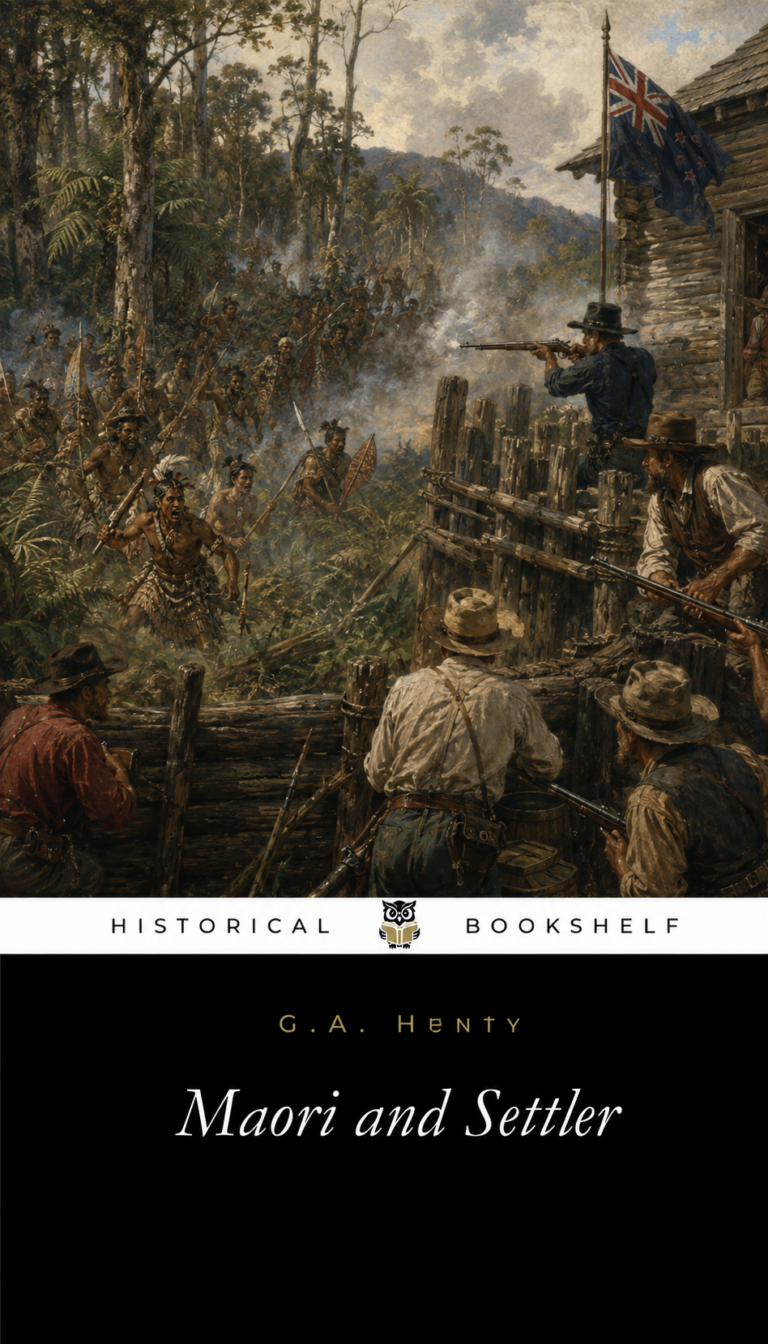
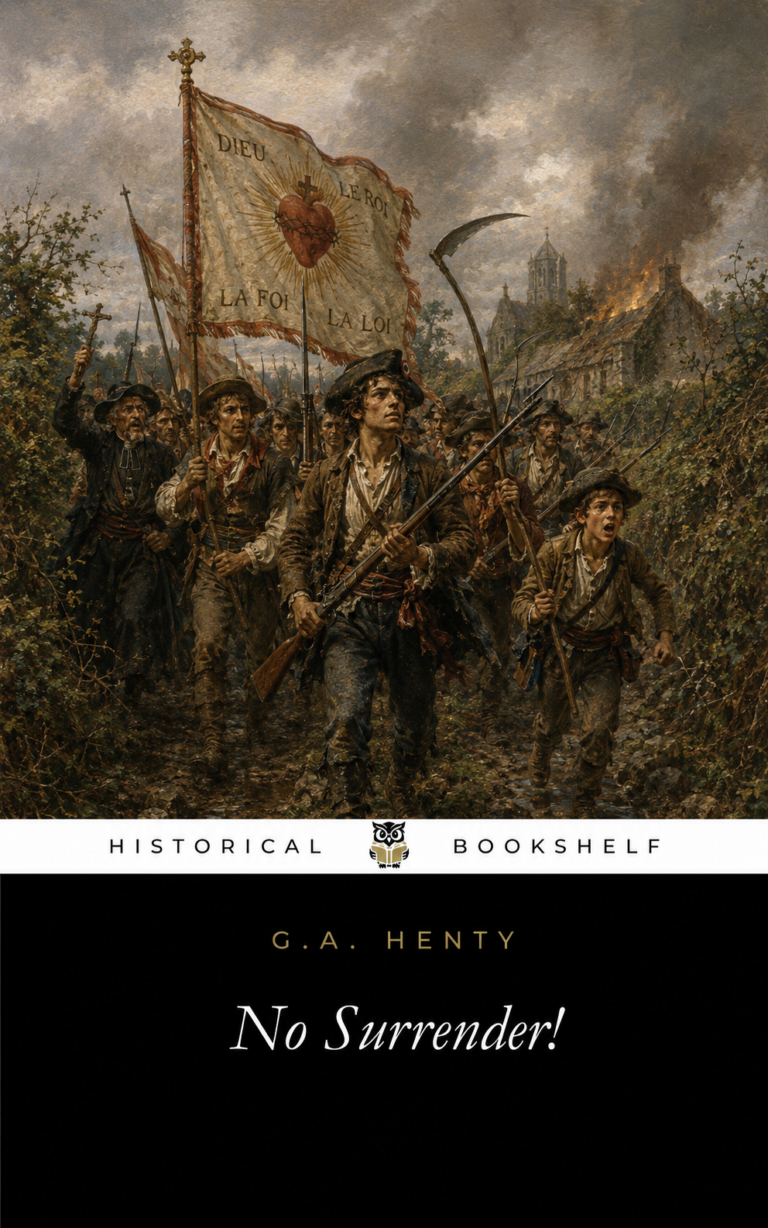
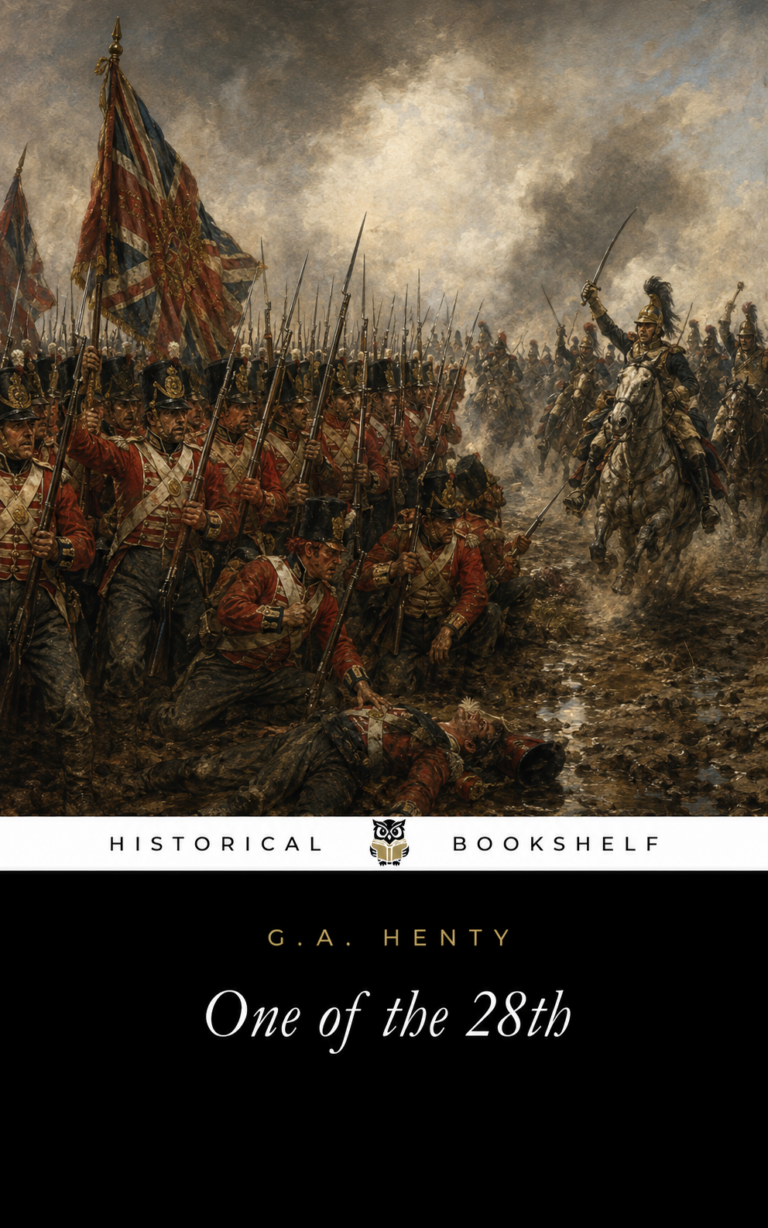
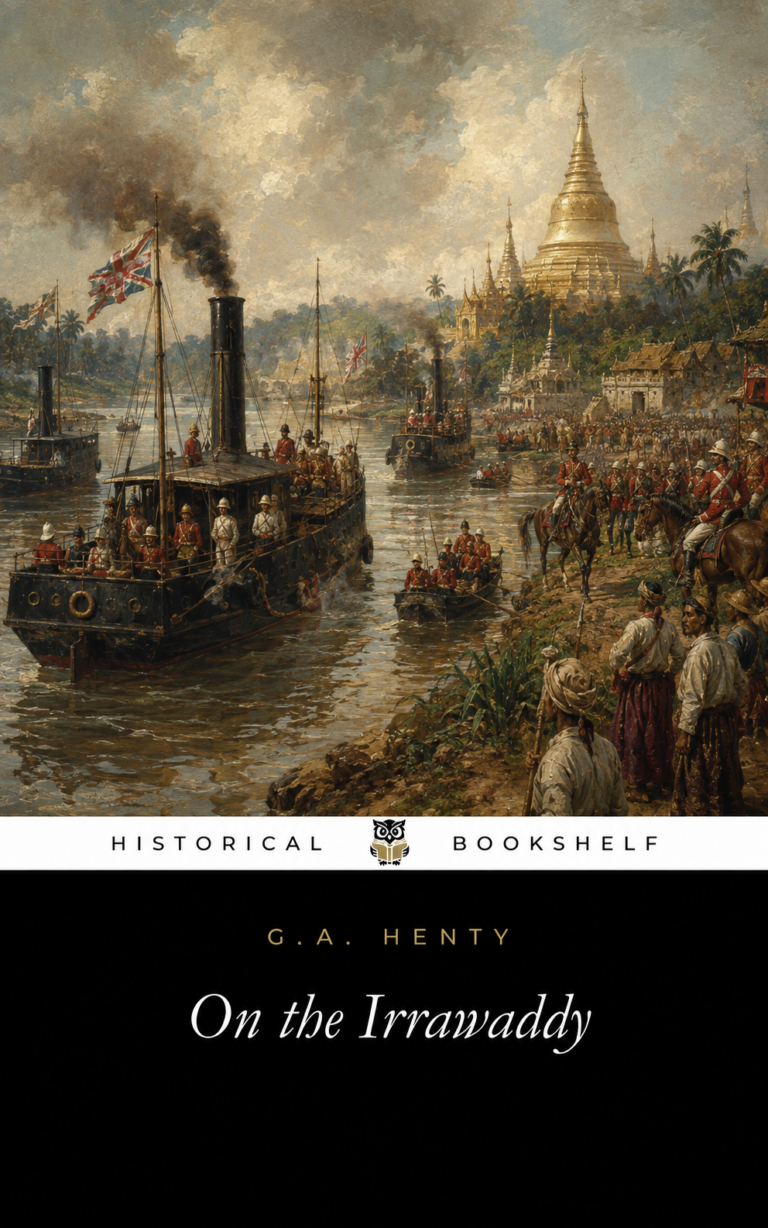
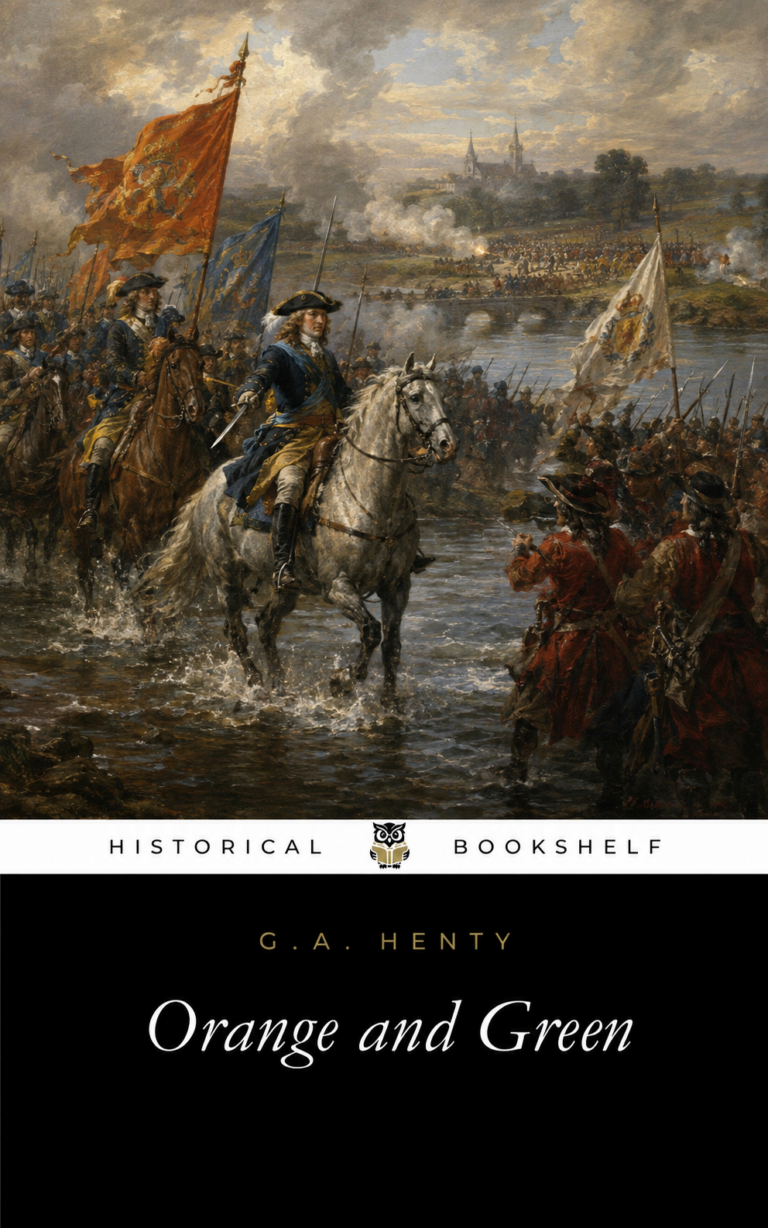
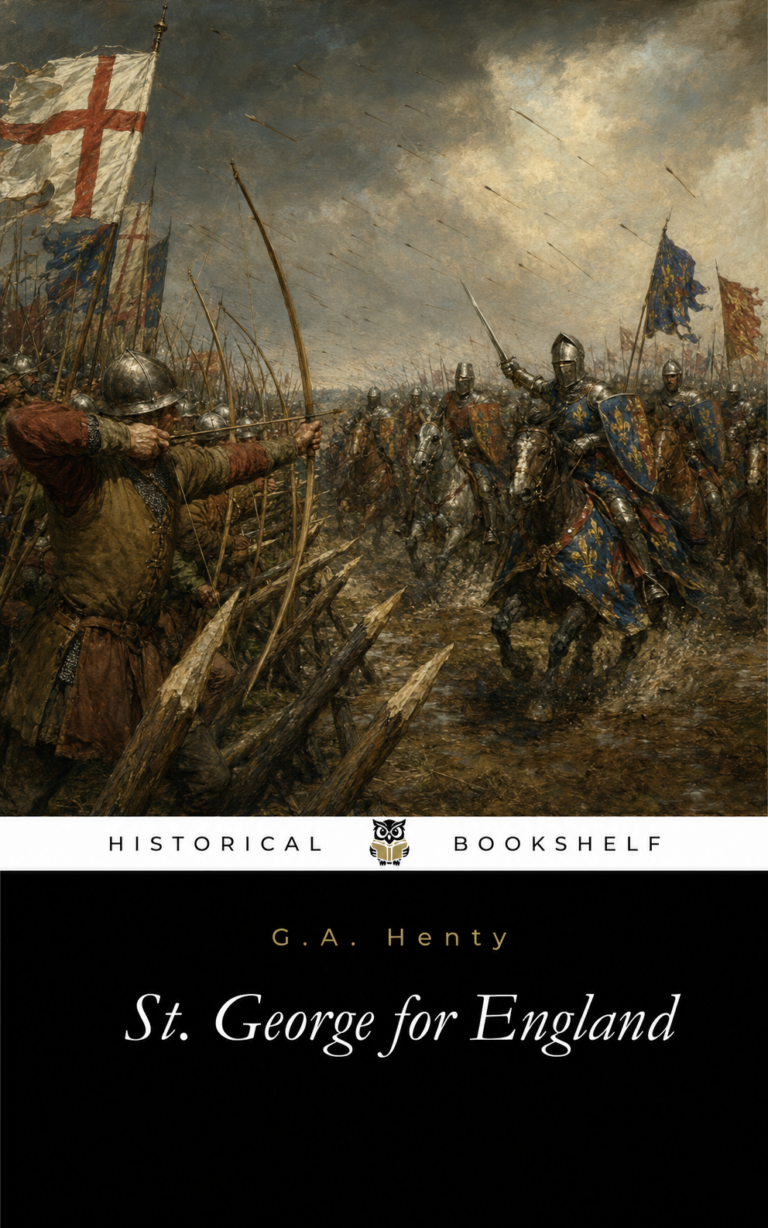
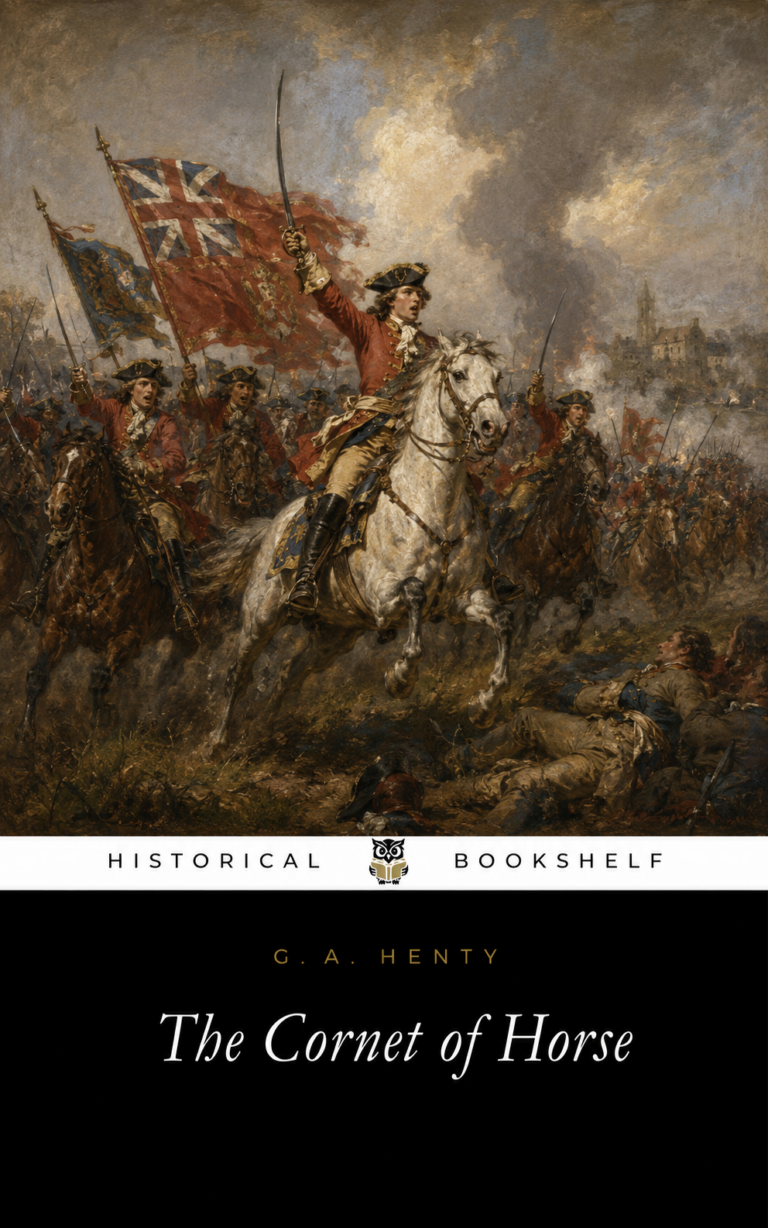
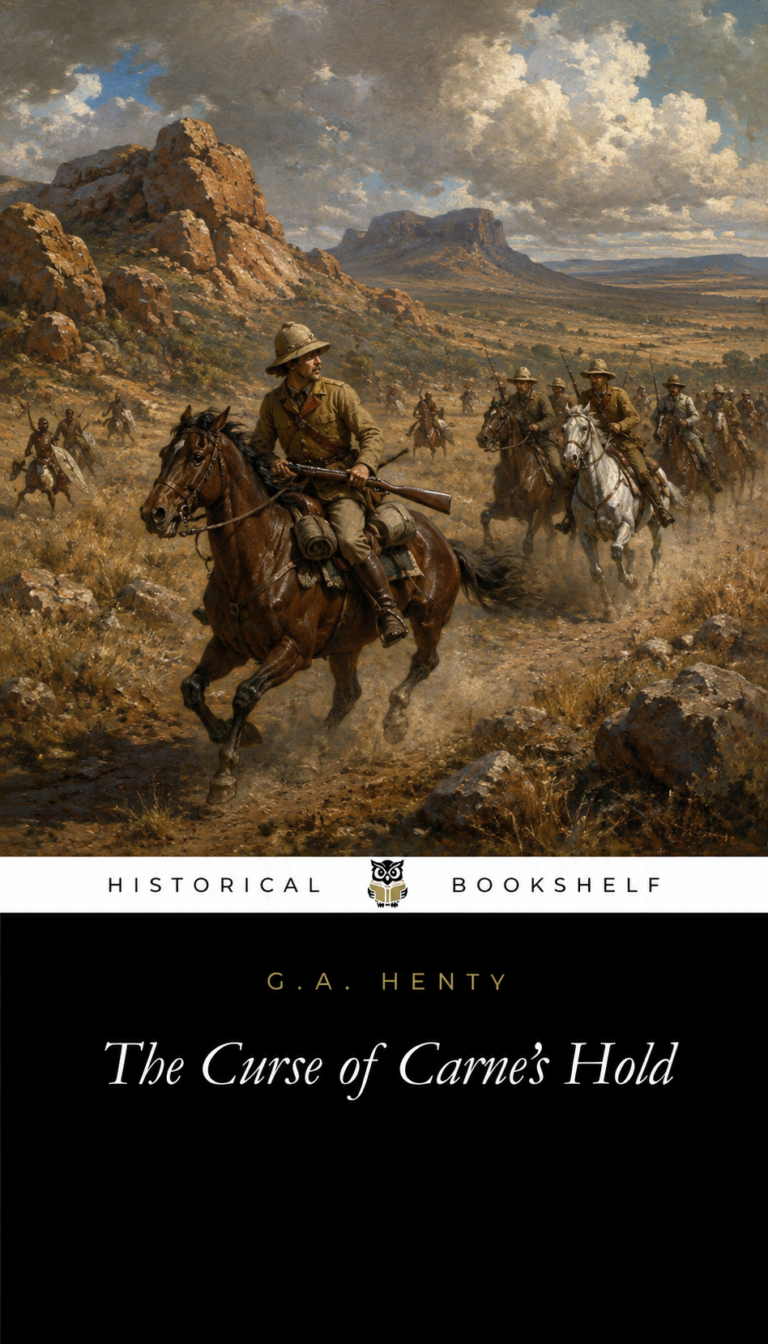
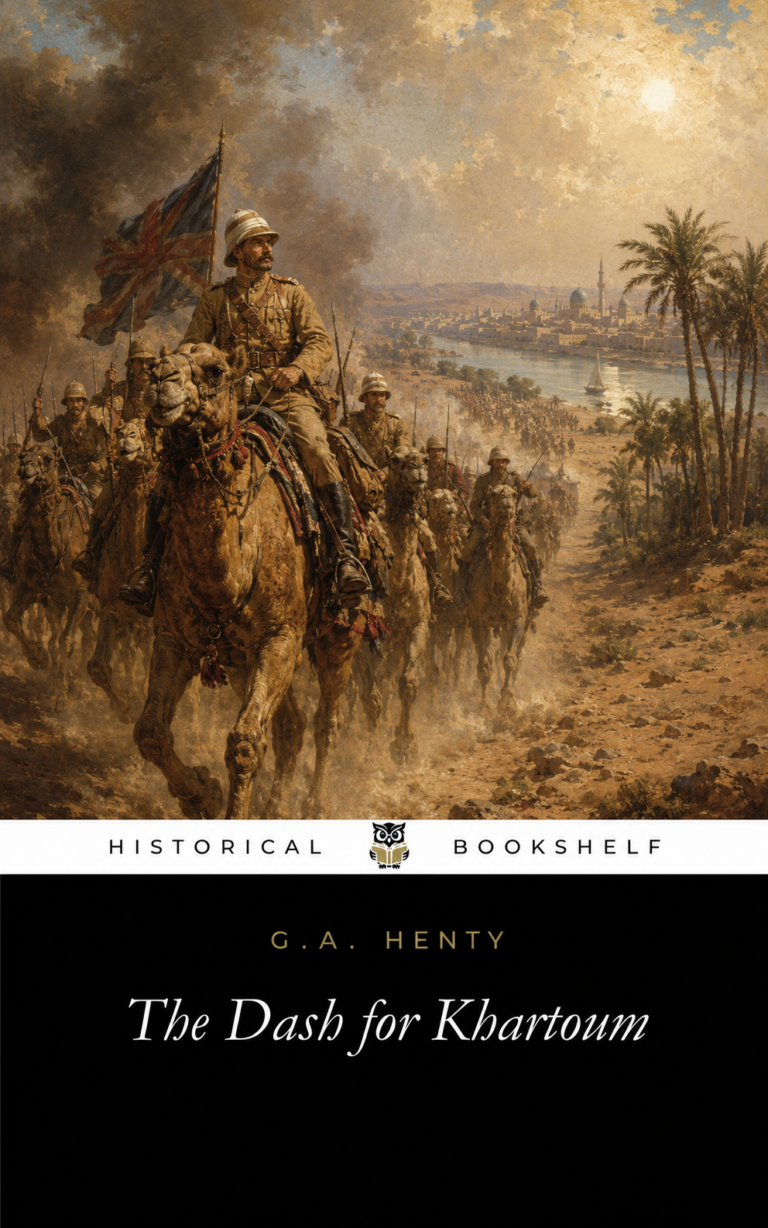
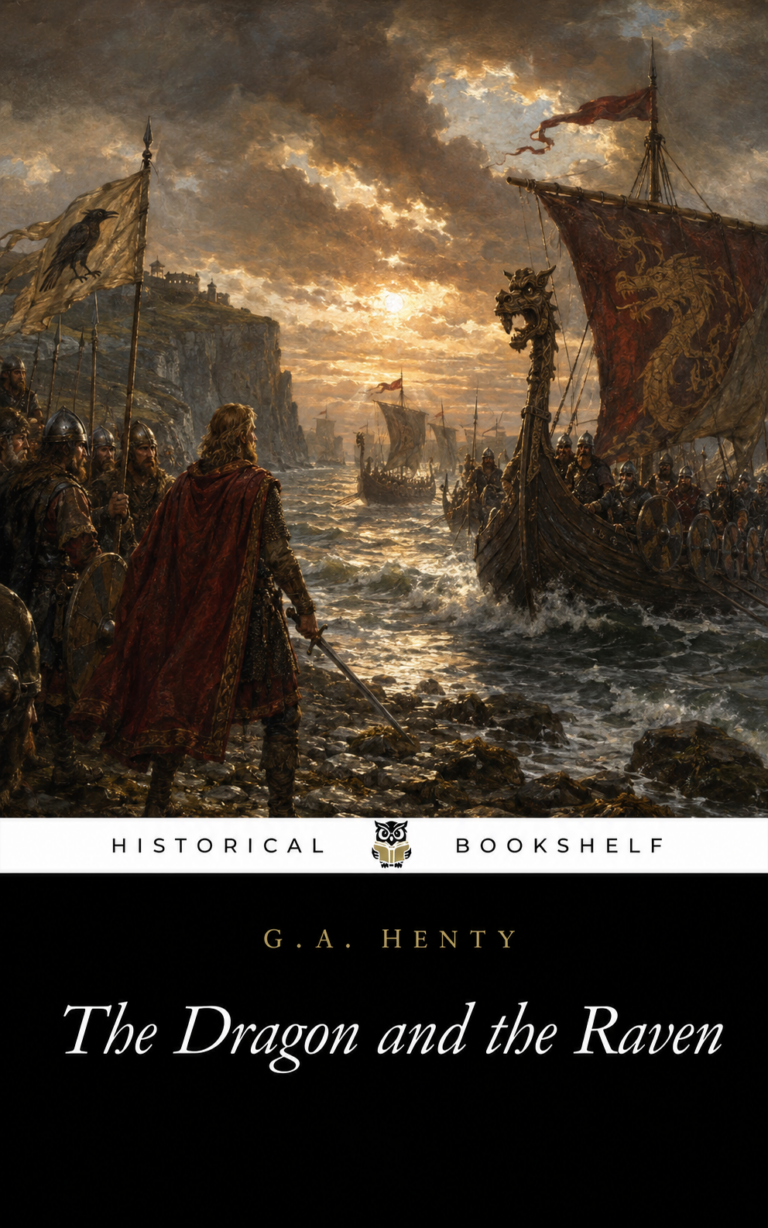
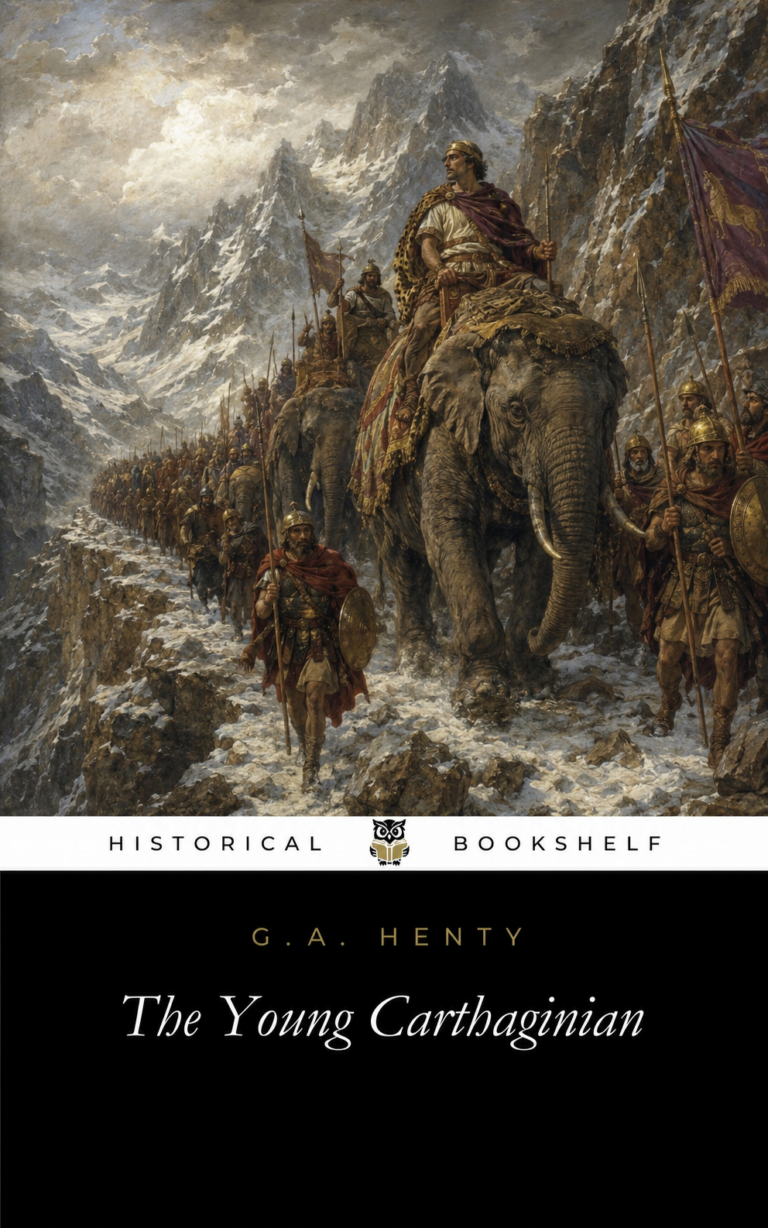
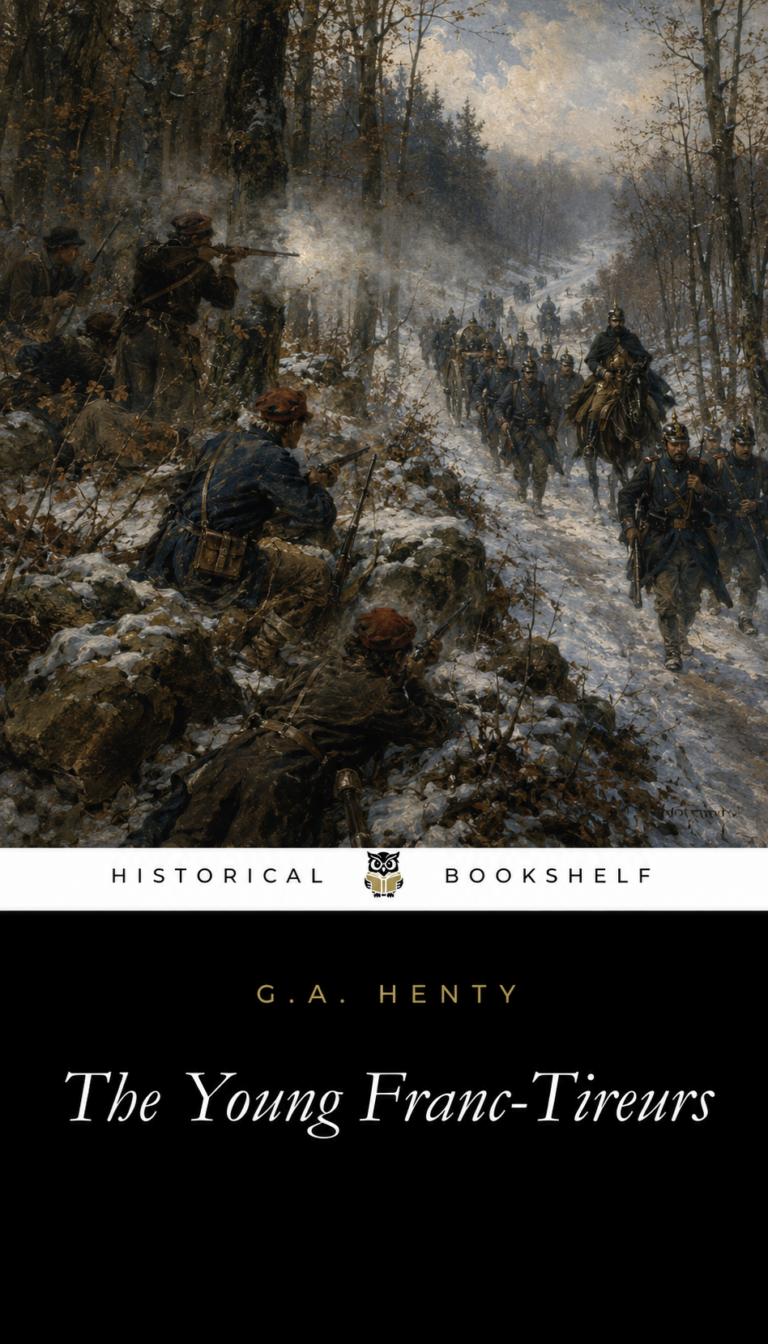
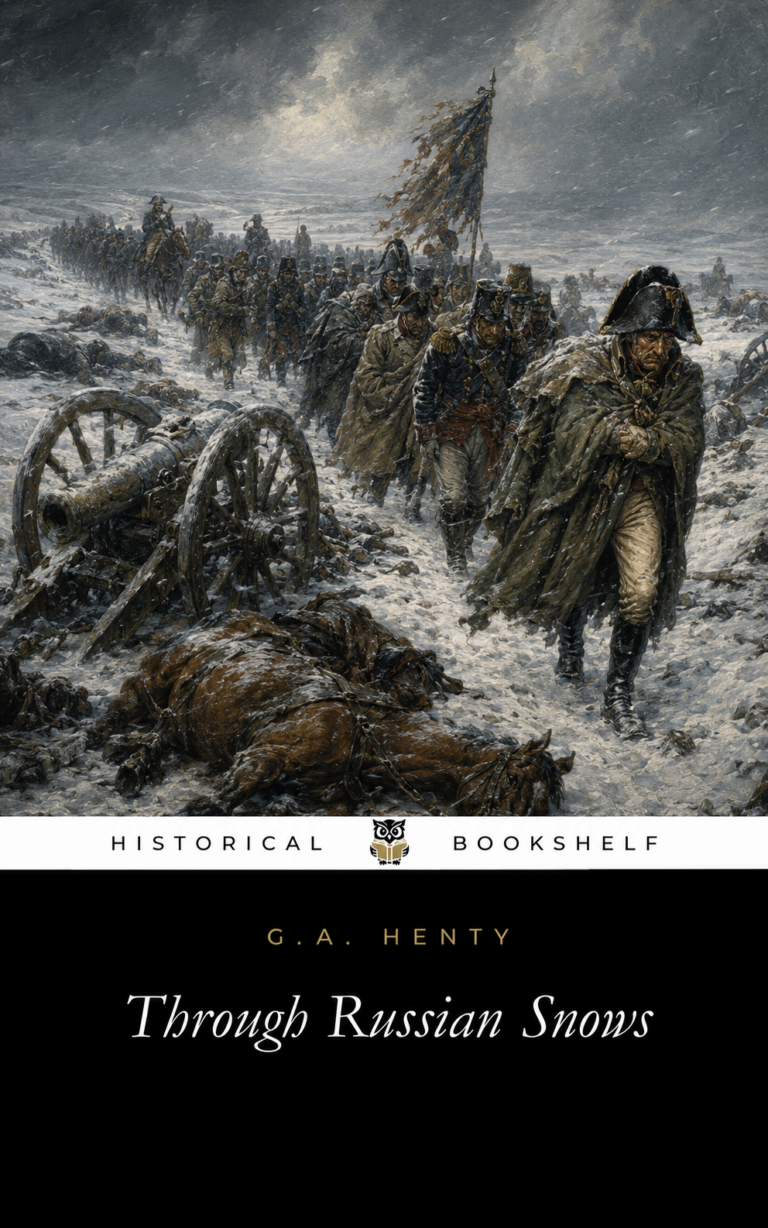
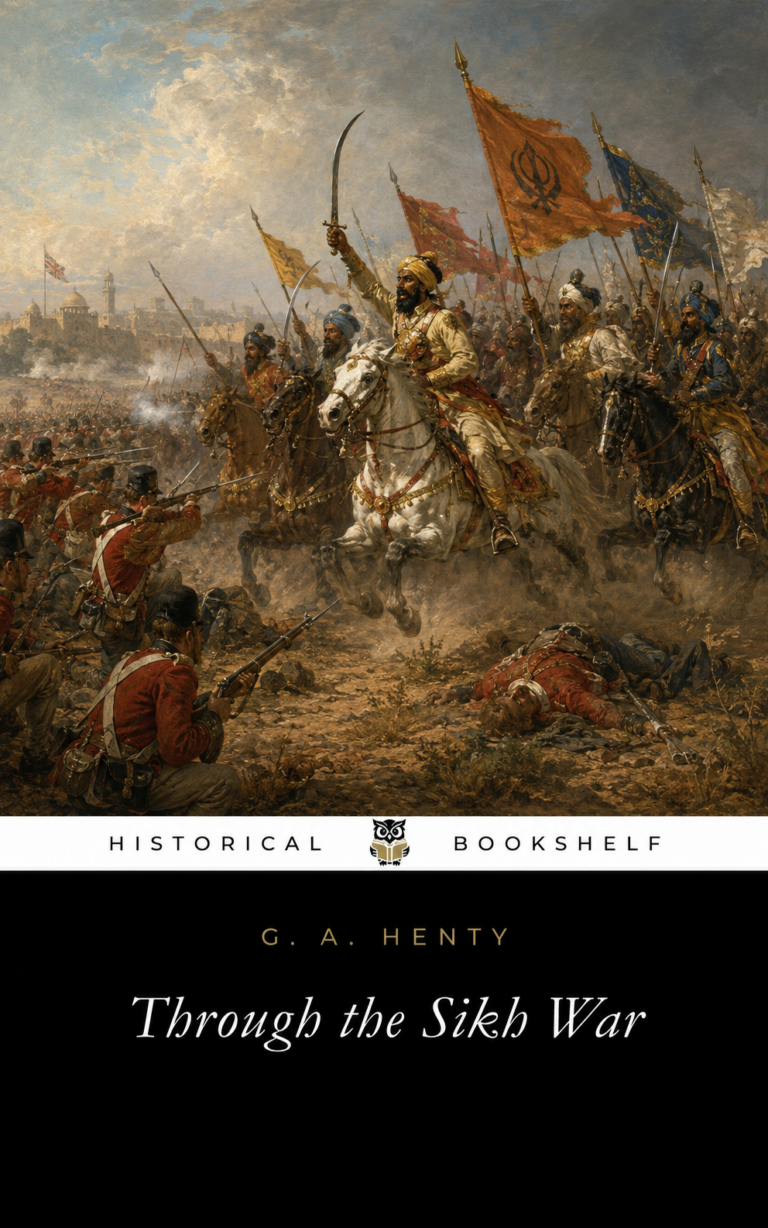
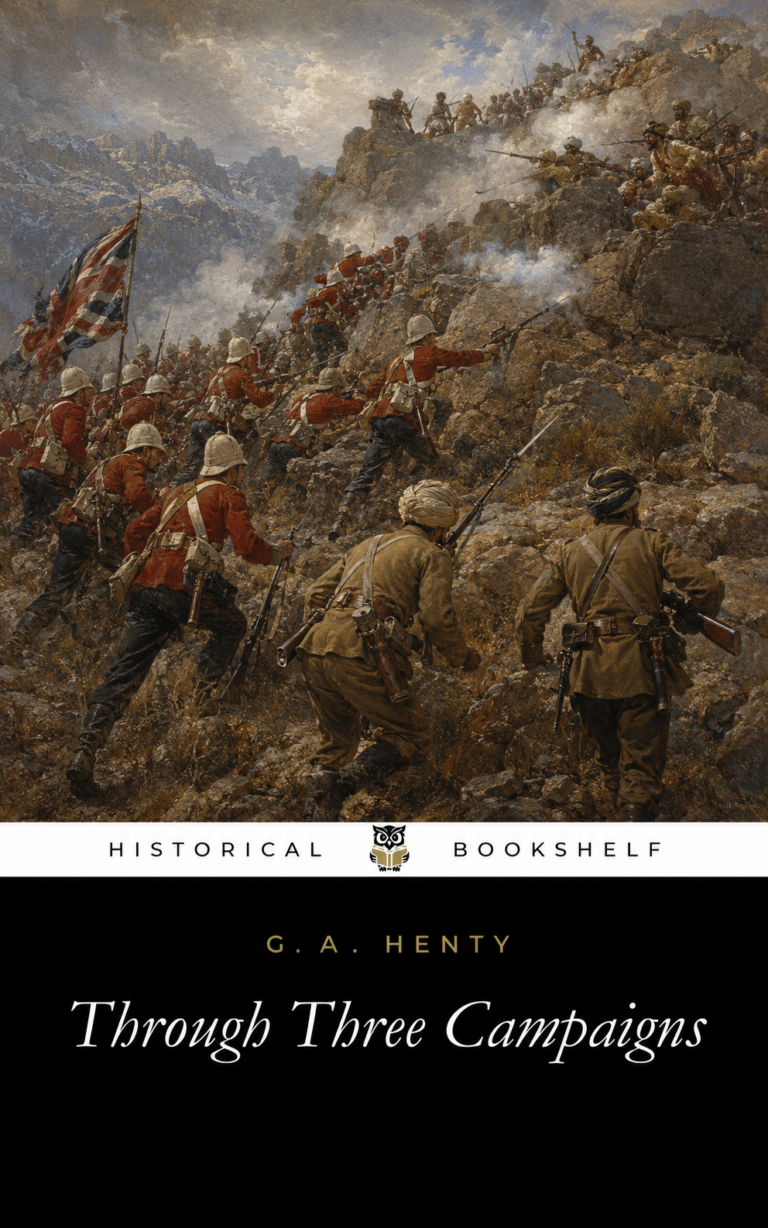
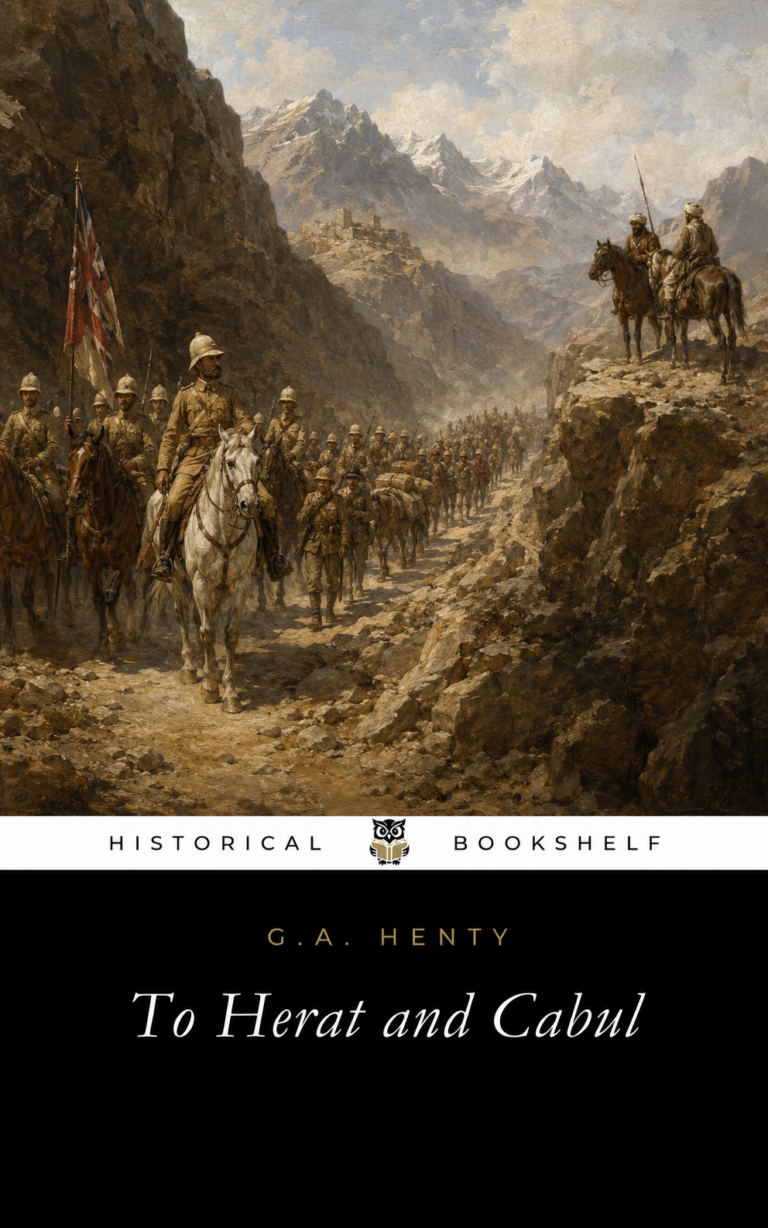
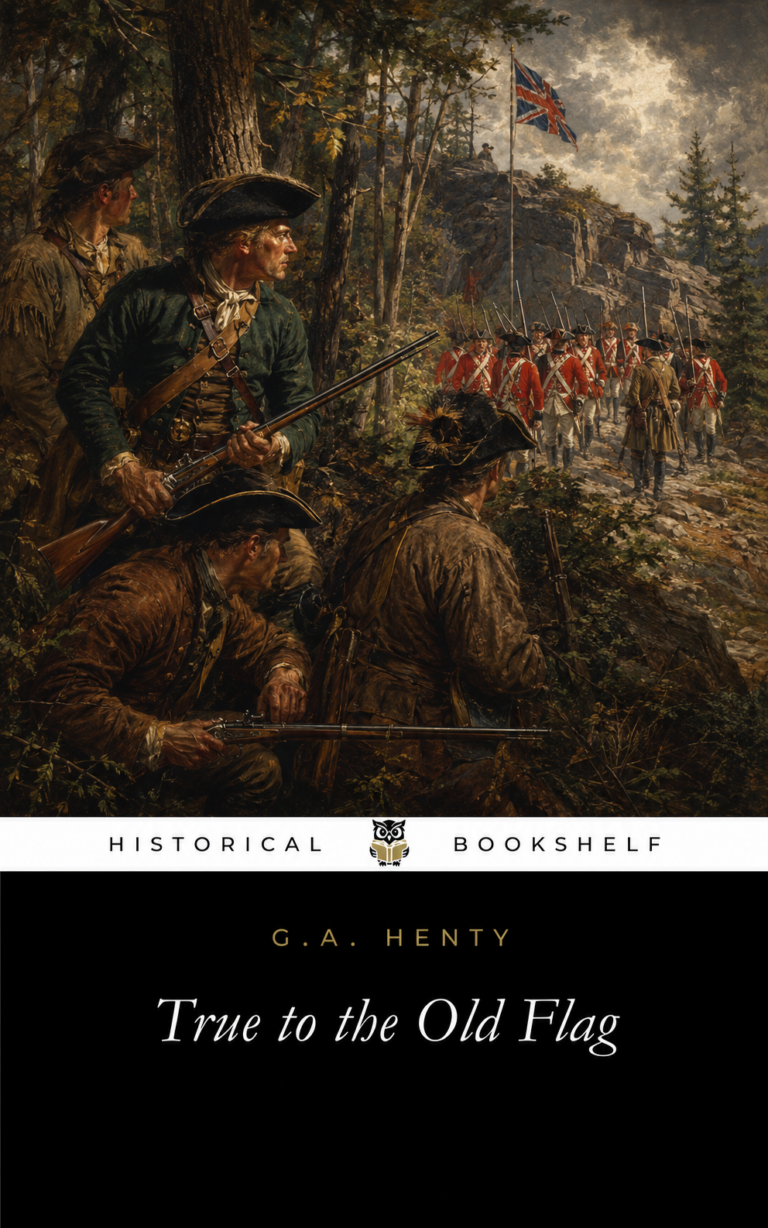
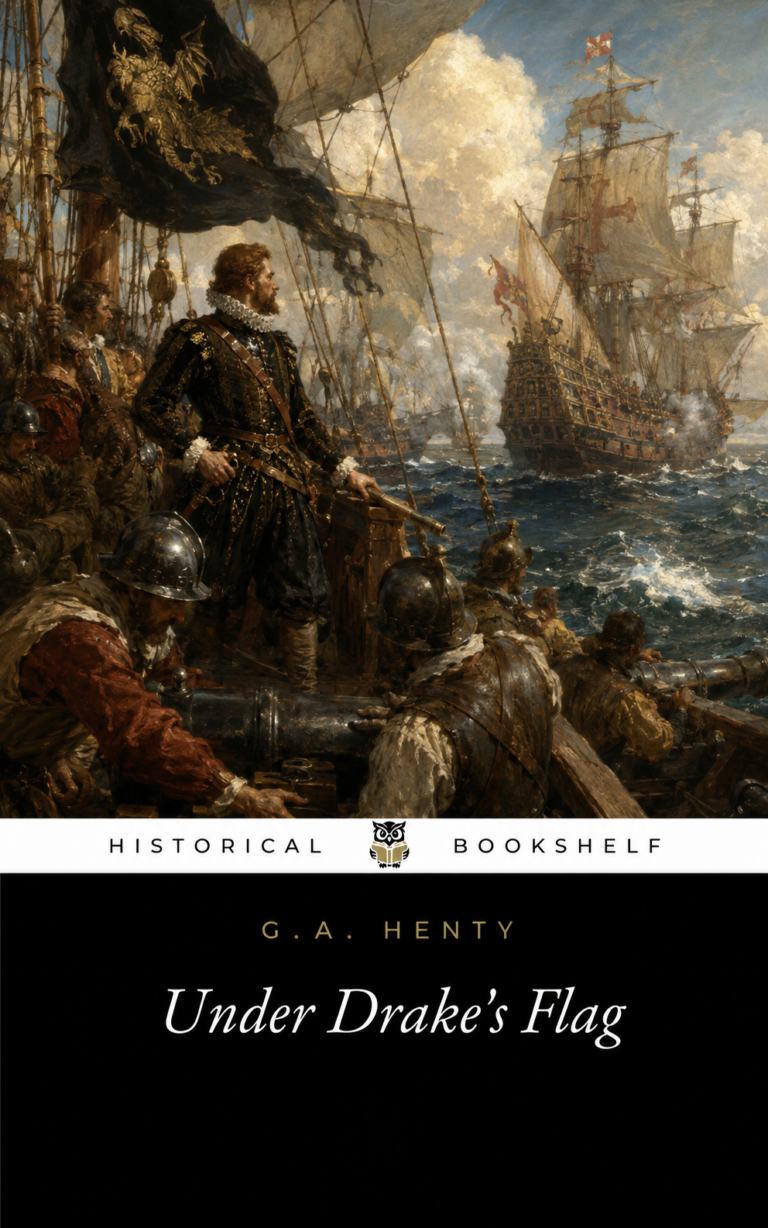
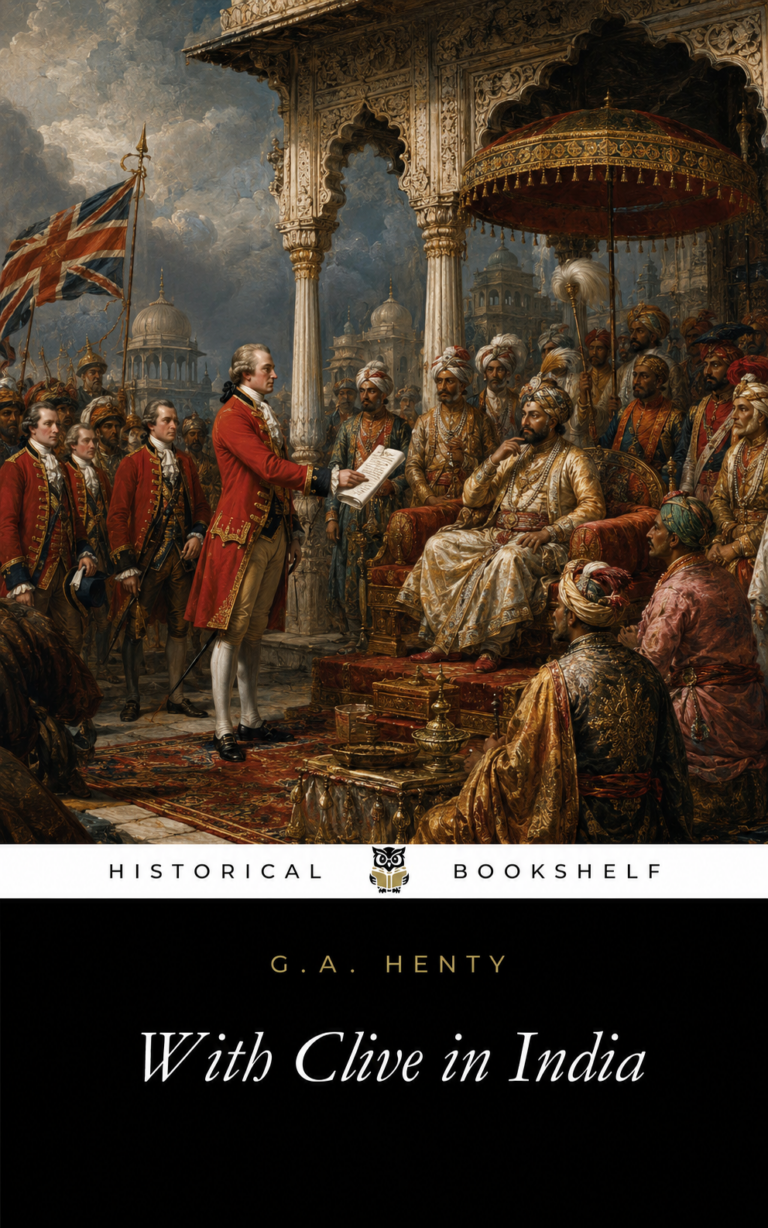
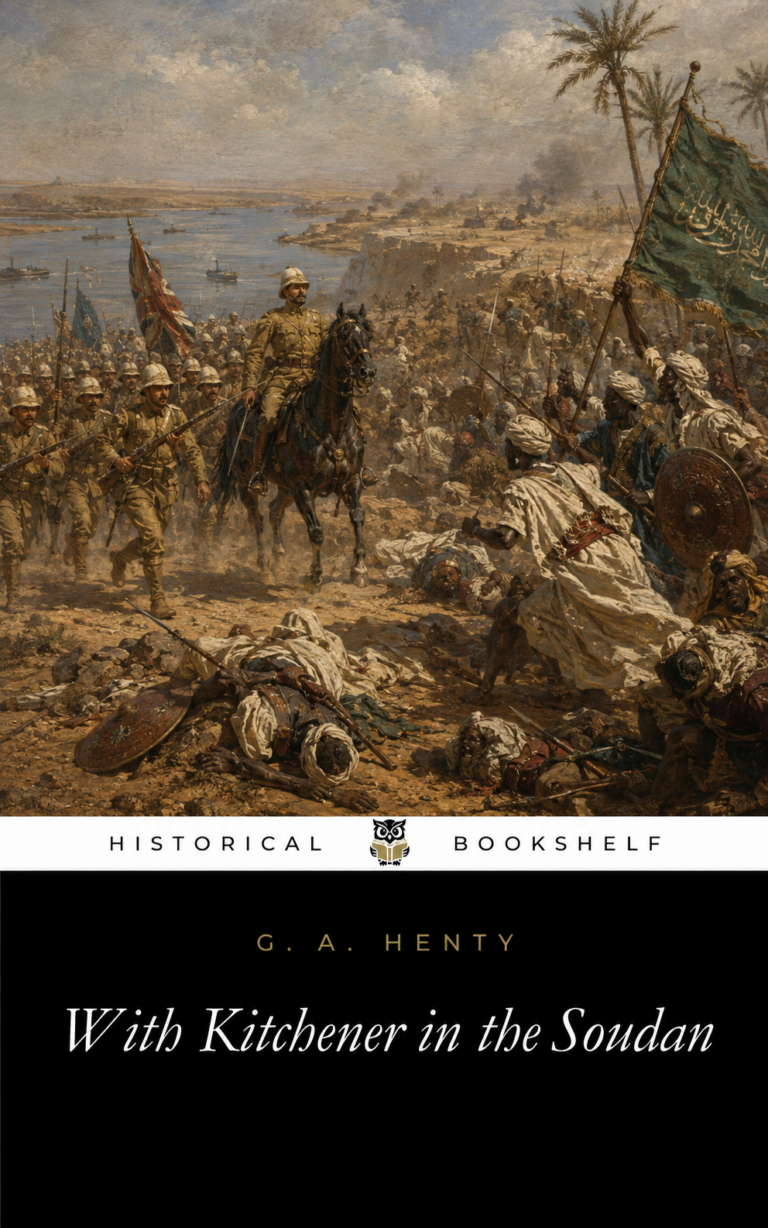
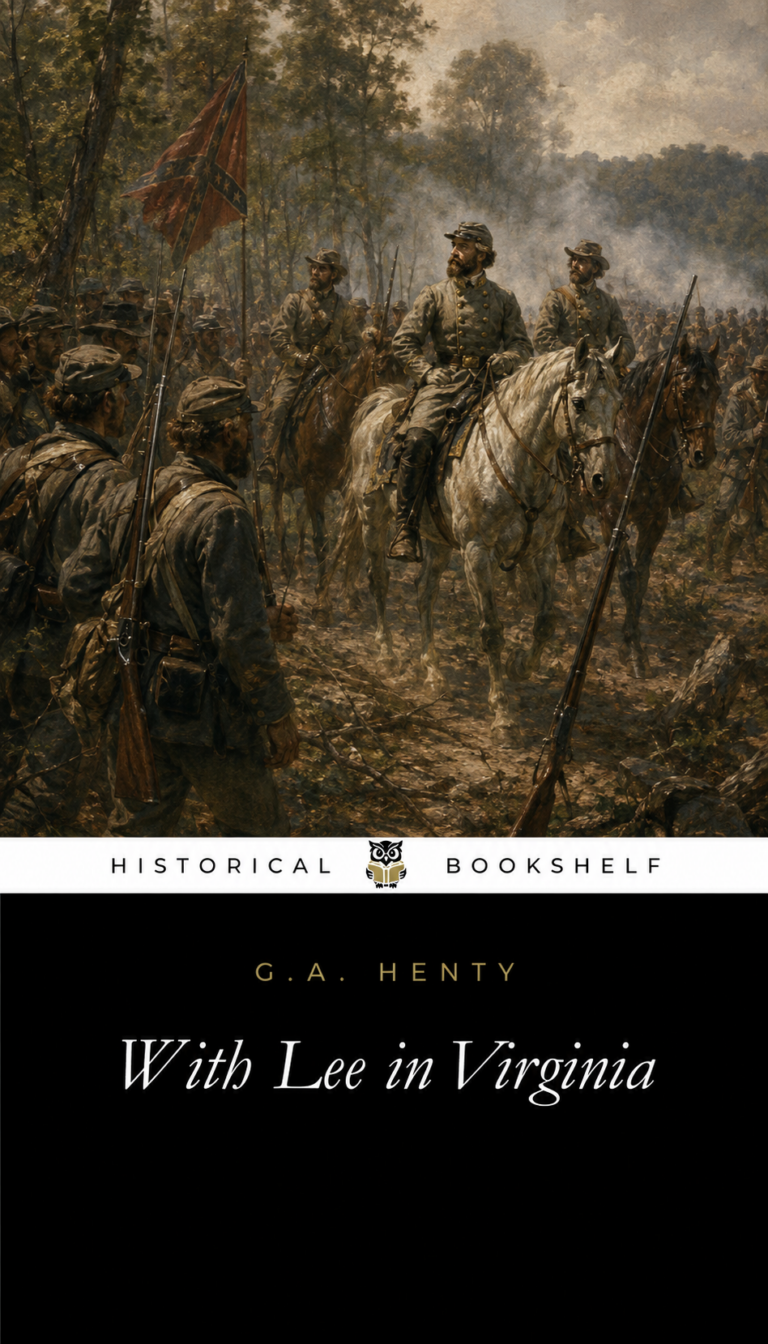
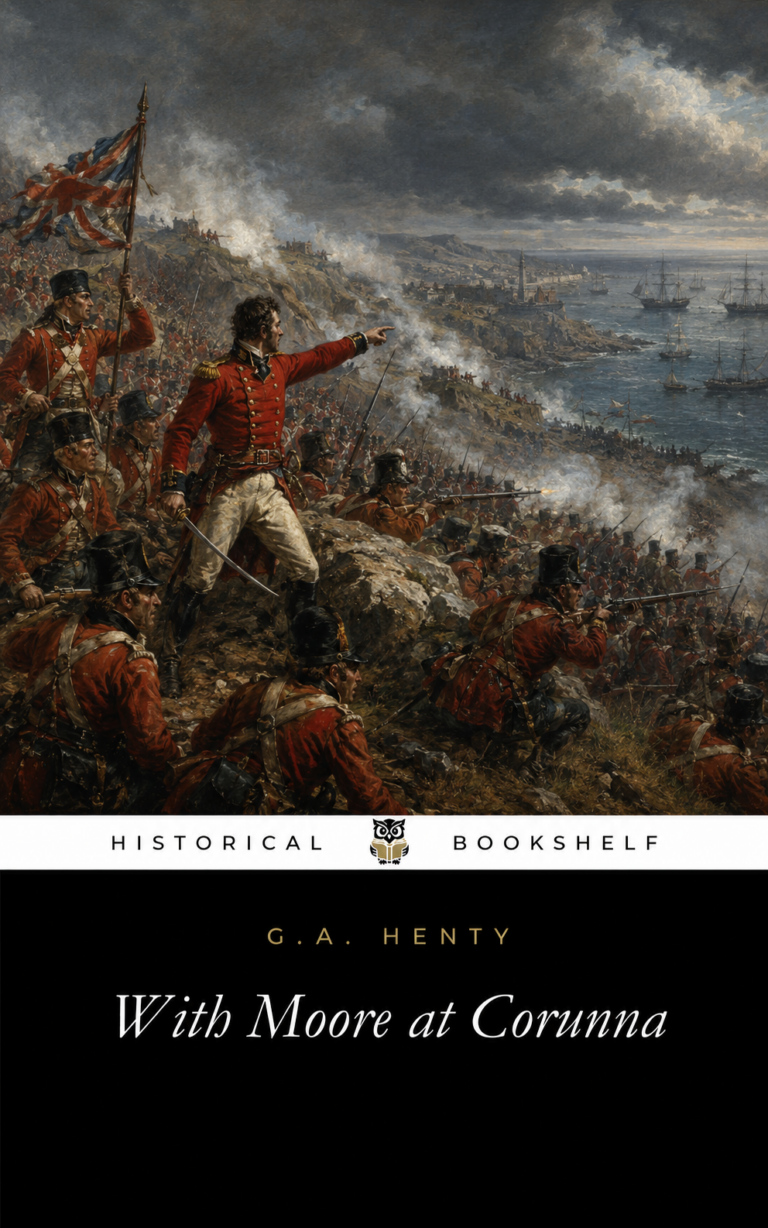
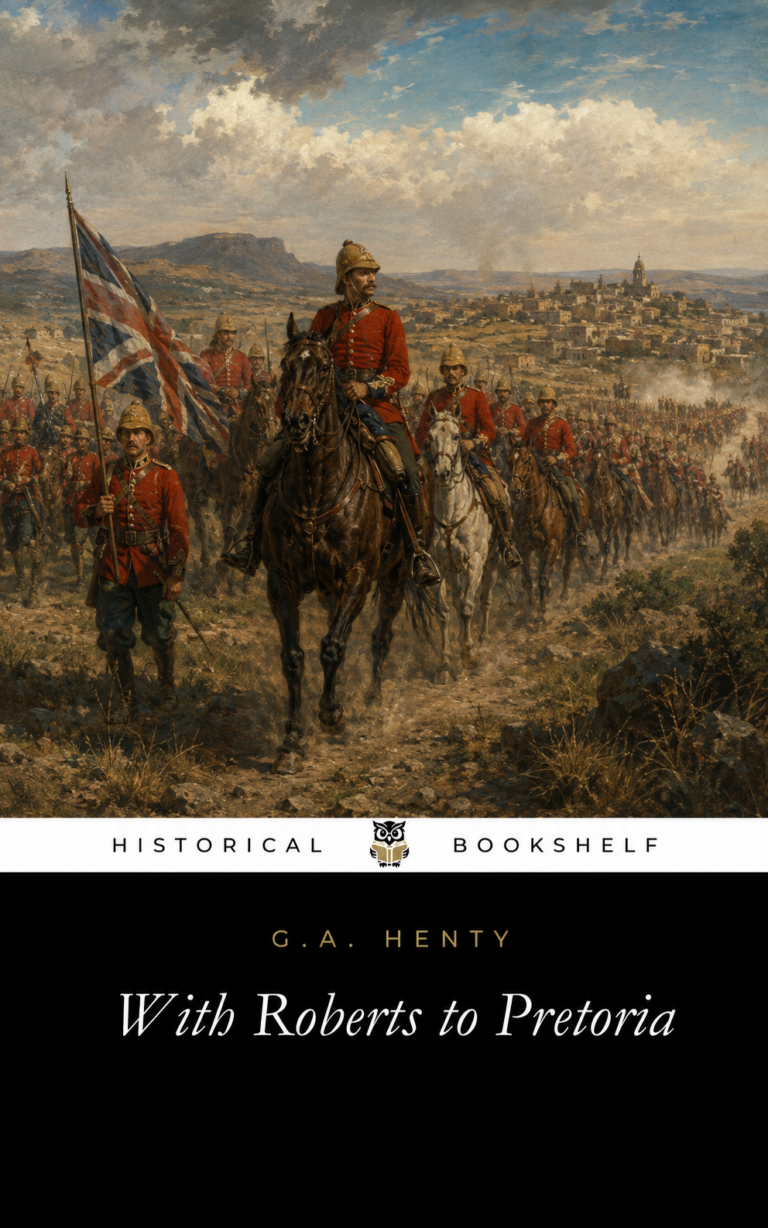
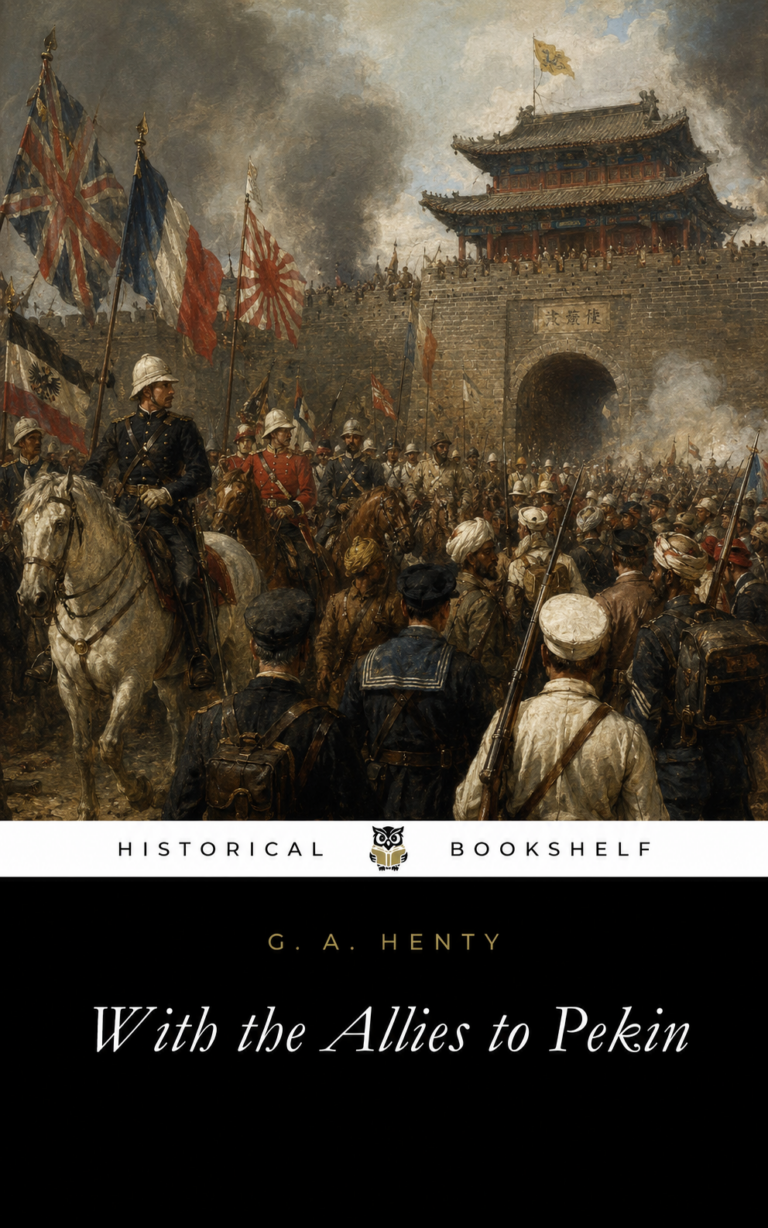
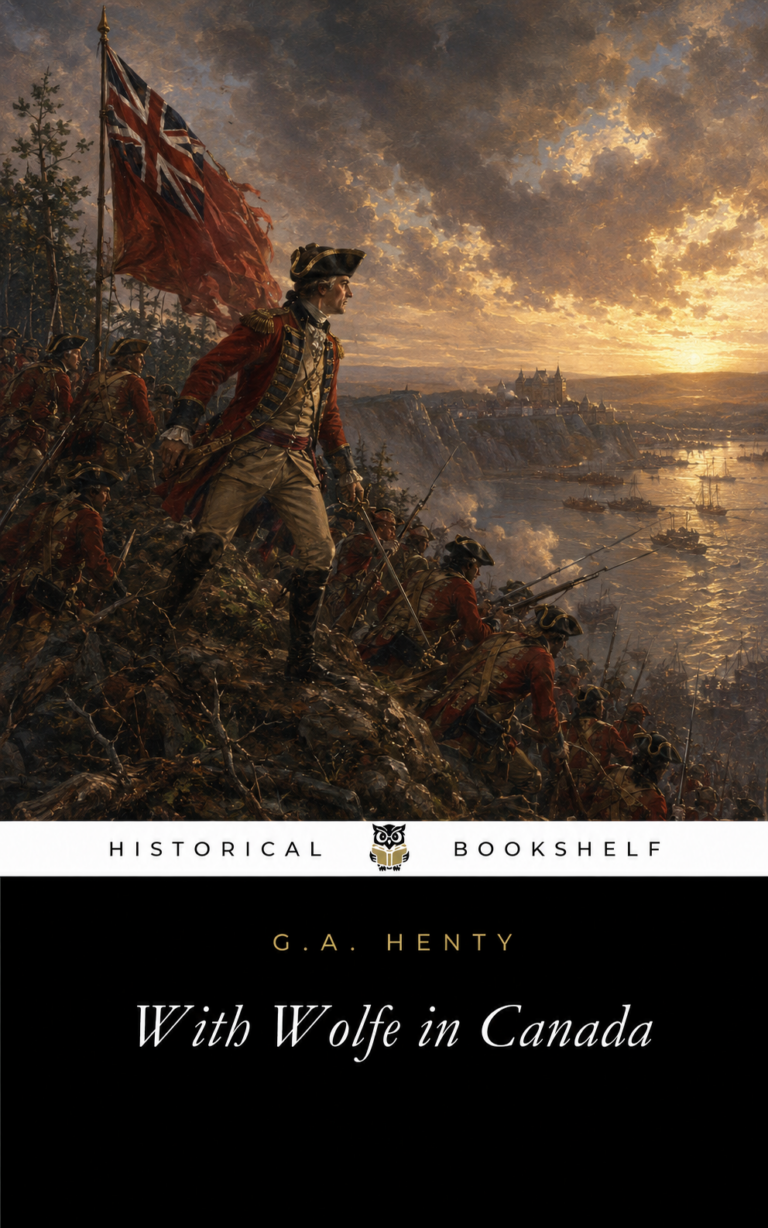
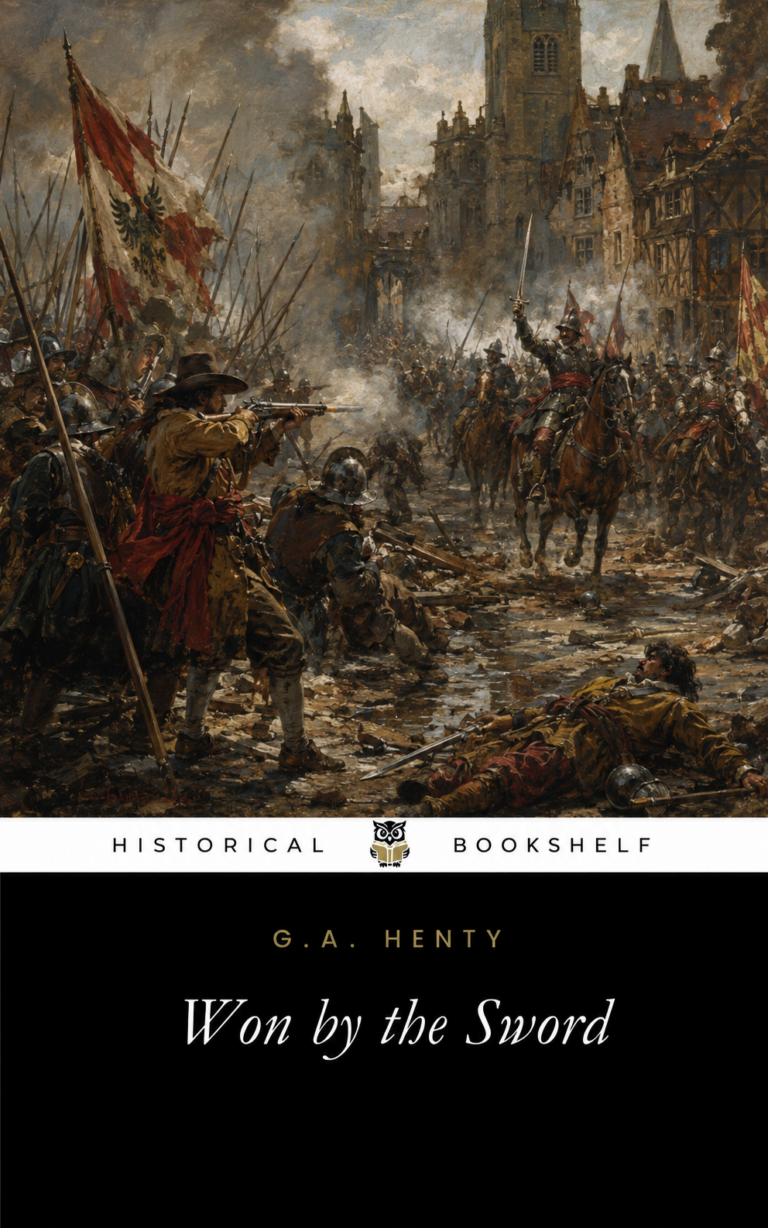
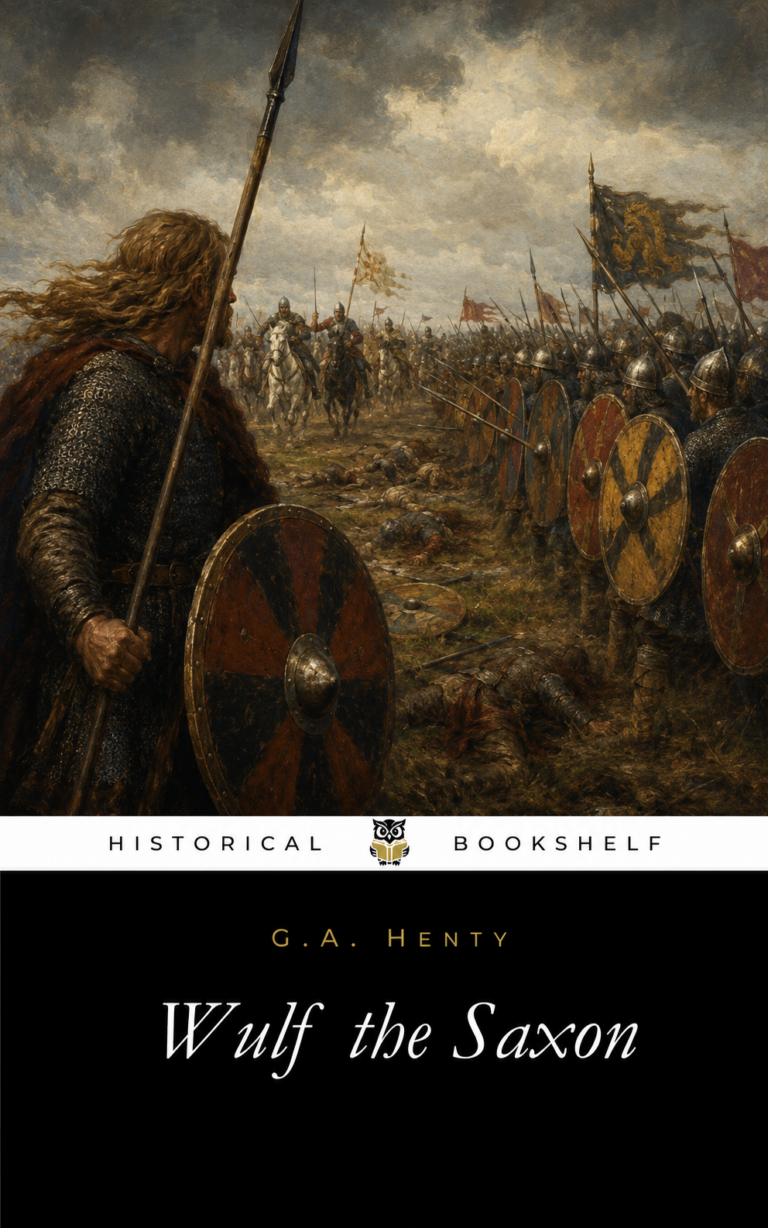
Henty’s historical novels range across an unusually broad sweep of history, normally placing a fictional young hero close to major battles and famous historical figures. The Young Carthaginian is set during the Second Punic War; The Dragon and the Raven during the Viking invasions of Anglo-Saxon England; Wulf the Saxon culminates in the Norman Conquest and Battle of Hastings; In Freedom’s Cause follows William Wallace and Robert the Bruce; St. George for England and At Agincourt explore the Hundred Years’ War; and By Pike and Dyke deals with the Dutch Revolt. His later-period adventures include The Cornet of Horse during Marlborough’s campaigns, With Clive in India during the expansion of East India Company power in eighteenth-century India, With Wolfe in Canada during the Seven Years’ War, and numerous books set during the French Revolutionary and Napoleonic Wars, the American Civil War, colonial Africa and nineteenth-century imperial campaigns.
Henty’s books remain useful examples of Victorian historical adventure, but their treatment of empire, race and Indigenous peoples often reflects the strongly imperialist assumptions of late nineteenth-century Britain and needs to be understood in that context.

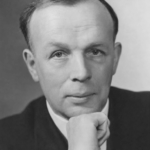 Geoffrey Trease
44 books
Geoffrey Trease
44 books
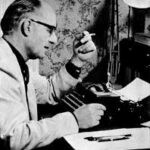 Henry Treece
35 books
Henry Treece
35 books
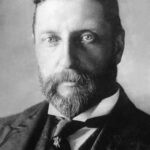 H. Rider Haggard
55 books
H. Rider Haggard
55 books
 Christopher Nicole
49 books
Christopher Nicole
49 books
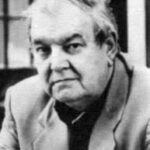 George MacDonald Fraser
17 books
George MacDonald Fraser
17 books