As an Amazon Associate, I earn from qualifying purchases. This means if you click on a link and make a purchase, I may receive a small commission at no extra cost to you.

Home / Historical Periods / Punic Wars / Second Punic War

War

Second Punic War

218–201 BCE

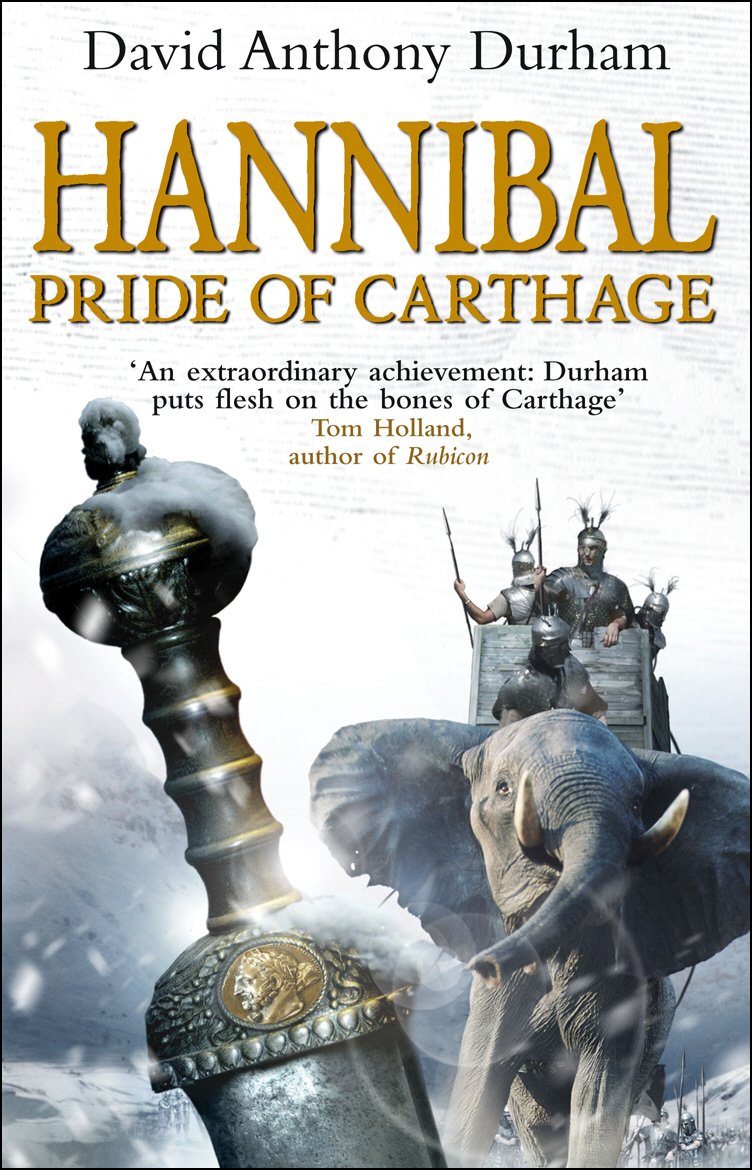
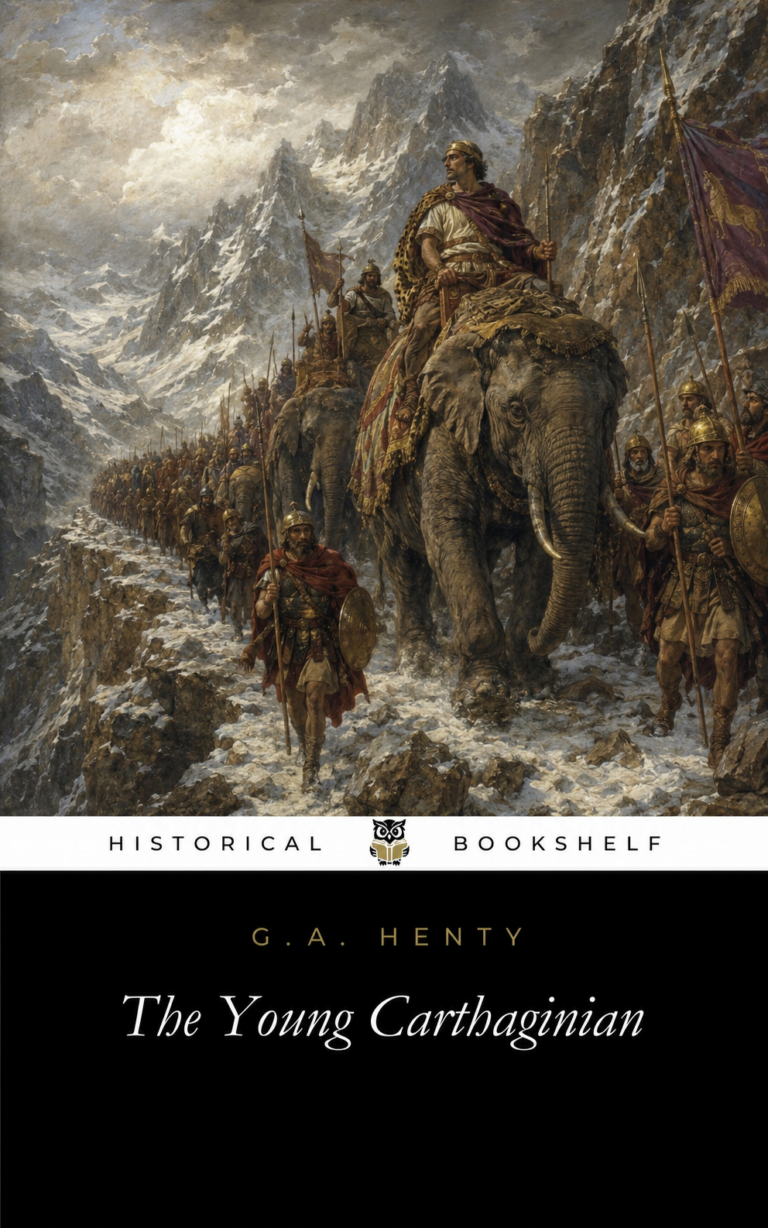
The Second Punic War began in 218 BC when Hannibal crossed the Alps into Italy with an army that included war elephants. He inflicted devastating defeats on Rome at Trebia, Lake Trasimene, and Cannae, and remained a threat in Italy for years. Rome survived through manpower, alliances, caution, and eventually counterattack in Spain and Africa.

This war mattered because it was one of the greatest crises in Roman history. Rome came close to losing its position in Italy, yet its alliance system held better than Hannibal hoped. The final victory over Carthage confirmed Rome as the leading power in the western Mediterranean and elevated figures such as Scipio Africanus.

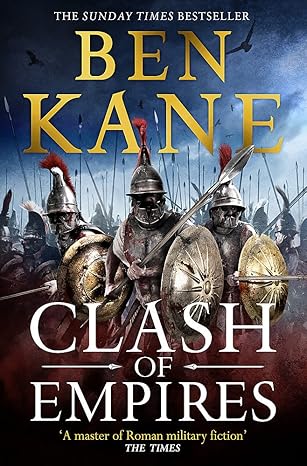
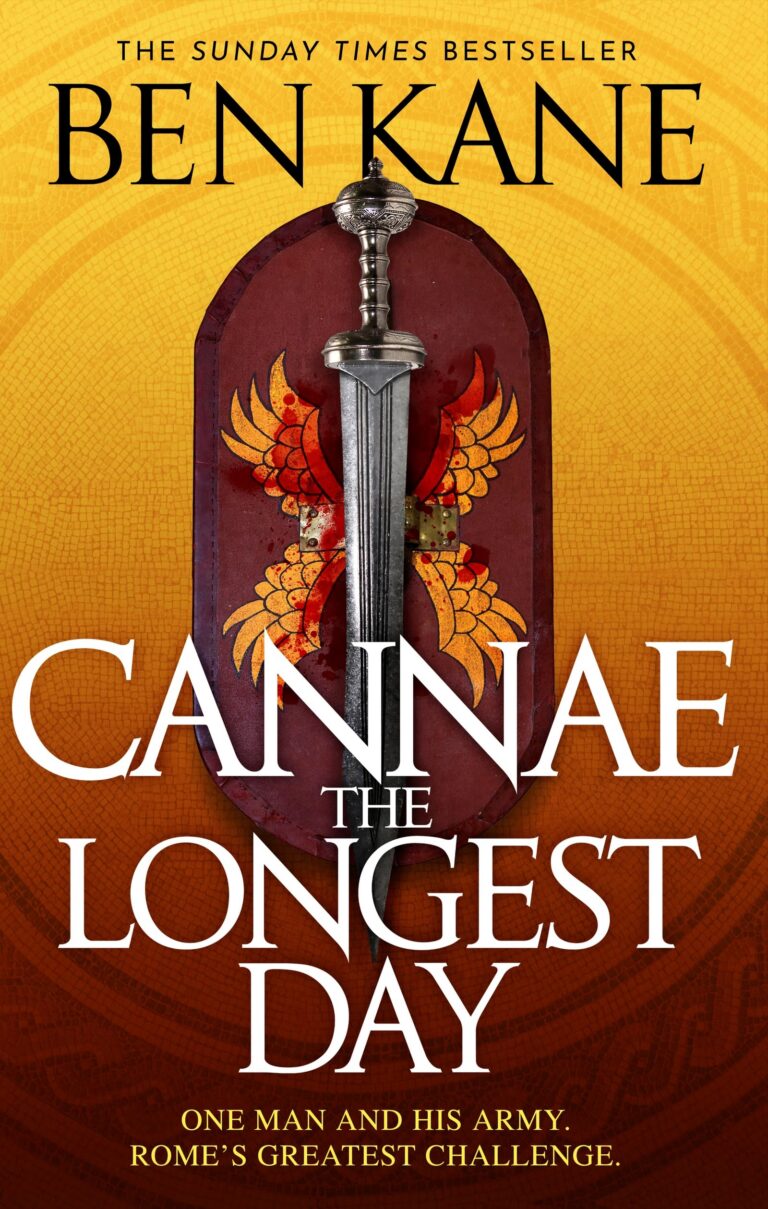
The Second Punic War is one of the most important Roman settings for historical fiction. Ben Kane’s Hannibal series is directly relevant, especially for readers interested in Hannibal, Cannae, Scipio, and the experience of soldiers on both sides. The war also works well beside wider Roman Republic fiction by Colleen McCullough and Steven Saylor because it reshaped Roman politics, memory, military identity, and the scale of Roman ambition.

Related people for Second Punic War

Series

Series about Second Punic War (1 series)

Hannibal in Order

by Ben Kane 4 books 4.4

The Hannibal series follows Roman and Carthaginian characters whose loyalties and friendships are tested by the Second Punic War. Its story ranges across Italy, Sicily and Hispania as Hannibal's campaigns threaten the Roman Republic and the conflict draws ordinary soldiers and families into sieges, marches and major battles.…

Books

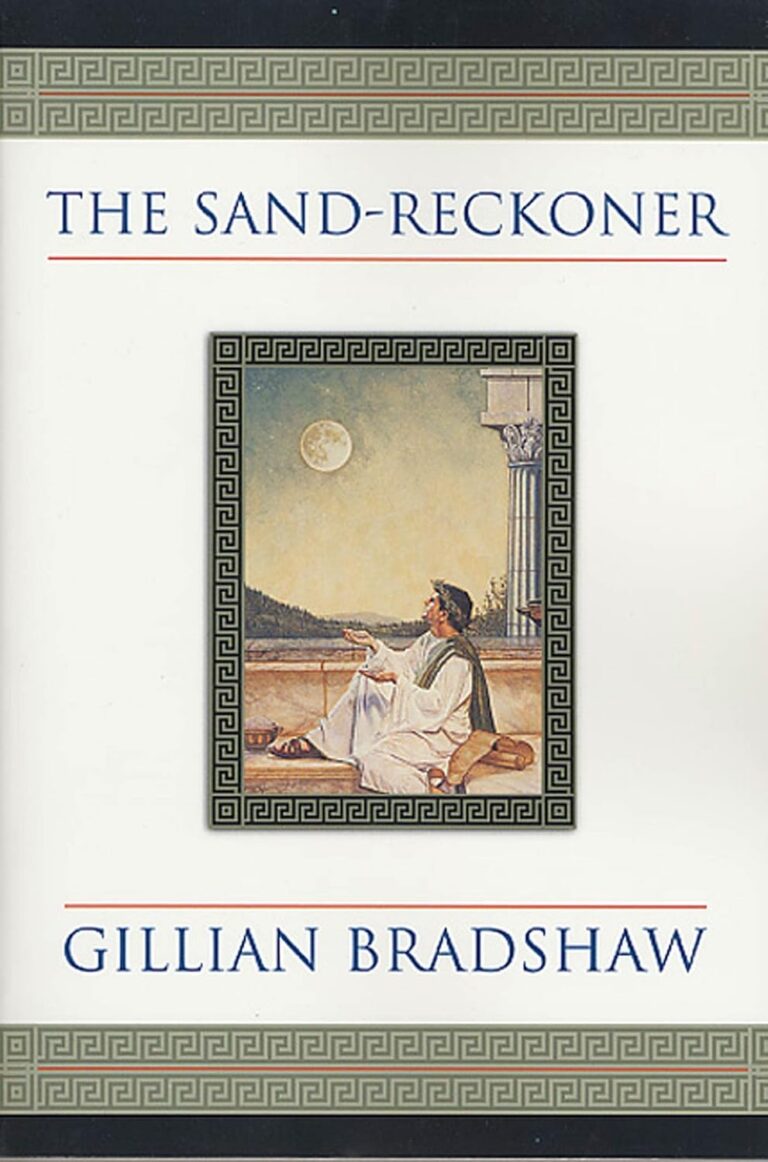
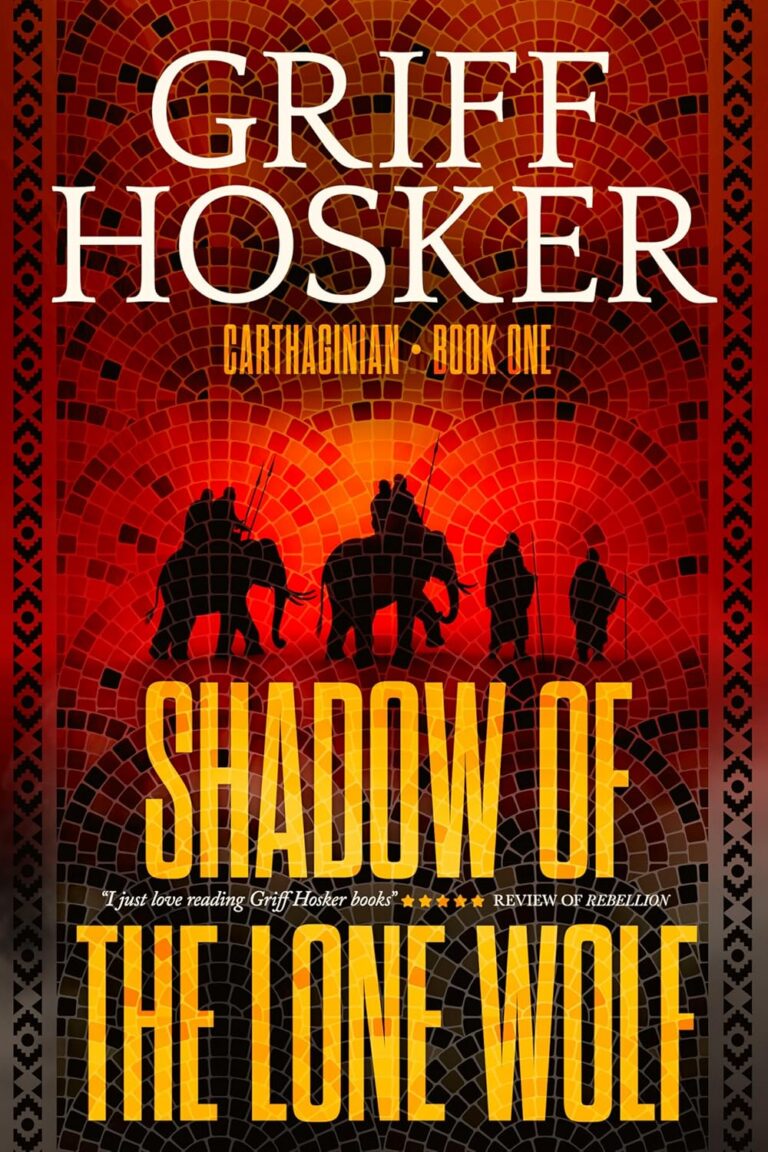
5 Best Novels About the Second Punic War

Bestselling authors first, then star rating.

Non Fiction

4 Non-Fiction Books About the Second Punic War

Histories, biographies and reference works are listed separately from the historical novels above.