Scipio Aemilianus was a Roman general and statesman best known for destroying Carthage in 146 BC and later taking Numantia in Spain. Adopted into the Scipionic family, he became a central figure in the politics and military expansion of the middle Republic.
Scipio Aemilianus also held the offices or ranks of Roman censor, Roman consul, proconsul, and military tribune. Scipio Aemilianus belonged to the Cornelii Scipiones and operated within Ancient Rome. Scipio Aemilianus was born in Ancient Rome and died in Rome.
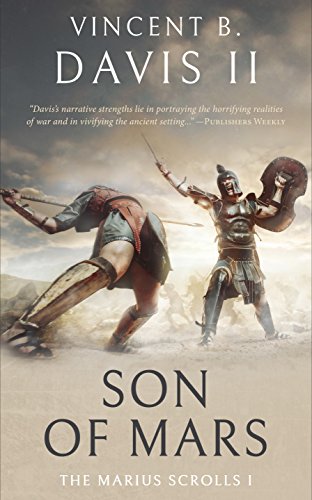
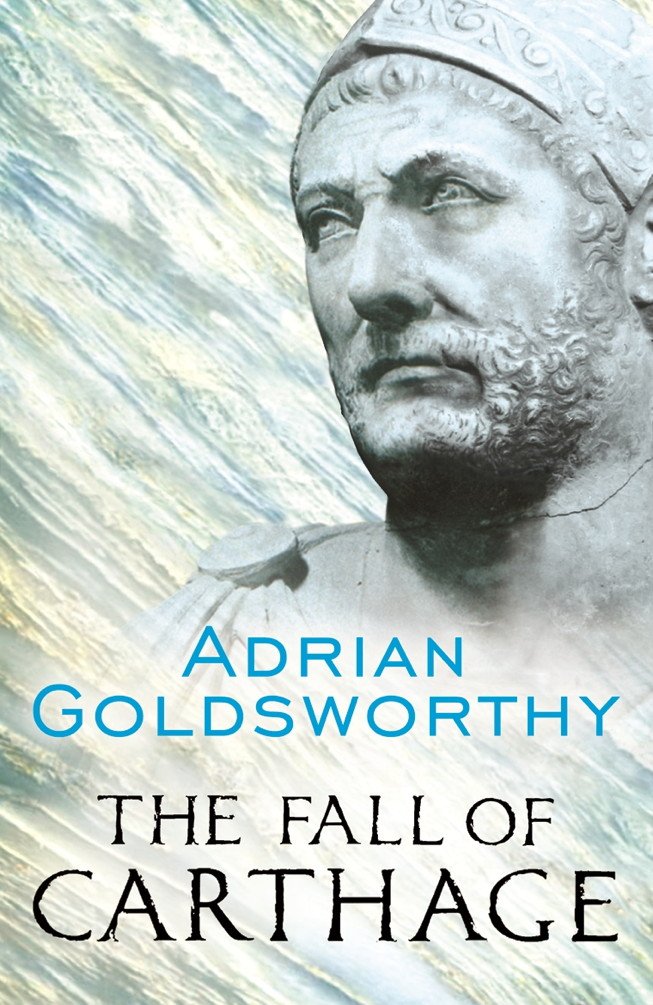
Vincent B. Davis II’s Son of Mars places the young Gaius Marius under Scipio Aemilianus during the Numantine War, where Scipio’s restoration of discipline and reduction of Numantia provide the military school in which Marius begins to make his name. Blood in the Forum moves to Rome in 133 BCE, the same year Numantia falls and Tiberius Gracchus’s reform programme ends in political killing; Scipio’s prestige and opposition to the Gracchan movement belong to the tense senatorial world surrounding that crisis even when Marius remains the fictional focus. Adrian Goldsworthy’s The Fall of Carthage treats Scipio directly as the Roman commander who completes the destruction of Carthage in 146 BCE, setting that victory within the long strategic contest of the Punic Wars.