Robert the Bruce was king of Scots from 1306 to 1329 and the central royal figure in Scotland’s war of independence. His victory at Bannockburn in 1314 and long struggle against English power made him a foundational figure in Scottish history.
Robert the Bruce also held the offices or ranks of count, monarch of Scotland, and Earl of Carrick. Robert the Bruce belonged to the Clan Bruce and operated within Kingdom of Scotland. Robert the Bruce was born in Turnberry Castle and died in Cardross.
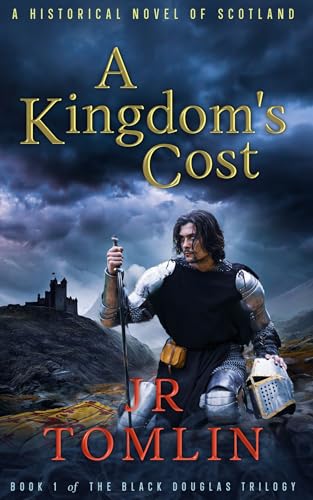
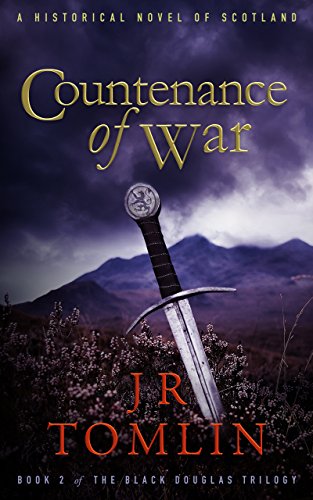
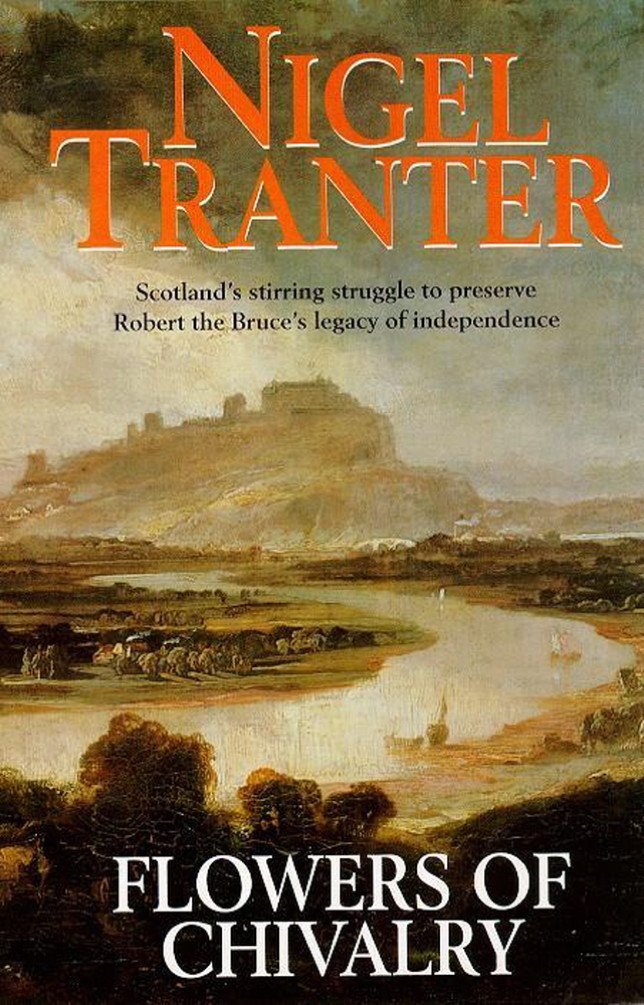
J. R. Tomlin’s A Kingdom’s Cost follows James Douglas into Robert the Bruce’s service immediately after Bruce claims the Scottish crown, making the king’s defeats, flight and recovery the framework in which Douglas becomes a guerrilla commander. Countenance of War continues that partnership as Douglas’s raids and castle attacks become essential to Bruce’s survival against renewed English invasion, while Fate of Kings shows Bruce trying to convert Bannockburn into lasting recognition and supporting his brother Edward’s Irish venture. G. A. Henty’s In Freedom's Cause places fictional adventurers alongside both Wallace and Bruce during the Wars of Scottish Independence. In Nigel Tranter’s Flowers of Chivalry, Bruce is already dead, but the entire struggle is defined by the fragile inheritance he leaves to the child David II and by the effort to preserve the independence his reign secured.