
1. Henry VIII (Penguin Monarchs)
John Guy presents Henry VIII as a ruler whose pursuit of fame, dynastic security and a male heir transformed Tudor England. The book follows him from a celebrated Renaissance prince to an increasingly suspicious and isolated king, showing how his ambitions reshaped government, diplomacy and the…
2. Charles I (Penguin Monarchs)
Mark Kishlansky reassesses Charles I through the conflicts that destroyed his authority and brought monarchy to temporary collapse. The biography follows the king’s ideas of sacred rule, his difficult dealings with Parliament and his attempts to govern three kingdoms with different religious and political traditions. Rather…
3. George V (Penguin Monarchs)
David Cannadine examines how George V, a younger son never expected to inherit, became the monarch who guided the crown through the upheavals of the early twentieth century. His reign encompassed constitutional disputes, the First World War, Irish revolution, labour unrest and the collapse of Europe’s…
4. George VI (Penguin Monarchs)
Philip Ziegler portrays George VI as a reluctant sovereign whose accession followed his brother’s abdication and whose reign was dominated by war. The biography traces his struggle with public speaking, his dependence on his wife Elizabeth and his determination to meet the obligations suddenly placed upon…
5. Edward VI (Penguin Monarchs)
Stephen Alford reconstructs the short reign of Edward VI, who inherited the throne at nine and died before reaching adulthood. The book examines the councils and powerful nobles who governed in his name, while treating Edward as an increasingly active participant rather than merely a passive…
6. Victoria (Penguin Monarchs)
Jane Ridley presents Victoria as sovereign, wife, mother and empress across a reign that became synonymous with nineteenth-century Britain. The biography follows her sheltered upbringing, difficult accession, political education and intense marriage to Prince Albert, as well as the family tensions that shaped her private life.…
7. James II (Penguin Monarchs)
David Womersley studies James II as the last Catholic monarch of England, Scotland and Ireland. The book follows his military career, succession in 1685 and early strength after defeating rebellion, before turning to the policies that rapidly alienated political and religious allies. James’s effort to secure…
8. William III & Mary II (Penguin Monarchs)
Jonathan Keates tells the story of William III and Mary II as joint monarchs created by the Revolution of 1688. The book traces their marriage, political partnership and contrasting temperaments, placing their rule within the struggle against James II and the wider European conflict with Louis…
9. Henry II (Penguin Monarchs)
Richard Barber portrays Henry II as an energetic ruler who built a vast cross-Channel dominion and restored royal power after the Anarchy. The book follows his administration of England, his legal reforms and his efforts to control a family empire stretching from the Scottish border to…
10. William IV (Penguin Monarchs)
Roger Knight examines William IV, the former naval officer who became king late in life and reigned during a decisive constitutional crisis. The biography follows his unconventional domestic life, his years as Duke of Clarence and his often erratic attempts to exercise royal influence. The Reform…
11. William II (Penguin Monarchs)
John Gillingham reassesses William II, the Conqueror’s third son, whose forceful rule earned him the name Rufus. The book examines his control of England, campaigns in Normandy and Scotland, relations with the Church and reputation for a court culture that later chroniclers condemned. William’s death from…
12. Elizabeth II (Penguin Monarchs)
Douglas Hurd considers Elizabeth II’s exceptionally long reign through the principle of steadfast service. The book follows her unexpected path to the throne, her apprenticeship during the Second World War and her adaptation to decolonisation, social change, television and the increasingly public scrutiny of the royal…
13. Stephen (Penguin Monarchs)
Carl Watkins examines Stephen’s contested kingship and the civil conflict traditionally known as the Anarchy. The biography follows his seizure of the throne after Henry I’s death, the rival claim of Empress Matilda and the shifting loyalties of magnates who repeatedly changed the balance of power.…
14. Henry V (Penguin Monarchs)
Anne Curry follows Henry V from a politically troubled prince to the most celebrated warrior king of medieval England. The book examines his difficult relationship with Henry IV, his accession, religious severity and determination to restore royal authority before renewing England’s claim to the French crown.…
15. Richard II (Penguin Monarchs)
Laura Ashe presents Richard II as a king of artistic splendour, elevated ideas of monarchy and profound political insecurity. The biography follows his childhood accession, his response to the Peasants’ Revolt and his struggle to free himself from the magnates who attempted to control his government.…
16. Edward VII (Penguin Monarchs)
Richard Davenport-Hines portrays Edward VII as a cosmopolitan prince who waited almost sixty years to become king. The book follows his strained relationship with Queen Victoria, his extensive social world, scandals and diplomatic contacts, showing how his long apprenticeship gave him an unusual knowledge of European…
17. Charles II (Penguin Monarchs)
Clare Jackson examines Charles II as a survivor of civil war, execution, exile and restoration. The biography follows his political education abroad, his return in 1660 and the challenge of rebuilding monarchy after republican rule without reopening the conflicts that had destroyed his father. Charles governed…
18. Edward VIII (Penguin Monarchs)
Piers Brendon studies Edward VIII as a king defined by the throne he surrendered. The book traces his popularity as Prince of Wales, unease with royal routine, political indiscretions and relationship with Wallis Simpson, placing the abdication within the conventions and pressures of the 1930s monarchy.…
19. Edward III (Penguin Monarchs)
Jonathan Sumption assesses Edward III as a formidable war leader whose reign brought both military glory and lasting burdens. The biography follows his overthrow of Roger Mortimer’s regime, consolidation of royal authority and pursuit of a claim to the French throne that opened the Hundred Years’…
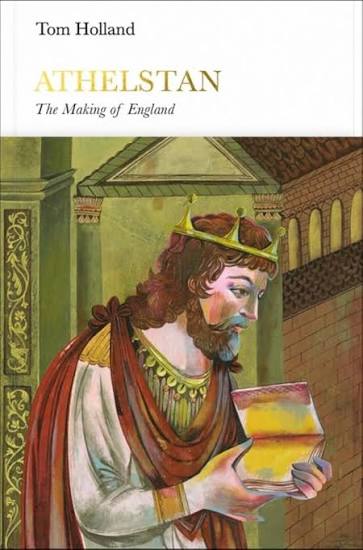
20. Athelstan (Penguin Monarchs)
Tom Holland places Æthelstan at the centre of the making of England. The book follows the grandson of Alfred the Great as he united the Anglo-Saxon kingdoms, extended power into Northumbria and claimed an authority that reached beyond England to the wider British Isles. Æthelstan’s victory…
21. Edward IV (Penguin Monarchs)
A. J. Pollard examines Edward IV as the young Yorkist commander who seized the throne during the Wars of the Roses. The biography follows his early victories, conflict with the Earl of Warwick, temporary deposition and return to power, after which he established a more stable…
22. William I (Penguin Monarchs)
Marc Morris presents William the Conqueror as both a formidable medieval ruler and the architect of a political transformation unprecedented in English history. The biography follows William’s insecure childhood in Normandy, his consolidation of ducal authority, his disputed claim to the English throne and the preparations…
23. Edward II (Penguin Monarchs)
Christopher Given-Wilson examines Edward II as a king whose favourites, military failures and conflicts with the nobility destroyed his authority. The biography follows his relationship with Piers Gaveston, defeat at Bannockburn and the later dominance of Hugh Despenser. Edward’s reign exposed the dangers faced by a…
24. Mary I (Penguin Monarchs)
John Edwards portrays Mary I as a ruler formed by the trauma of her parents’ marriage and Henry VIII’s religious revolution. The book follows her resistance to Edward VI’s Protestant settlement, successful seizure of the throne in 1553 and determination to restore Catholic worship. Mary’s marriage…
25. Edward I (Penguin Monarchs)
Andy King examines Edward I as a powerful medieval ruler who deliberately cultivated the image of a new King Arthur. The biography follows his crusading experience, legal and administrative reforms, use of Parliament and determination to assert royal authority across Britain. Edward conquered Wales and fought…
26. Henry VI (Penguin Monarchs)
James Ross reassesses Henry VI, the child king who inherited the crowns of England and France but lost both political control and most of his continental inheritance. The biography follows his piety, dependence on favourites and inability to manage rival factions at court. Defeat in the…
27. Henry III (Penguin Monarchs)
Stephen Church studies Henry III’s long reign as a period in which English government and Parliament were fundamentally reshaped. The biography follows the king from a minority after civil war through ambitious continental policies, costly patronage and repeated disputes over taxation and foreign advisers. Henry’s conflict…
28. Oliver Cromwell (Penguin Monarchs)
David Horspool examines Oliver Cromwell as soldier, revolutionary and Lord Protector, a ruler who occupied a place usually reserved for monarchs. The book follows his rise during the Civil Wars, role in the trial of Charles I, campaigns in Ireland and Scotland and emergence as the…
29. James I (Penguin Monarchs)
Thomas Cogswell presents James VI and I as a learned and experienced Scottish king who inherited the English throne in 1603. The biography examines his vision of dynastic union, theories of monarchy and efforts to manage a court and Parliament far larger and more contentious than…
30. Cnut (Penguin Monarchs)
Ryan Lavelle reconstructs Cnut’s rise from Viking invader to ruler of a North Sea empire. The book follows the Danish conquest of England, Cnut’s defeat of Edmund Ironside and the combination of military force, marriage and political accommodation that secured his crown. As king of England,…
31. George I (Penguin Monarchs)
Tim Blanning explains how George I, Elector of Hanover, acquired the British throne through the Protestant succession in 1714. The biography follows a king often dismissed as foreign and uninterested, placing his rule within European diplomacy, dynastic responsibility and the aftermath of the Stuart succession crisis.…
32. Richard I (Penguin Monarchs)
Thomas Asbridge examines Richard I through the crusading warfare that made him one of the most famous medieval kings. The biography follows his rebellion against Henry II, rapid accession and decision to devote the resources of his kingdom to the Third Crusade. Richard’s campaigns against Saladin…
33. Elizabeth I (Penguin Monarchs)
Helen Castor portrays Elizabeth I as a monarch whose commanding public image concealed persistent insecurity. The book follows her dangerous childhood, precarious accession and efforts to govern a kingdom divided by religion, succession fears and international rivalry. Elizabeth used ceremony, ambiguity and personal control to preserve…
34. Henry I (Penguin Monarchs)
Edmund King examines Henry I, the youngest son of William the Conqueror, as the ruler who consolidated Anglo-Norman England. The biography follows his seizure of the crown, defeat of his brother Robert, development of royal administration and careful management of barons and the Church. The White…
35. Aethelred the Unready (Penguin Monarchs)
Richard Abels reconsiders Æthelred II, remembered as the ‘Unready’ king who failed to stop renewed Viking conquest. The biography follows a long reign of tribute payments, shifting military strategies, court faction and repeated attacks by Scandinavian armies. Abels places the king’s failures within the severe limits…
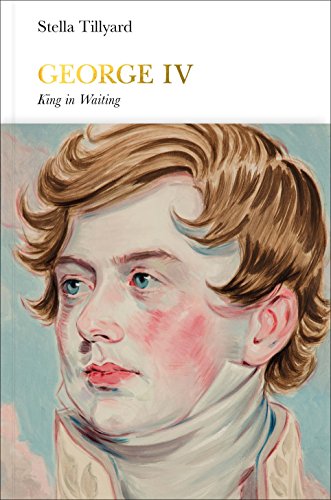
36. George IV (Penguin Monarchs)
Stella Tillyard portrays George IV as prince, regent and king, a man who spent most of his life waiting for the throne. The biography follows his rebellion against George III, vast debts, secret marriage, political manoeuvring and extravagant cultivation of art, architecture, fashion and ceremony. As…
37. John (Penguin Monarchs)
Nicholas Vincent examines King John beyond the familiar image of a tyrant forced to seal Magna Carta. The biography follows his loss of Normandy, quarrels with the Church, exploitation of royal finance and increasingly coercive government. Rebellion by the barons produced Magna Carta and a civil…
38. Richard III (Penguin Monarchs)
Rosemary Horrox presents Richard III as a skilled nobleman whose two-year reign ended the Yorkist dynasty. The biography follows his service to Edward IV, seizure of the throne after Edward’s death and the unresolved fate of the Princes in the Tower. Richard inspired both loyalty and…
39. George III (Penguin Monarchs)
Jeremy Black places George III within the crises of a sixty-year reign rather than reducing him to madness or the loss of America. The biography follows his efforts to restore active kingship, his relations with ministers and his response to imperial rebellion, domestic protest and political…
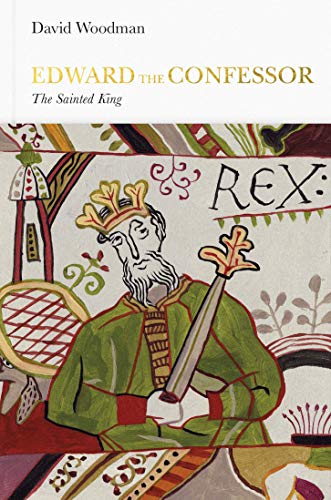
40. Edward the Confessor (Penguin Monarchs)
David Woodman examines Edward the Confessor as the last king of the house of Wessex and a ruler later transformed into a saint. The biography follows his return from Norman exile, accession in 1042 and efforts to govern amid the power of Godwin and his sons.…
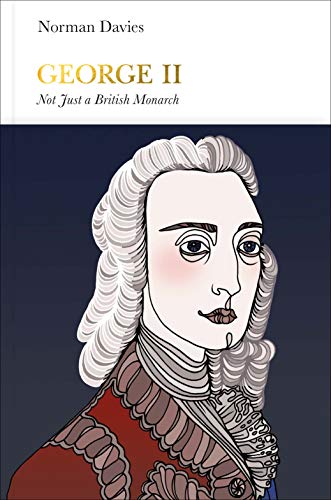
41. George II (Penguin Monarchs)
Norman Davies studies George II as both a British monarch and Elector of Hanover, ruling within a European dynastic system. The biography follows his difficult relationship with George I, political partnership with Queen Caroline and dealings with ministers during an age of expanding parliamentary government. George…
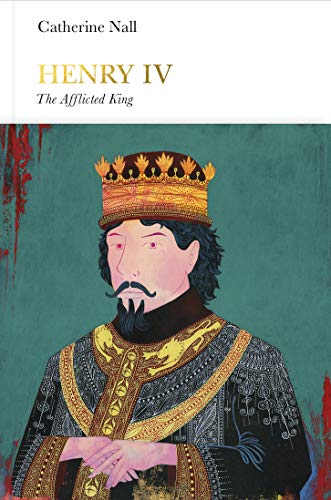
42. Henry IV (Penguin Monarchs)
Catherine Nall reappraises Henry IV as the usurper who founded the Lancastrian dynasty after deposing Richard II. The biography follows the hopeful beginning of his reign and the rapid emergence of conspiracies, rebellion, financial pressure and doubts about his legitimacy. Henry’s campaigns against the Percys and…
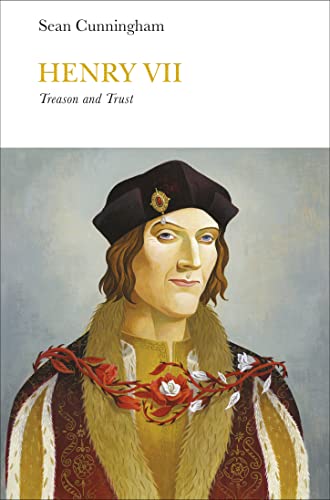
43. Henry VII (Penguin Monarchs)
Sean Cunningham examines Henry VII as an exile with a weak hereditary claim who defeated Richard III and founded the Tudor dynasty. The biography follows his victory at Bosworth, marriage to Elizabeth of York and efforts to persuade a divided political nation that his rule was…
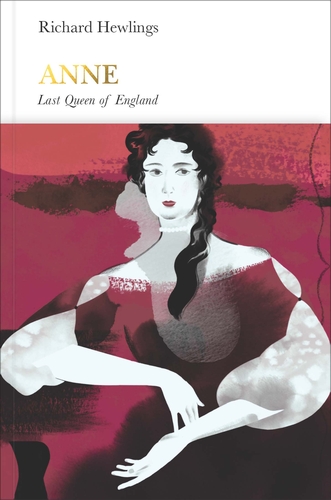
44. Anne (Penguin Monarchs)
Richard Hewlings examines Anne as the last monarch to rule England before the creation of Great Britain in 1707. The book follows her accession after the Revolution settlement, her reliance on intimate court relationships and the political pressures surrounding a Protestant succession. Anne’s reign encompassed the…