Anne was the younger surviving daughter of James, Duke of York, later James II, and Anne Hyde. Raised as a Protestant, she married Prince George of Denmark in 1683 and supported the Revolution of 1688 that displaced her Catholic father. After the deaths of William III and Anne’s sister Mary II, she succeeded in 1702 as queen of England, Scotland and Ireland. Repeated pregnancies brought deep personal loss: none of her children survived to adulthood, making the succession a central political problem of her reign.
Anne’s reign coincided with the War of the Spanish Succession, the rise of Marlborough’s armies and intense competition between Whig and Tory ministries. The Acts of Union of 1707 united the English and Scottish parliaments and made Anne the first monarch of the Kingdom of Great Britain. Her relationships with Sarah Churchill and later Abigail Masham became entangled with party conflict at court. Because she left no surviving heir, the crown passed on her death in 1714 to George I under the Protestant succession established by Parliament.
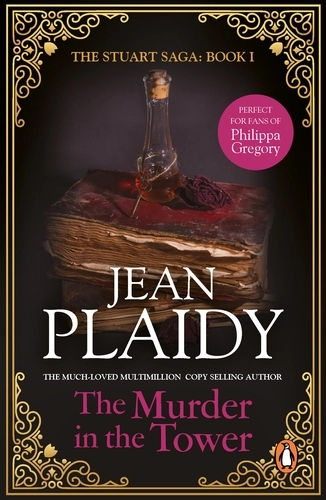
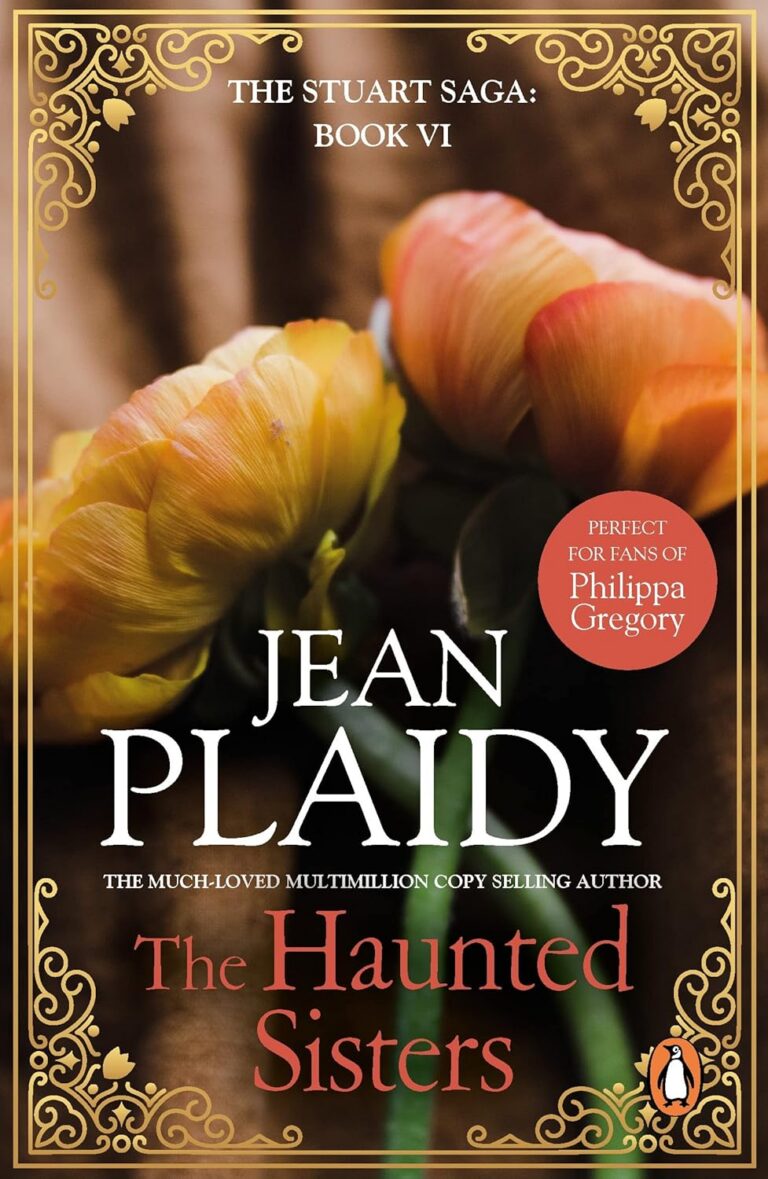
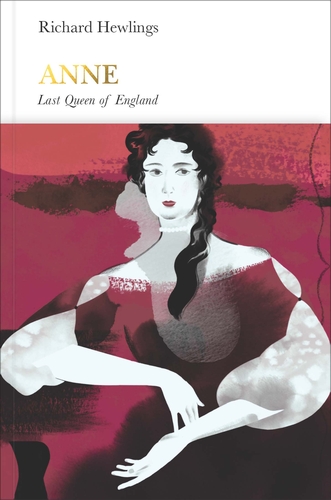
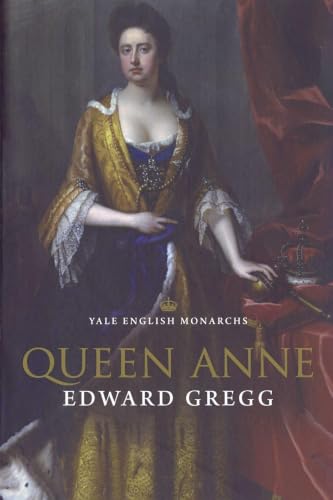
Richard Hewlings’s Anne (Penguin Monarchs) examines Anne as the last ruler of England and Scotland before the 1707 Union created Great Britain, while Edward Gregg’s Queen Anne gives a fuller political biography of her reign and court. Jean Plaidy’s The Haunted Sisters traces the family conflicts that shape Anne before her accession, and The Queen's Favourites dramatises the struggle between Sarah Churchill and Abigail Masham for influence over the queen. G. P. R. James’s The Man in Black: An Historical Novel of the Days of Queen Anne uses the secrecy and faction of Anne’s reign as the historical setting for its political adventure.