Harold Godwinson was the last crowned Anglo-Saxon king of England. A powerful earl and experienced commander, he succeeded Edward the Confessor in January 1066 despite rival claims from William of Normandy and Harald Hardrada of Norway.
Harold defeated the Norwegian invasion at Stamford Bridge, then marched south and was killed at the Battle of Hastings. Norman victory transformed English landholding, government and aristocratic culture. Harold Godwinson was born in Essex and died in Hastings.
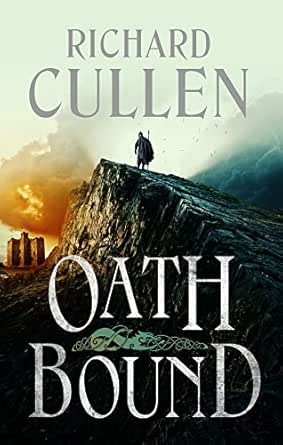
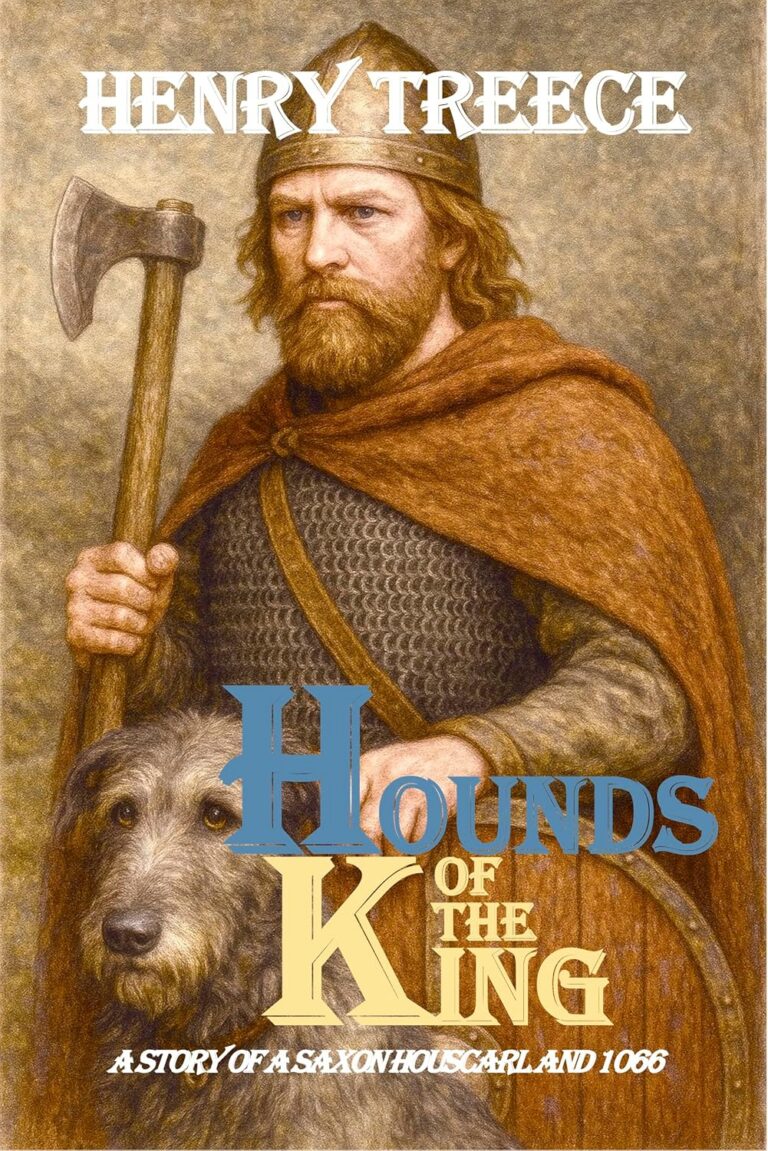
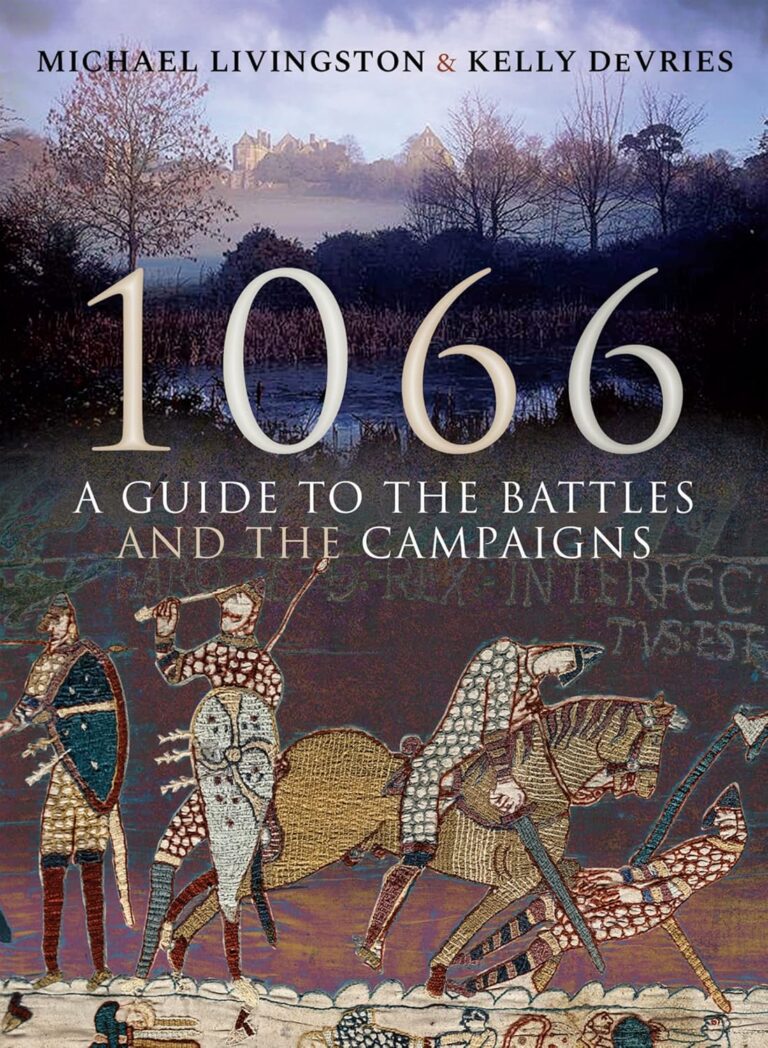
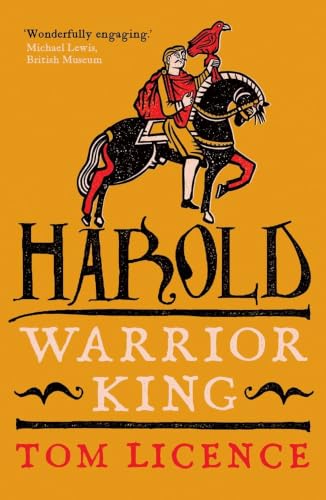
Michael Livingston’s 1066 follows Harold Godwinson from the disputed succession through his victory over Tostig and Harald Hardrada at Stamford Bridge and the rapid march south to face William of Normandy. Tom Licence’s Harold reconstructs the king’s earlier career as earl, royal adviser and dominant member of the Godwin family before the final campaign fixed his reputation. Henry Treece’s Hounds of the King views Harold through the housecarls who serve him and makes their exhausted stand at Hastings the destruction of a military brotherhood as well as a kingdom. Richard Cullen’s Oath Bound begins with Harold’s death on Senlac Hill and follows a surviving housecarl who refuses to abandon his oath, while Shield Breaker shows that loyalty continuing under Norman occupation years later.