Harald III of Norway, remembered as Harald Hardrada, was a half-brother of King Olaf II and one of the most widely travelled rulers of the Viking age. Still young, he fought at Stiklestad in 1030, where Olaf was killed, then escaped east through Kievan Rus. Harald later entered Byzantine service and became a prominent member of the Varangian Guard, campaigning in the Mediterranean and Balkans and accumulating wealth and military experience before returning to Scandinavia.
Harald returned to Norway in the 1040s and first shared power with his nephew Magnus the Good before becoming sole king in 1047. He spent years attempting to dominate Denmark and strengthening royal authority at home. In 1066 he asserted a claim to the English throne, allied with Tostig Godwinson and invaded northern England. After defeating local forces at Fulford, Harald’s army was surprised by Harold Godwinson at Stamford Bridge on 25 September. Harald was killed in the battle, bringing his final bid for a North Sea empire to an abrupt end.
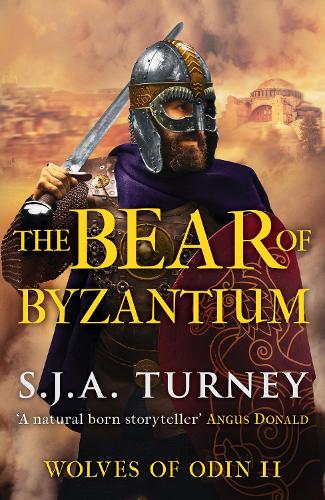
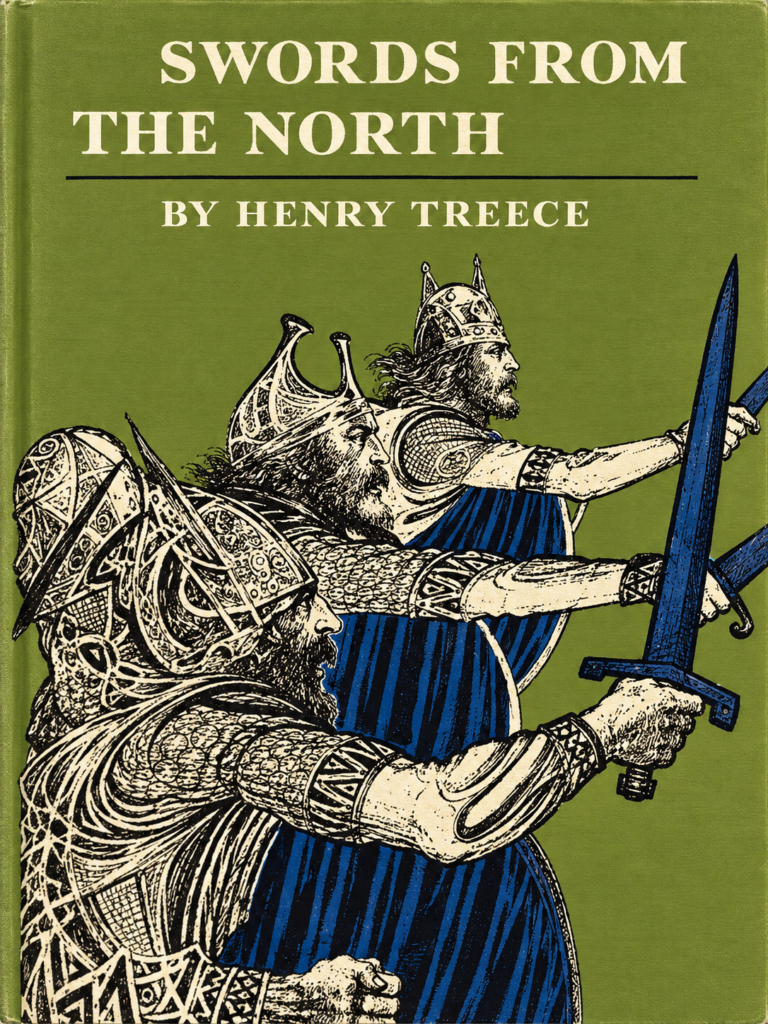
Simon Turney’s Kings of Stone and Ice brings Harald Hardrada back to Norway as an ambitious claimant who offers the Wolves a place in his struggle for the throne, while Bear of Byzantium follows him earlier in Constantinople amid the dangerous politics of the Varangian Guard. Henry Treece’s Swords from the North likewise makes Harald’s Byzantine service the training ground for the commander who expects one day to rule. Griff Hosker’s Housecarl shifts to 1066 and makes his invasion of England the threat Harold Godwinson’s warriors defeat at Stamford Bridge. Michael Livingston’s 1066 then places Harald’s northern campaign beside the Norman invasion, showing how the two threats forced the English king into successive battles at opposite ends of the country.