Henry I of England was the youngest son of William the Conqueror and king of England from 1100. He defeated his brother Robert Curthose at Tinchebray, strengthened royal administration and faced a succession crisis after the White Ship disaster killed his only legitimate son.
Henry I of England also held the offices or ranks of Duke of Normandy, monarch of England, count, and lord. Henry I of England belonged to the House of Normandy and operated within Kingdom of England. Henry I of England was born in Selby and died in Saint-Denis-le-Ferment.
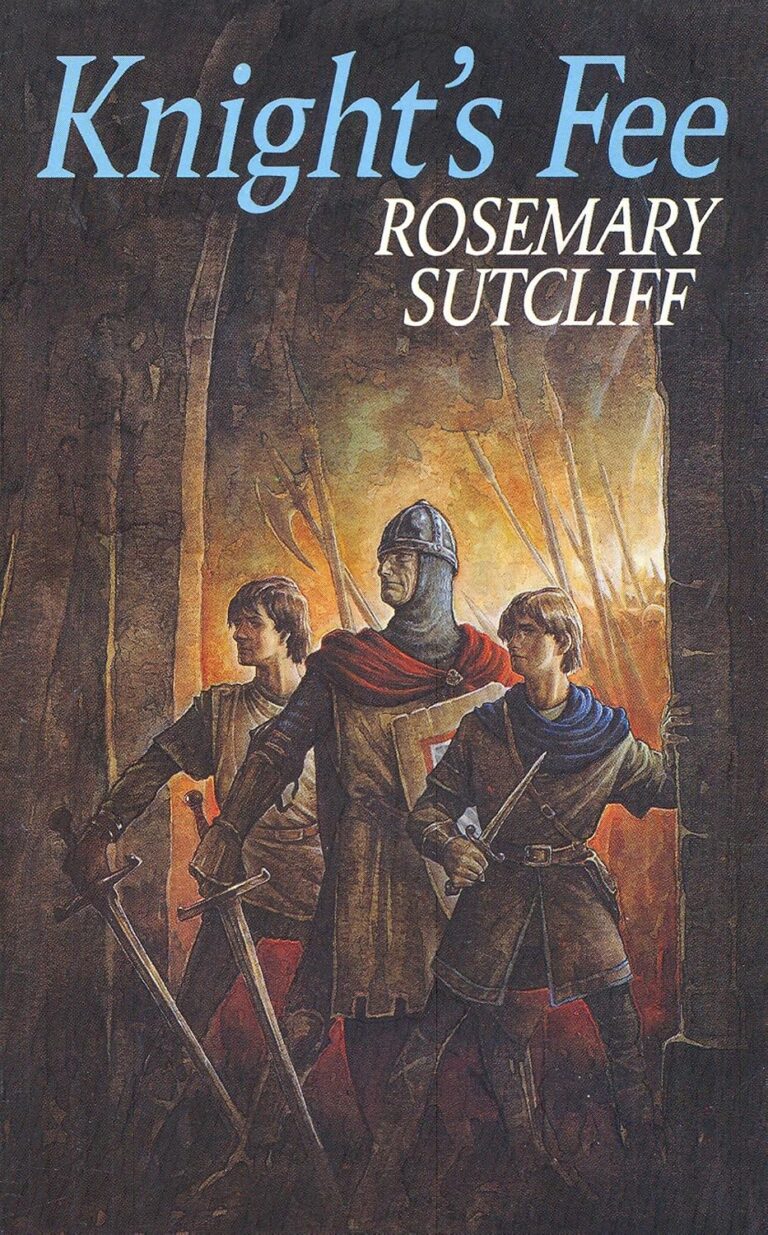
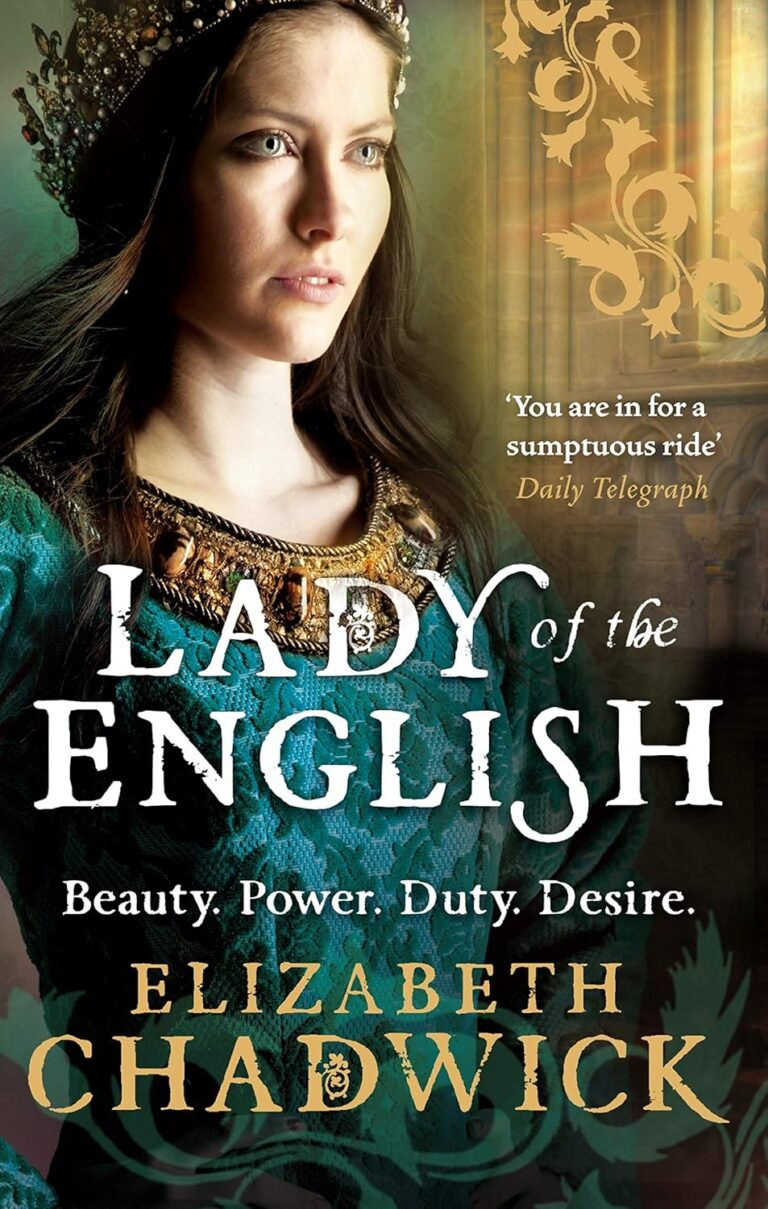
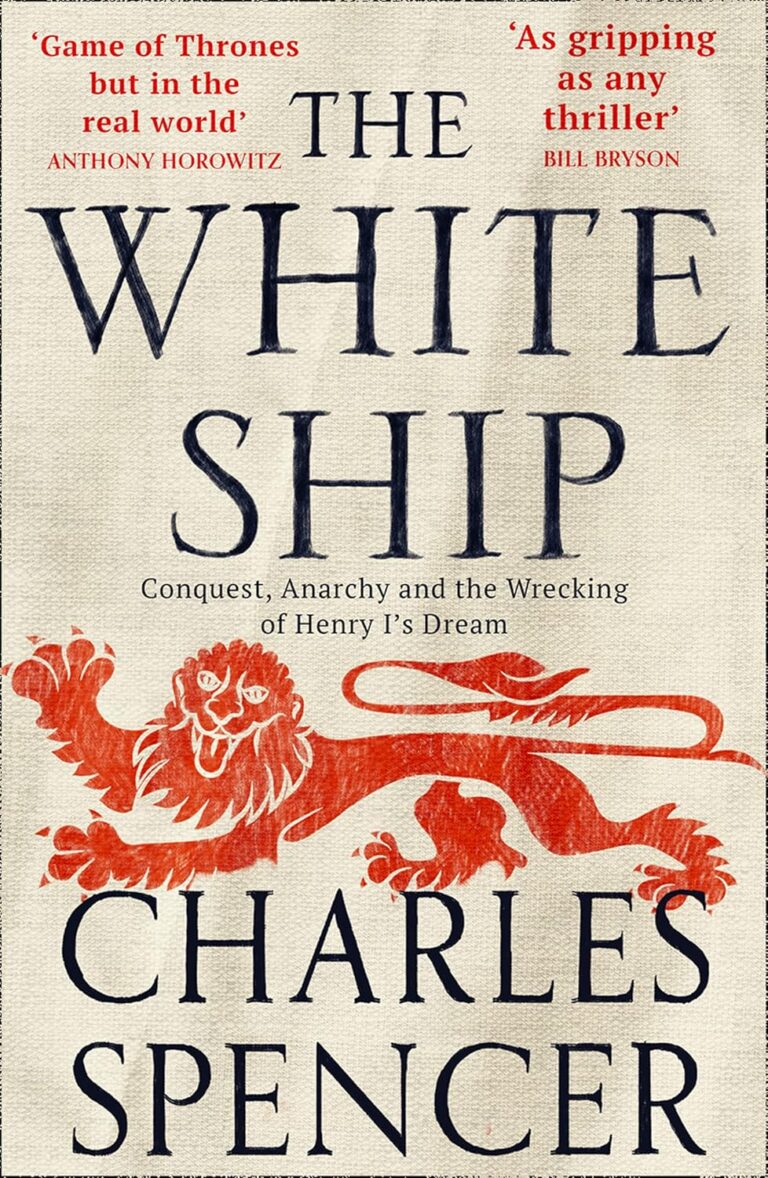
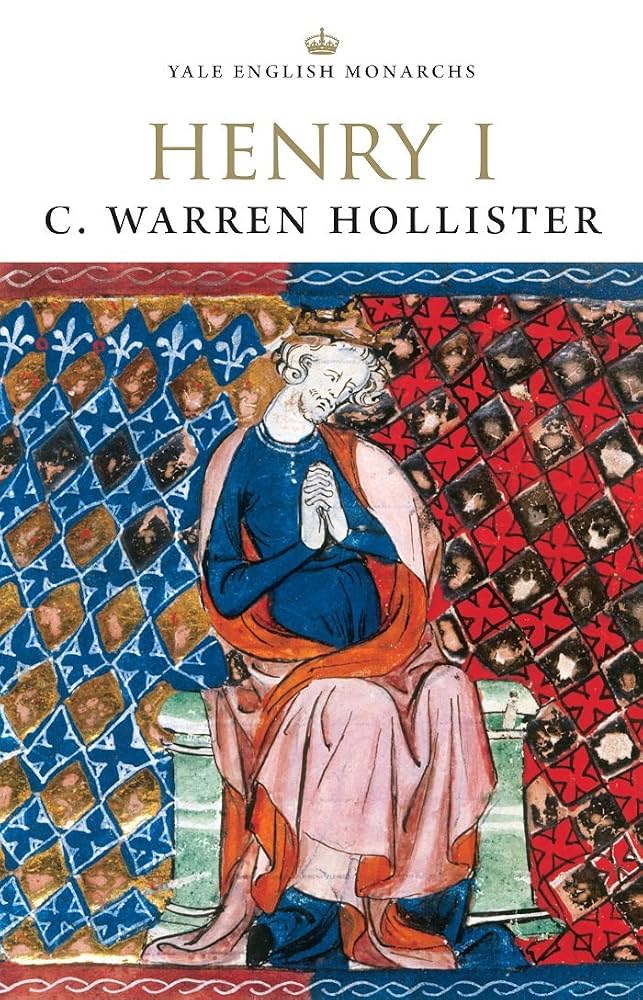
C. Warren Hollister’s Henry I presents the king as a formidable administrator who reunited England and Normandy, while Edmund King’s Henry I (Penguin Monarchs) emphasises the political methods through which the youngest son of William the Conqueror secured and maintained that settlement. Rosemary Sutcliff’s Knight’s Fee places its young knights amid Henry’s conflict with Robert Curthose and the cross-Channel politics of the Anglo-Norman realm. Elizabeth Chadwick’s Lady of the English begins from the succession crisis created by Henry’s death and the oath he had required in favour of his daughter Matilda. Charles Spencer’s The White Ship explains the catastrophe that killed Henry’s only legitimate son William Adelin and made that contested succession possible.