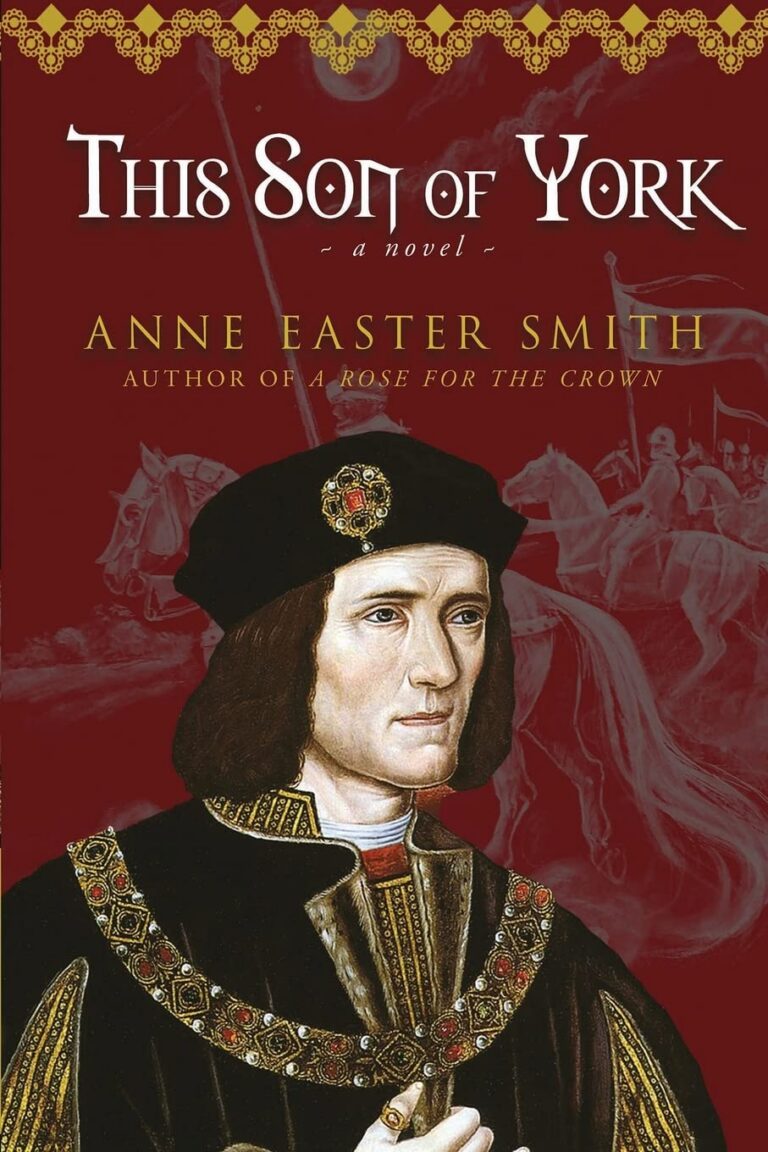
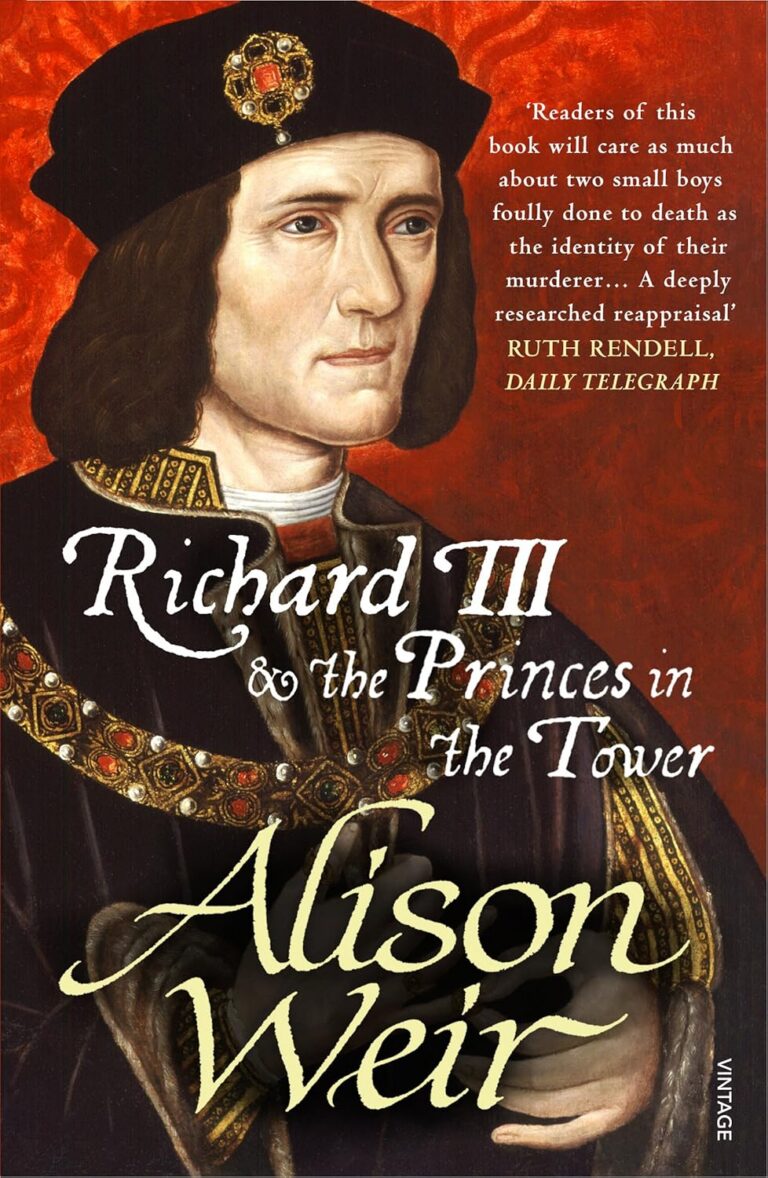
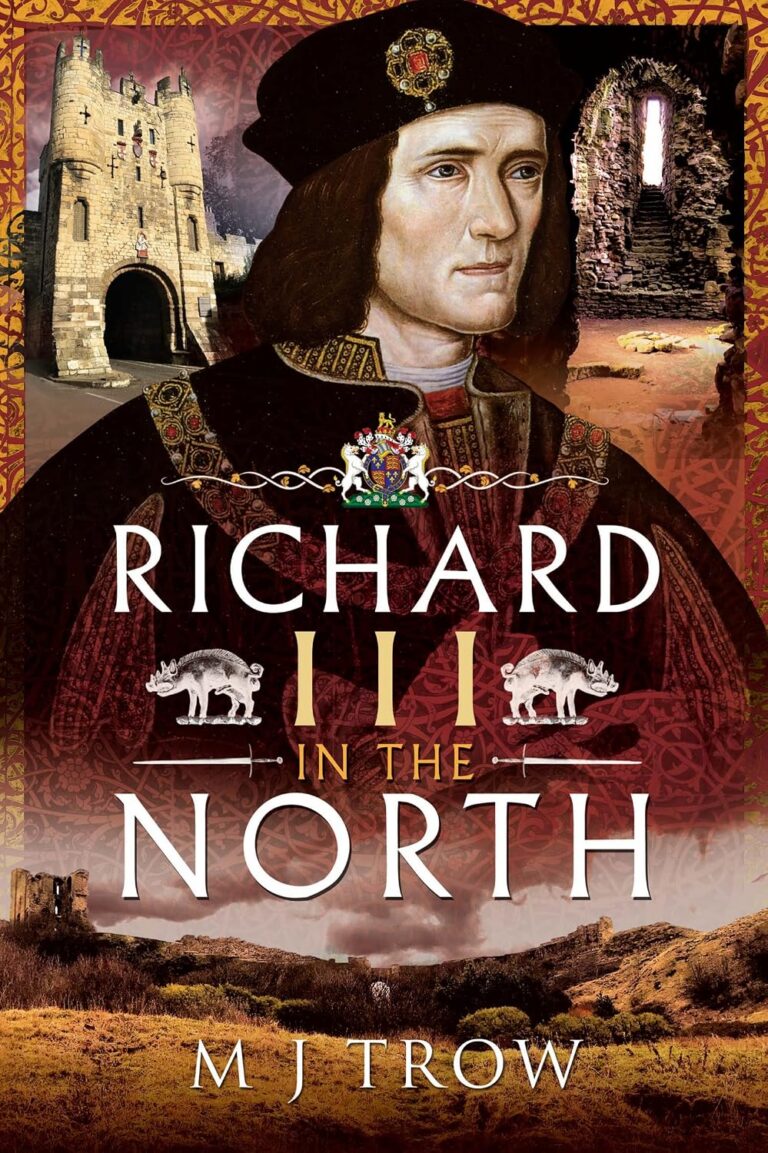
Richard III was king of England from 1483 to 1485 and the last ruler of the House of York. The younger brother of Edward IV, he had been a major northern magnate and military commander before becoming protector for his nephew Edward V after Edward IV’s death.
Richard took the crown after Edward IV’s children were declared illegitimate, while the disappearance of Edward V and his brother Richard became the central controversy of his reign. Opposition eventually coalesced around Henry Tudor, who defeated and killed Richard at the Battle of Bosworth in 1485. His death ended Yorkist rule and opened the Tudor dynasty.
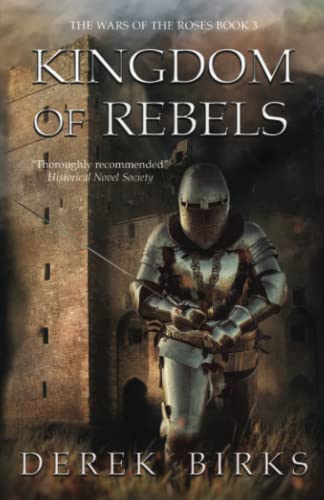
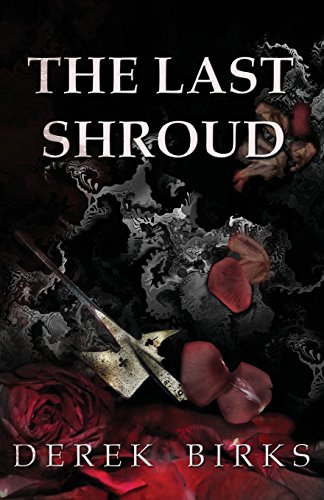
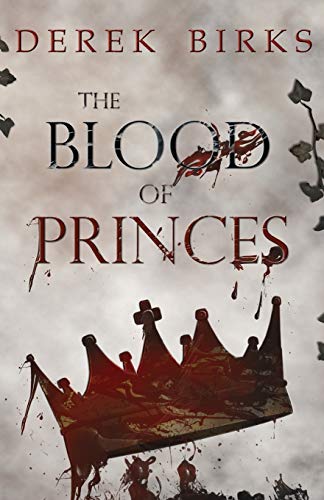
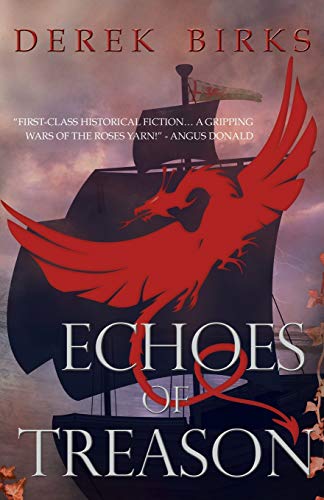
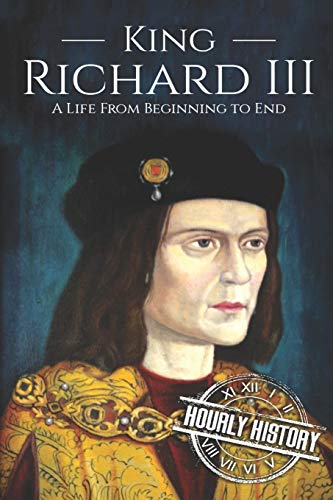
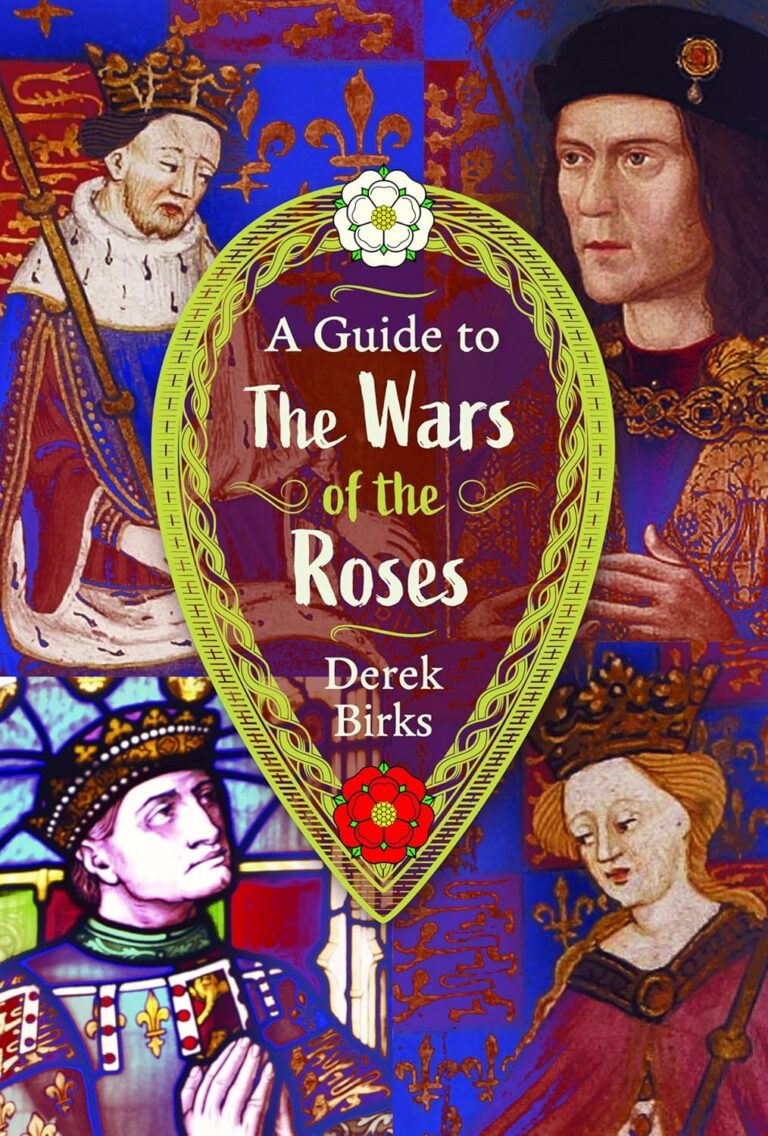
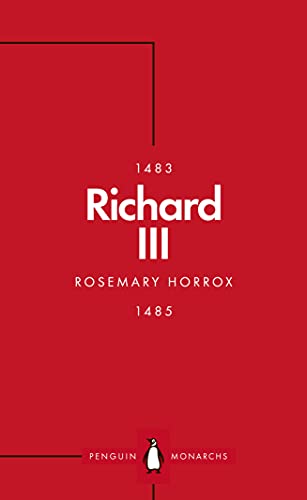
Derek Birks’s A Guide to the Wars of the Roses follows Richard III from the crisis of 1483 through Bosworth and sets his short reign within the longer dynastic conflict between Lancaster and York. Shakespeare’s Richard III provides the most influential fictional portrait, turning him into a calculating usurper whose crimes propel him towards defeat. Hourly History’s King Richard III gives a concise modern account of his path from Duke of Gloucester to king and the controversy surrounding the Princes in the Tower. Rosemary Horrox’s Richard III (Penguin Monarchs) examines the political structures, loyalties and regional power on which his kingship depended. David Pilling’s Henry places Richard on the losing side of Bosworth, where Henry Tudor’s victory destroys the Yorkist regime and begins the Tudor dynasty.