Anne Boleyn was Henry VIII’s second wife and queen of England from 1533 to 1536. Henry’s determination to marry her helped drive the break with papal authority and the creation of the royal supremacy, while Anne promoted reformist clergy and patronage. She gave birth to the future Elizabeth I but failed to produce a surviving son.
Anne’s position at court depended on more than her relationship with Henry. She maintained a household of her own, supported evangelical reformers and used patronage to advance clergy and scholars sympathetic to religious change. Her fall in 1536 was organised with extraordinary speed: members of her household were arrested, the marriage was annulled, and her execution cleared the way for Henry’s marriage to Jane Seymour.
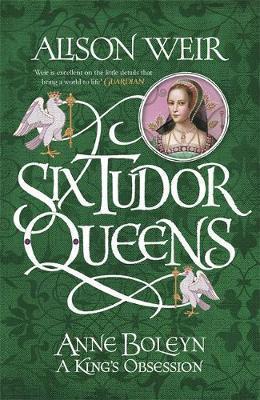
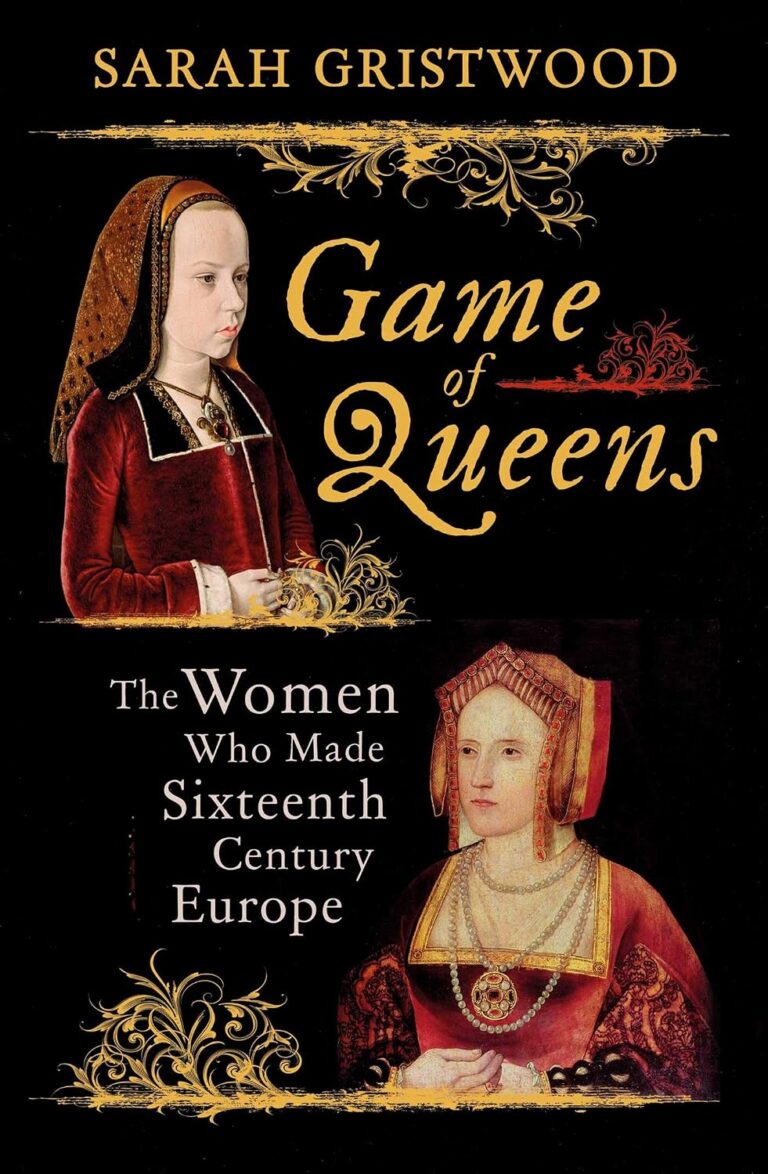
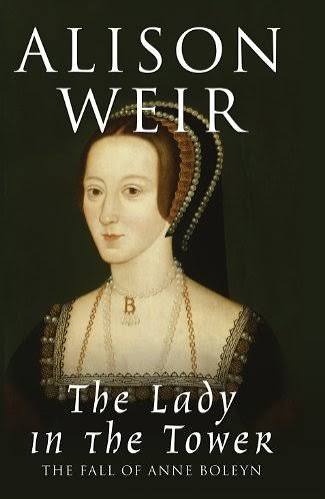
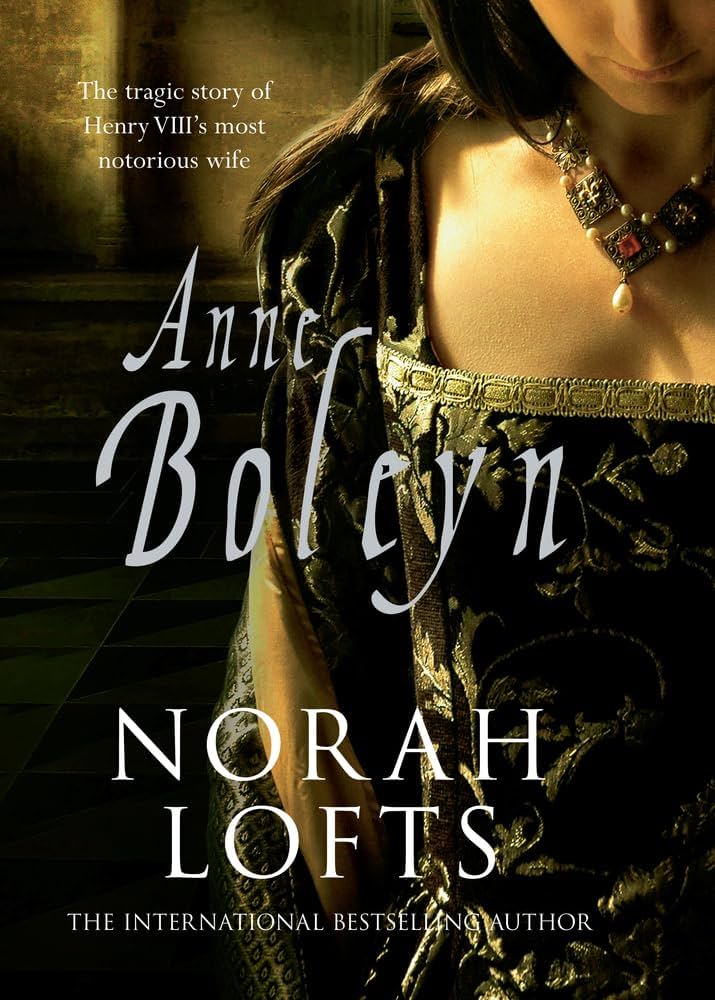
In Alison Weir’s Anne Boleyn, Anne Boleyn’s education in the Netherlands and France gives her intellectual confidence, religious curiosity and an acute awareness of the restrictions placed on women. In Sarah Gristwood’s Game of Queens, beginning with Isabella of Castile and Anne de Beaujeu, Sarah Gristwood traces networks of mothers, daughters, regents and mentors through Margaret of Austria, Louise of Savoy, Catherine of Aragon, Anne Boleyn, Catherine de’ Medici, Mary I, Elizabeth I, Jeanne d’Albret and Mary, Queen of Scots. For broader historical treatment of Anne Boleyn, see Steven Veerapen’s Overlord, Antonia Fraser’s The Six Wives of Henry VIII, and Sarah Gristwood’s The Tudors in Love.