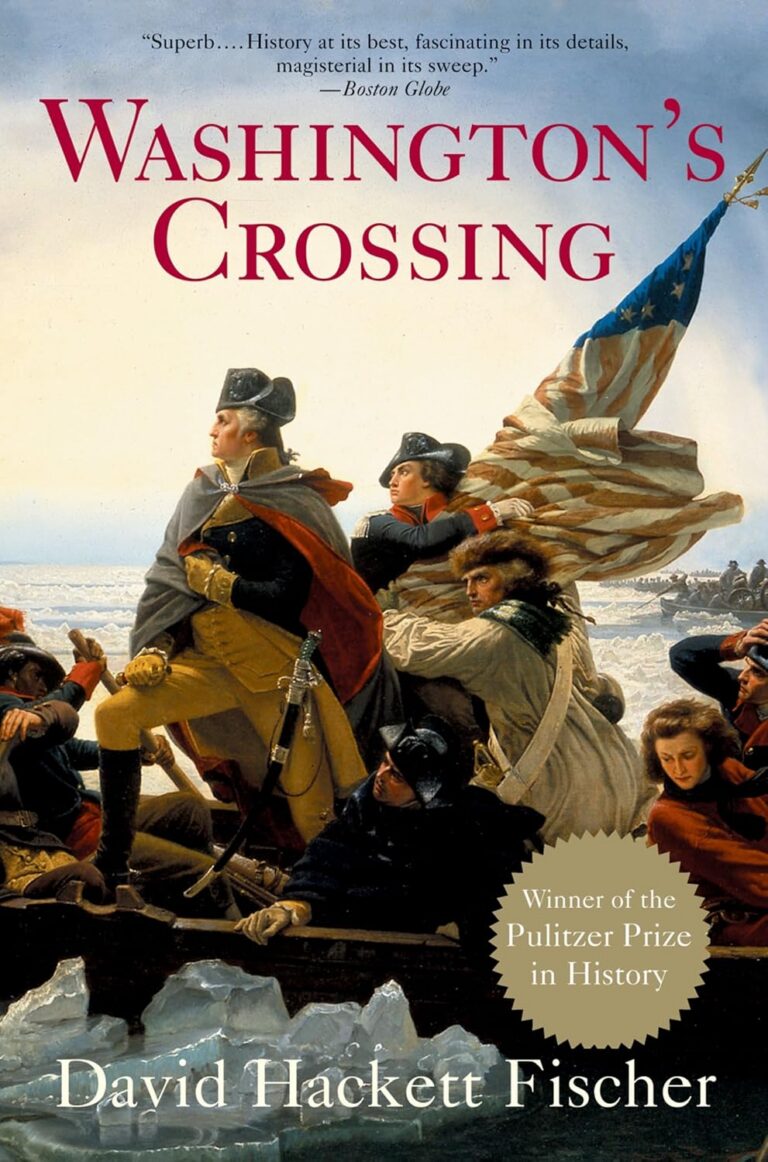
Outlander in Order
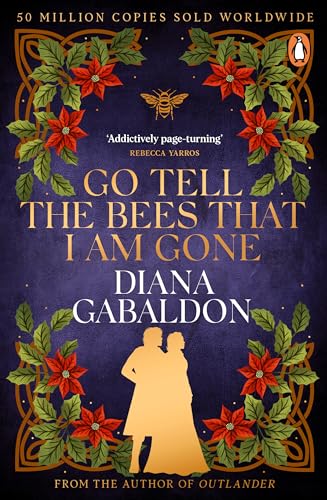
The Outlander series follows twentieth-century physician Claire Randall after she travels through time to eighteenth-century Scotland and forms a life with Highlander Jamie Fraser. The novels move through the Jacobite rising, its aftermath, the Caribbean, colonial North America and the American Revolution, combining family saga, historical adventure, romance…
All books in this series
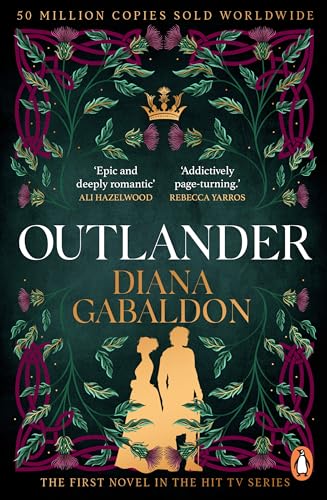
1. Outlander
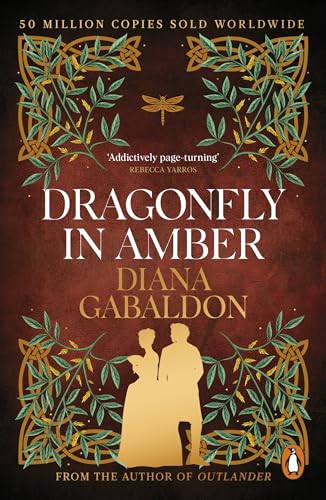
2. Dragonfly in Amber
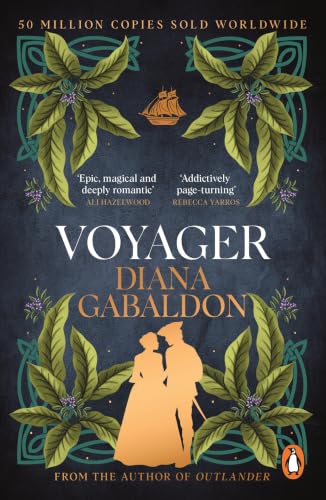
3. Voyager
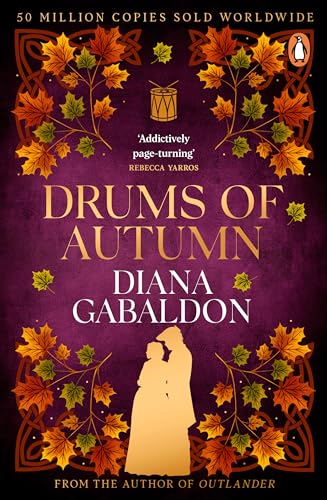
4. Drums of Autumn

5. The Fiery Cross
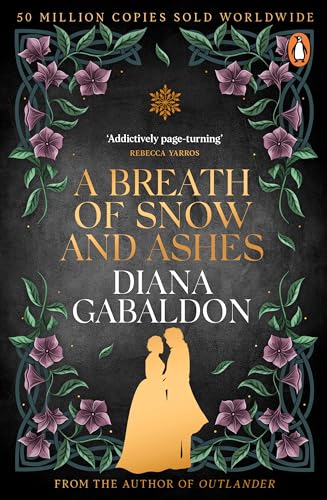
6. A Breath of Snow and Ashes
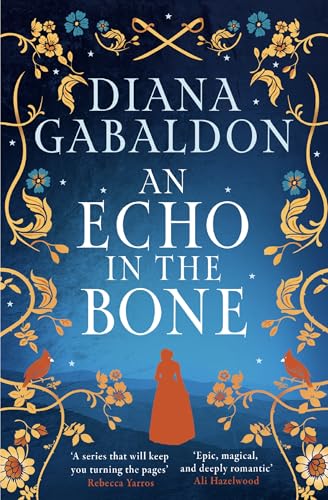
7. An Echo in the Bone
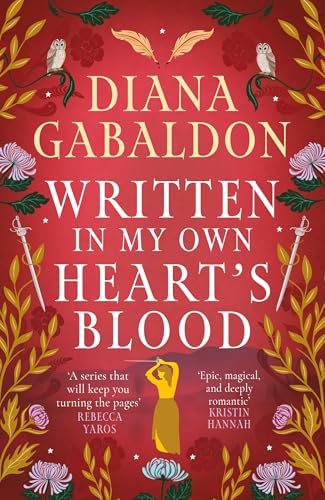
8. Written in My Own Heart’s Blood