Charles Cornwallis was a British army officer and aristocrat who became one of the principal British commanders in the American Revolutionary War. He fought in major campaigns from New York and the Carolinas to Virginia and surrendered his army to George Washington and the French at Yorktown in 1781.
Cornwallis later rebuilt his career in imperial administration, serving as governor-general of India and as lord lieutenant of Ireland. In India he oversaw military campaigns and major administrative reforms, while in Ireland he governed during the aftermath of the 1798 rebellion and supported the Act of Union.
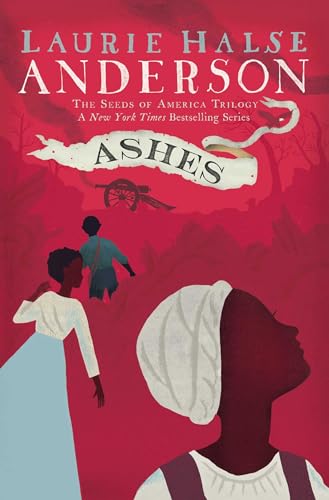
Jeff Shaara’s The Glorious Cause follows Charles Cornwallis through the campaigns that carry the American war south and finally to Yorktown, setting his command against Washington, Nathanael Greene and Lafayette. Laurie Halse Anderson’s Ashes brings that endgame into Isabel and Curzon’s flight through Virginia as Washington closes on Cornwallis’s besieged army. Dewey Lambdin’s The French Admiral shows the crisis from the sea, where the French victory in the Chesapeake prevents British relief and leaves Cornwallis isolated. Richard Woodman’s An Eye of the Fleet ends with HMS Cyclops carrying news of his surrender back to Britain. Robert Harvey’s A Few Bloody Noses places Cornwallis within the broader British conduct of the Revolution, following the imperial campaign from the early fighting to the international war that culminated at Yorktown.