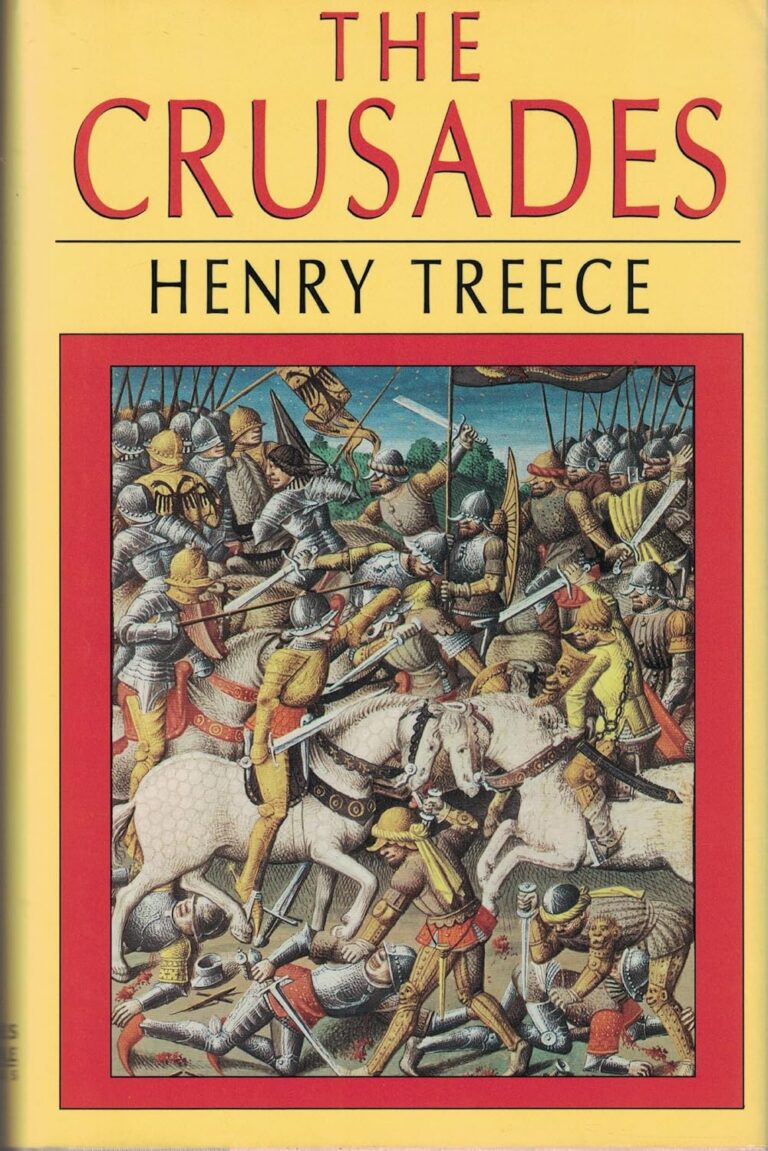
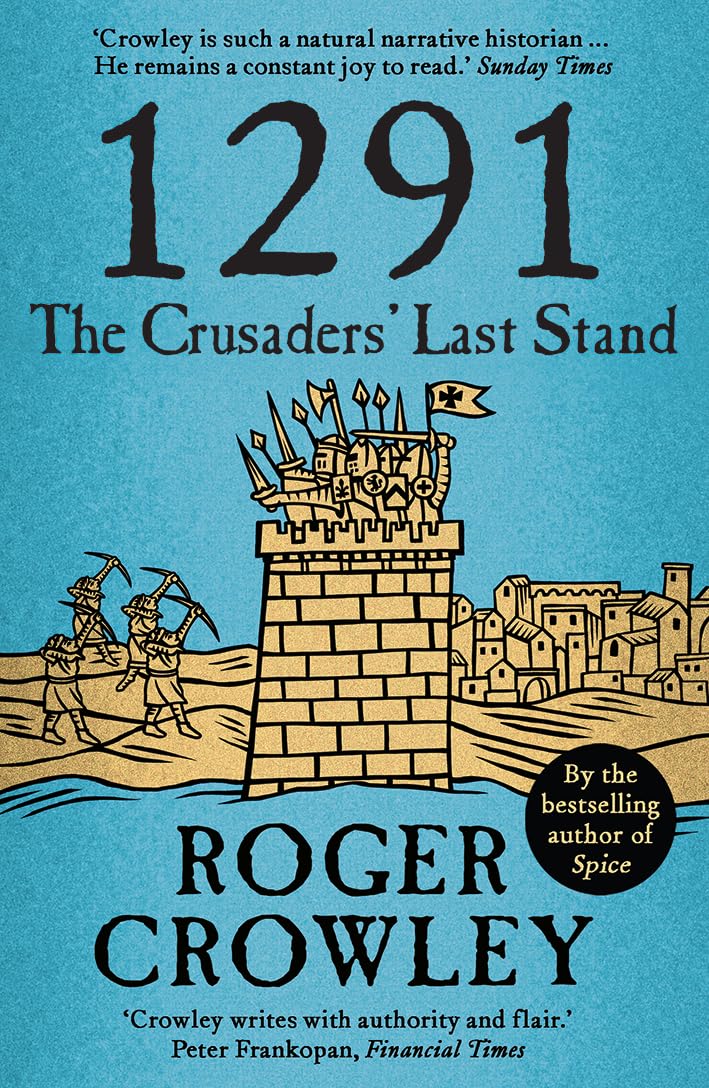
The Crusades began with Pope Urban II’s call in 1095 and led to campaigns to the eastern Mediterranean, Iberia, the Baltic, and elsewhere. The best-known crusades involved attempts to capture, defend, or recover Jerusalem and other Holy Land territories. They drew in knights, kings, merchants, pilgrims, military orders, Byzantine rulers, and Muslim powers.
The Crusades matter because they combined religion, violence, diplomacy, colonisation, commerce, and cultural contact. They changed the relationship between western Europe, Byzantium, and the Islamic world, often through conquest and brutality. They also produced military orders, crusader states, pilgrimage routes, and enduring memory.
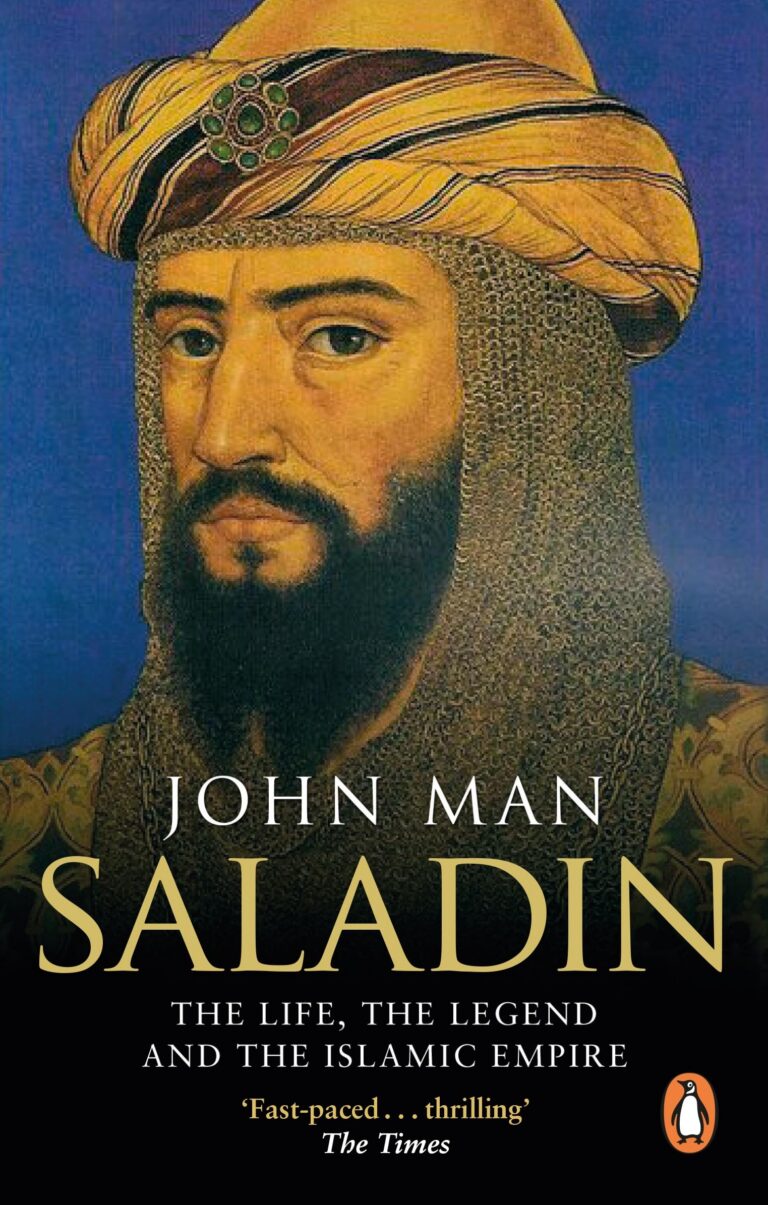
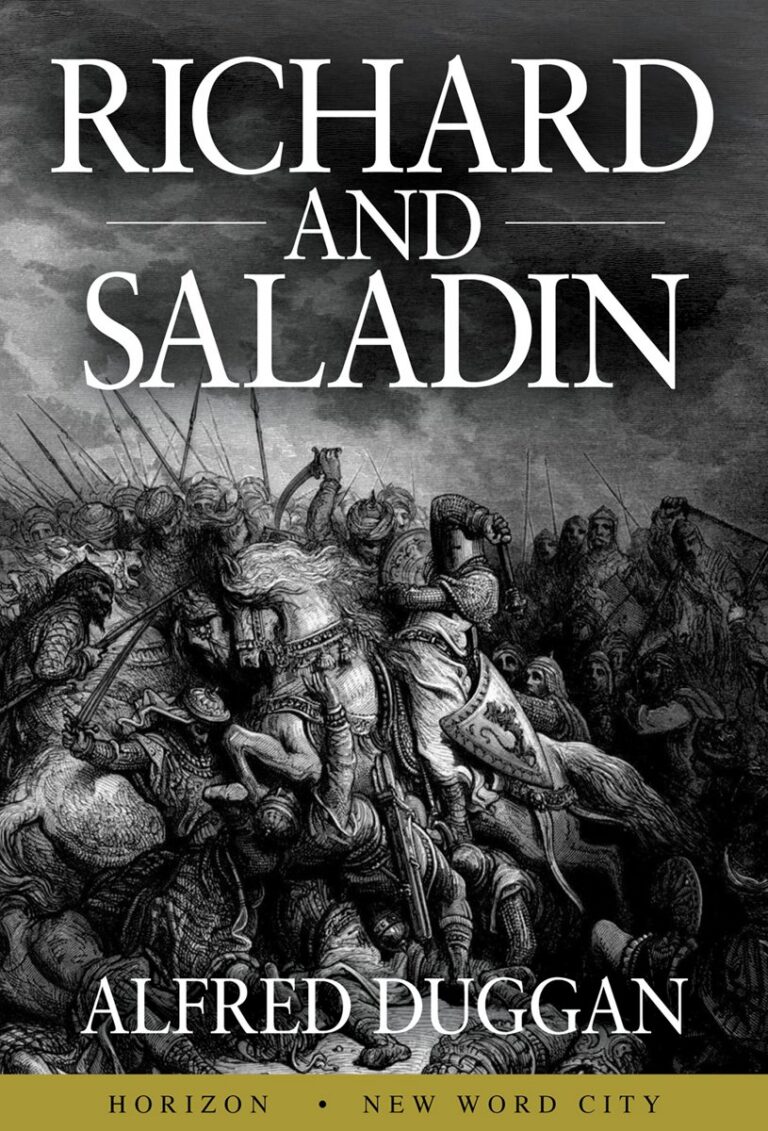
Robyn Young’s Brethren trilogy, Jan Guillou’s Arn novels, Cecelia Holland’s Jerusalem, and many novels about Richard the Lionheart and Saladin use crusading as a central setting. Crusade fiction supports knightly idealism, religious zeal, disillusionment, siege warfare, divided loyalties, and encounters across cultures.