c. 1223–1277
Baibars was a leading Bahri Mamluk commander who became sultan of Egypt and Syria in 1260. He fought the Seventh Crusade, helped overthrow the Ayyubid sultan and later led the Mamluk state against Mongol and Crusader powers.
Baibars rose from enslavement as a Kipchak military mamluk to become sultan of Egypt and Syria in 1260. He strengthened the Mamluk state, fought Mongol and Crusader forces, and expanded a network of fortifications and communications before his death in 1277.
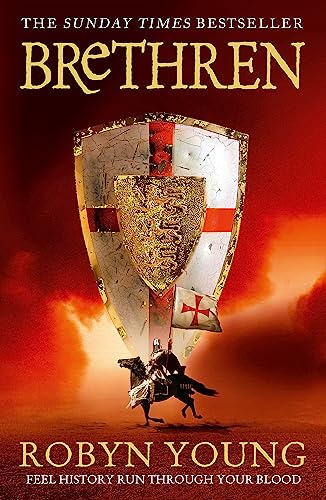
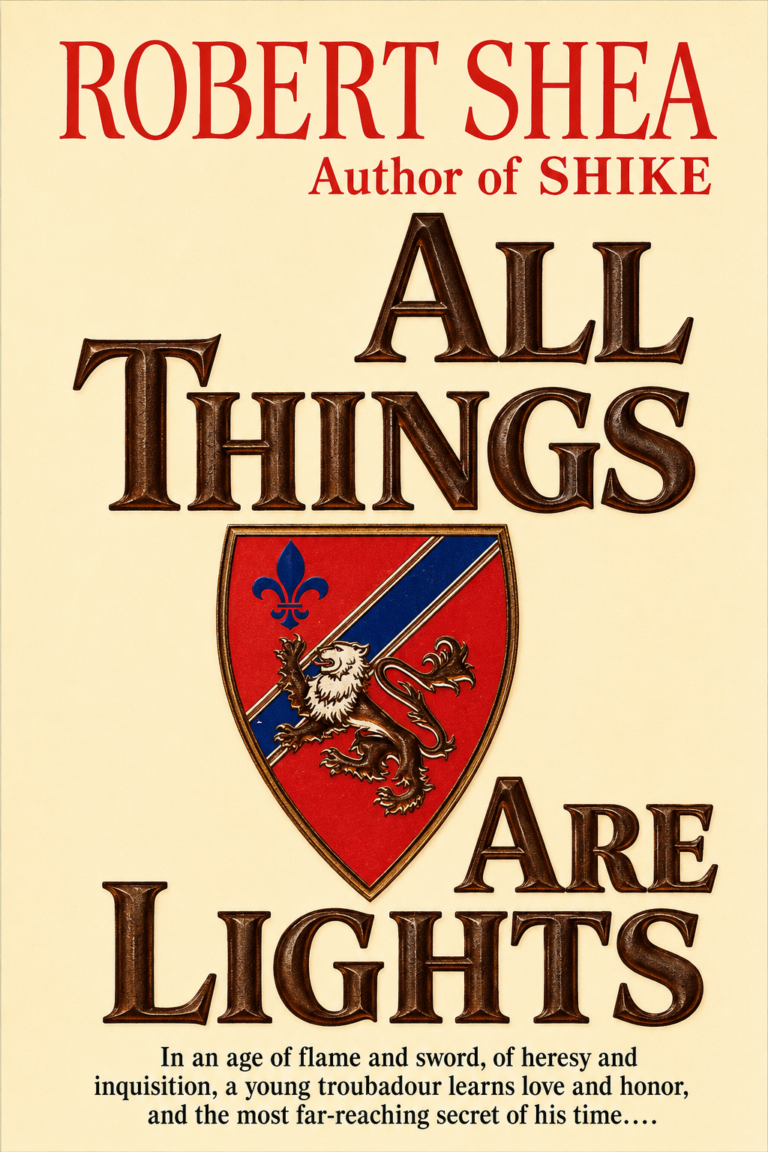
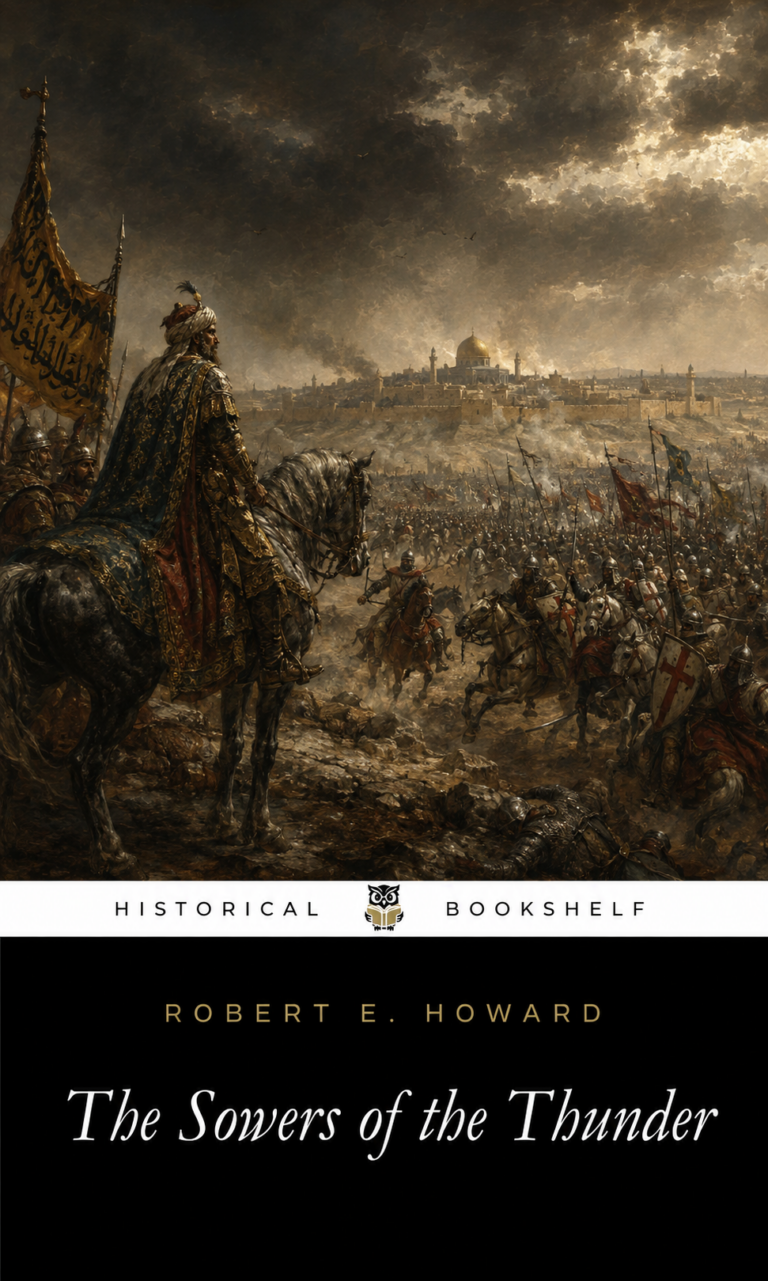
In Robert Shea’s All Things Are Lights, Roland de Vency, a troubadour and dispossessed knight of Languedoc, returns to the besieged Cathar refuge of Montségur hoping to rescue Diane de Combret, the woman he once intended to marry. Diane has taken the consolamentum and joined the Cathar perfecti, while Roland is also drawn to Nicolette, the spirited wife of his enemy Count Amalric de Gobignon. Their intertwined loyalties connect courtly love, religious persecution and the final destruction of a community already broken by the Albigensian Crusade. Roland’s service to Louis IX carries the conflict from France to the Seventh Crusade in Egypt. Damietta, al-Mansurah and the king’s captivity place the fictional lovers beside Louis, Margaret of Provence, Robert of Artois and the rising Mamluk commander Baibars. Shea combines documented events with Templar and mystical traditions, using competing faiths and secret brotherhoods to ask whether love, political power or religious certainty can justify violence. In David Pilling’s Longsword (III), on the way his fleet is almost destroyed by a storm, and he arrives to find Acre threatened by the host of Baibars, the all-conquering Mamluk sultan of Egypt, known as the Father of Conquest. Baibars is treated fictionally in Robert Shea’s The Saracen Holy War, Robert Shea’s The Saracen Land of the Infidel, Robert E. Howard’s The Sowers of the Thunder, K. M. Ashman’s Blood of the Cross, and Robyn Young’s Brethren.