Kublai Khan was a grandson of Genghis Khan who became great khan after defeating his brother Ariq Böke and founded the Yuan dynasty in China. He completed the conquest of the Southern Song, established his capital at Dadu and adopted Chinese administrative practices while preserving Mongol privilege.
His reign expanded trade and cultural exchange but also launched costly and unsuccessful invasions of Japan, Vietnam and Java. Kublai Khan was born in Mongol Empire and died in Khanbaliq.
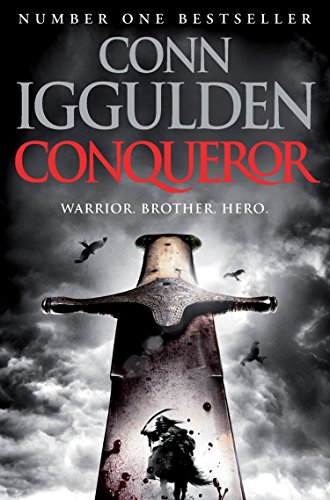
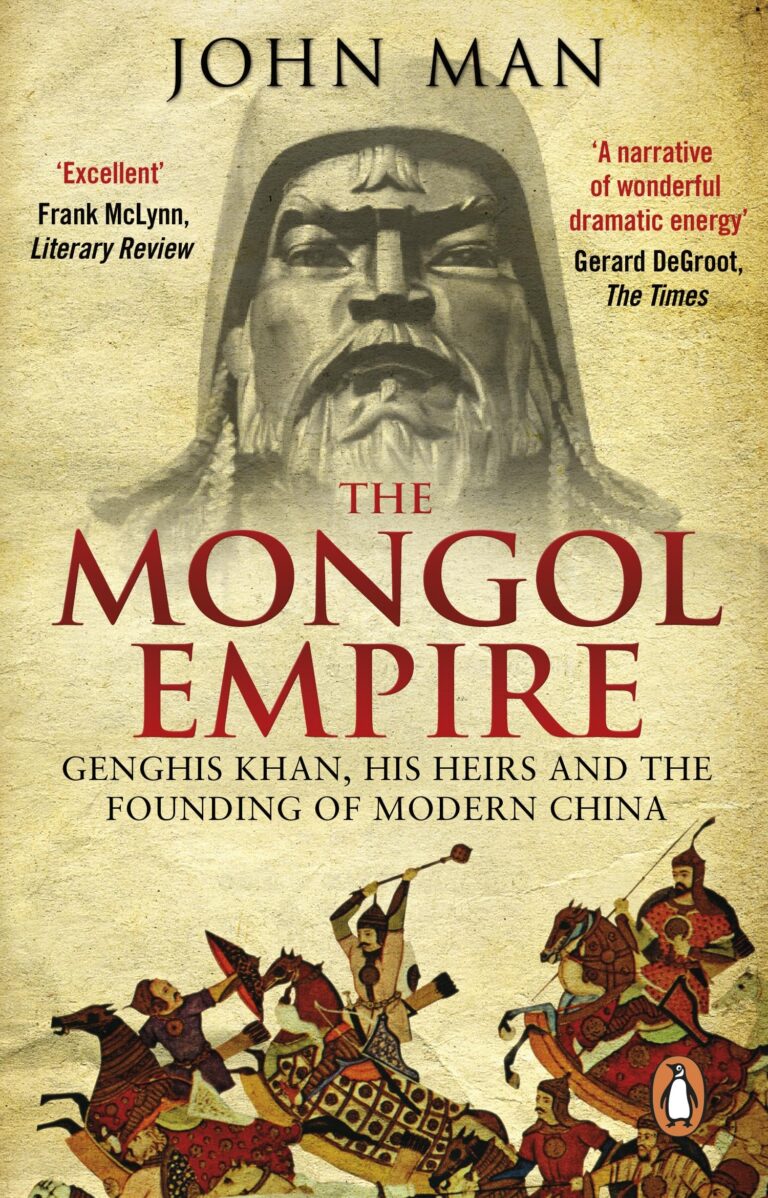
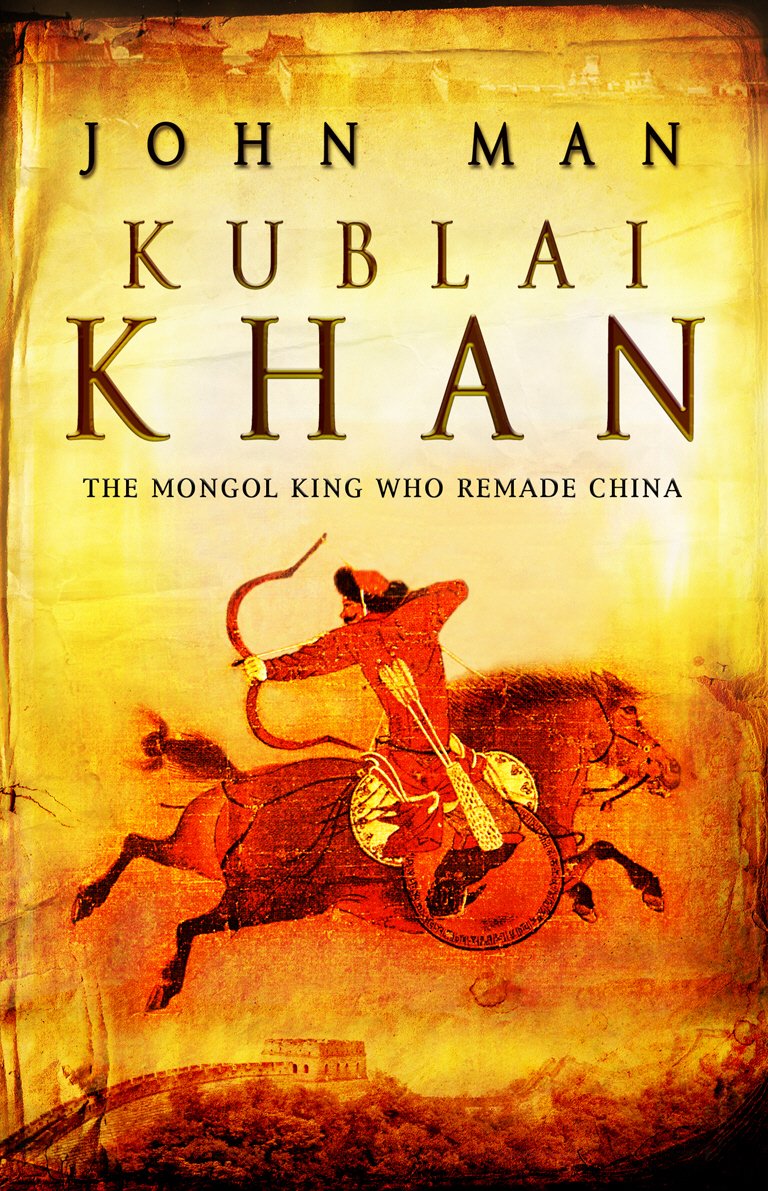
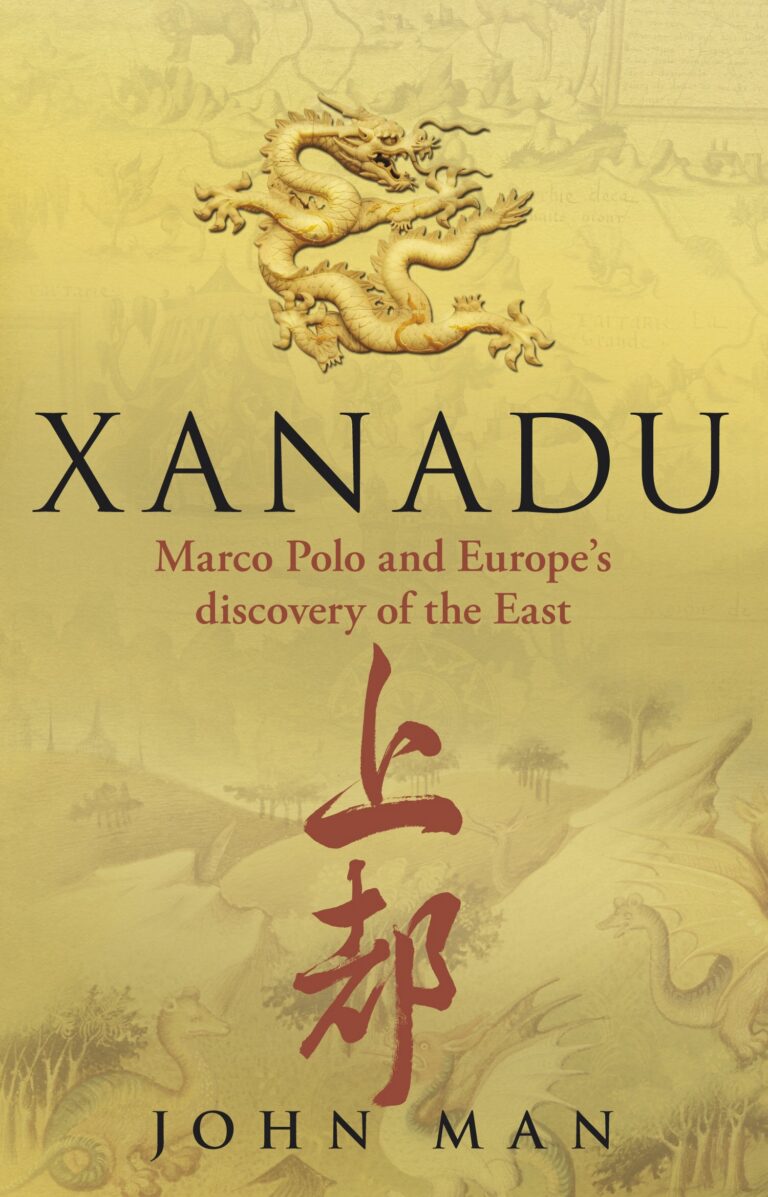
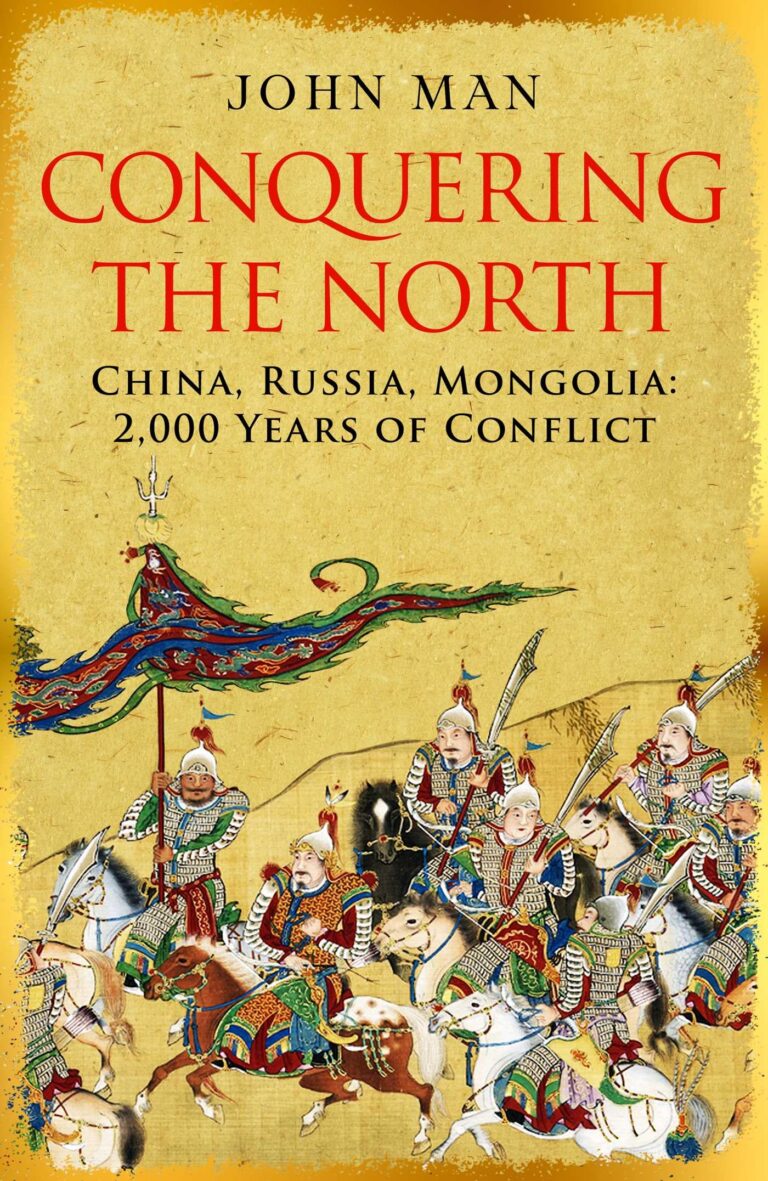
Conn Iggulden’s Conqueror follows Kublai Khan from scholarly prince to commander and claimant to the great khanate, culminating in his struggle with Ariq Böke and the conquest that will underpin the Yuan dynasty. Gary Jennings’ The Journeyer makes Kublai’s court the great eastern destination of Marco Polo’s fictionalised travels and depicts the Venetian as an observer of Yuan government. John Man’s Kublai Khan reconstructs the ruler directly, covering the Southern Song conquest, administration, religious policy and failed invasions of Japan. Man’s The Mongol Empire places Kublai at the culmination of the wider imperial expansion begun by Genghis Khan and explains how family rivalry divided that empire into successor states. Xanadu approaches Kublai through Marco Polo and Shangdu, testing the traveller’s account against the routes, archaeology and textual evidence of the Mongol world.