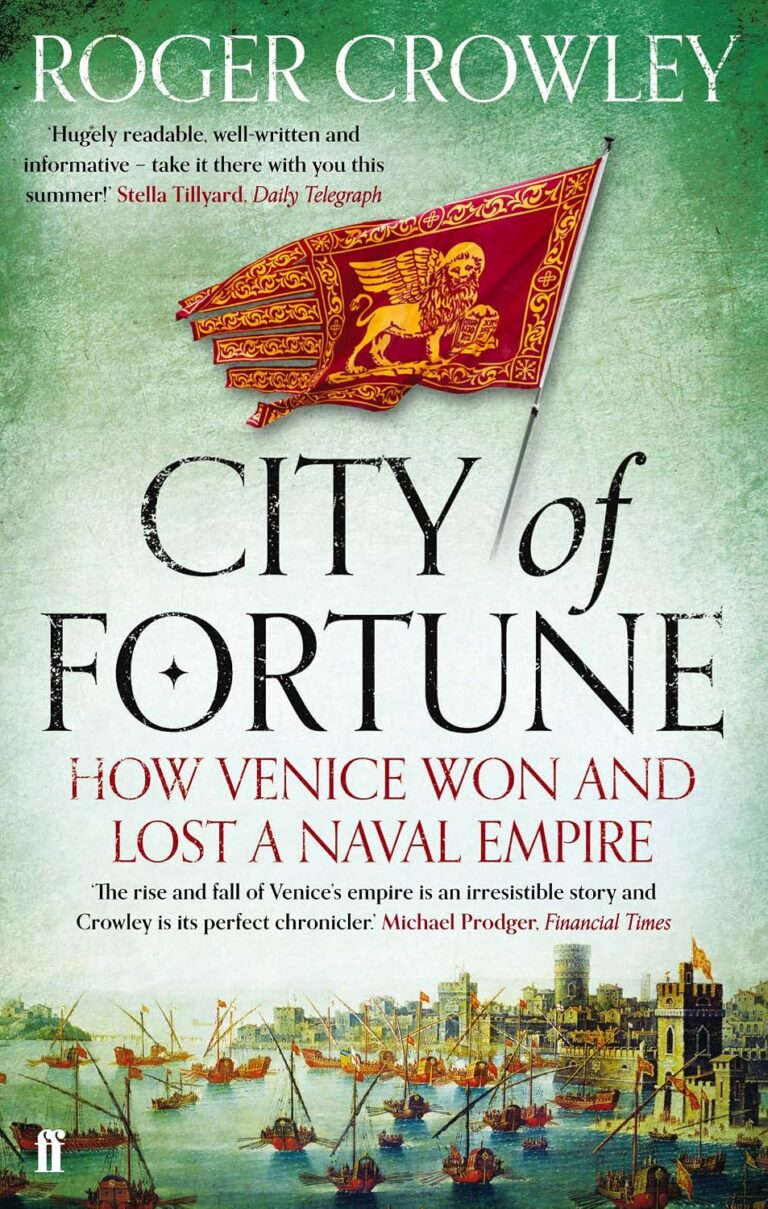
The Fourth Crusade was intended for the eastern Mediterranean but became entangled in Venetian interests, debt, and Byzantine dynastic politics. Instead of reaching its planned target, crusader forces attacked Constantinople in 1204. The sack of the city created a Latin Empire and severely weakened Byzantine power.
The crusade matters because it revealed how crusading ideals could be redirected by politics, finance, and ambition. The attack on a Christian city deepened divisions between Latin and Greek Christianity. It also damaged Byzantium in ways that shaped its later decline.
Fiction set around the Fourth Crusade often focuses on betrayal, opportunism, and the collision between holy language and material greed. Novels about Byzantium and crusading can use this event as a turning point for merchants, soldiers, nobles, and civilians trapped in imperial collapse. It pairs well with books about Constantinople, Venetian power, and the moral corruption of crusade.