Frederick Barbarossa was Holy Roman Emperor from 1155 until his death during the Third Crusade in 1190. His reign was marked by conflict with Italian cities, negotiation with the papacy and the effort to assert imperial authority across a fragmented empire.
Frederick Barbarossa also held the offices or ranks of duke, count of Burgundy, King of the Romans, and Duke of Swabia. Frederick Barbarossa belonged to the House of Hohenstaufen and operated within Holy Roman Empire. Frederick Barbarossa was born in Haguenau and died in River Göksu.
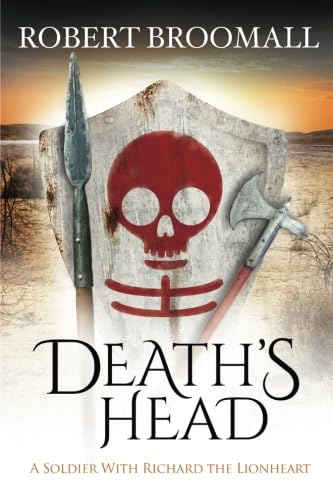
Umberto Eco’s Baudolino makes Frederick Barbarossa the adoptive father and imperial patron of its unreliable hero. Baudolino grows up inside Frederick’s court, and his extravagant inventions become entangled with the emperor’s Italian ambitions, diplomacy and fascination with the legendary kingdom of Prester John. Robert Broomall’s Death’s Head moves into the Third Crusade in 1190, the expedition Frederick had led east before his death in Anatolia. The emperor is part of the crusading world Roger enters on the road to Acre, where the collapse of grand royal plans is measured against disease, siege warfare and the experience of ordinary soldiers and pilgrims.