
Historical person
Imad ad-Din Zengi
1085/1087–1146
Imad ad-Din Zengi was a Turkish atabeg and military ruler who built a powerful principality centred on Mosul and Aleppo during the first half of the twelfth century. Entering Seljuk service in a politically fragmented region, he became governor of Mosul in 1127 and soon took Aleppo. Through warfare, negotiation and dynastic politics he expanded his authority across northern Syria and Iraq while confronting rival Muslim rulers as well as the Crusader states.
Zengi’s most famous victory came in 1144 when he captured Edessa, the first major Crusader state to fall to a Muslim ruler. The conquest caused alarm in Latin Christendom and helped prompt the Second Crusade. Muslim chroniclers later presented Zengi as an important precursor of the wider anti-Crusader campaigns associated with Nur ad-Din and Saladin, although his ambitions were also strongly dynastic. He was murdered by a servant during the siege of Qal‘at Ja‘bar in 1146.
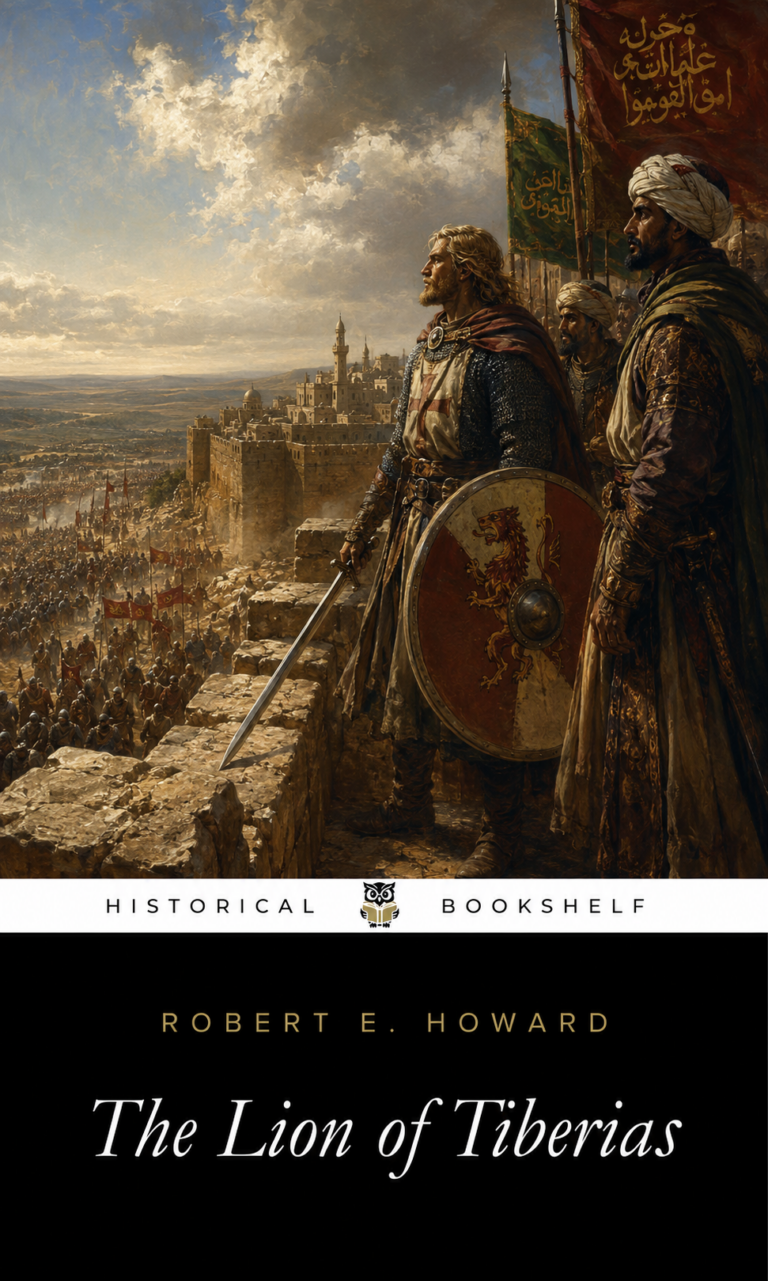
In Robert E. Howard’s The Lion of Tiberias, Howard uses the looming pressure of Zengi and the militarised frontier atmosphere of the crusader states to frame a story of swordplay, raids and sudden reversals.
Standalone books
Standalone books featuring Imad ad-Din Zengi (1 book)