As an Amazon Associate, I earn from qualifying purchases. This means if you click on a link and make a purchase, I may receive a small commission at no extra cost to you.

Home / People / Robert de Beaumont, 2nd Earl of Leicester

Historical person

Robert de Beaumont, 2nd Earl of Leicester

1104–1168

Robert de Beaumont, 2nd Earl of Leicester, was an Anglo-Norman magnate and royal official active under Stephen and Henry II. He and his twin brother Waleran inherited extensive cross-Channel interests but followed different political paths during the Anarchy. Robert supported Stephen, later made terms with Henry of Anjou and became chief justiciar after Henry’s accession. He helped administer England during the king’s absences and founded Leicester Abbey.

Robert appears in historical fiction set during the Anarchy and the early reign of Henry II, including broader Plantagenet sagas. He is rarely a central protagonist, but his survival across regime change makes him a useful example of aristocratic adaptation. Fiction can contrast his administrative reputation with the private military power required of a great earl.

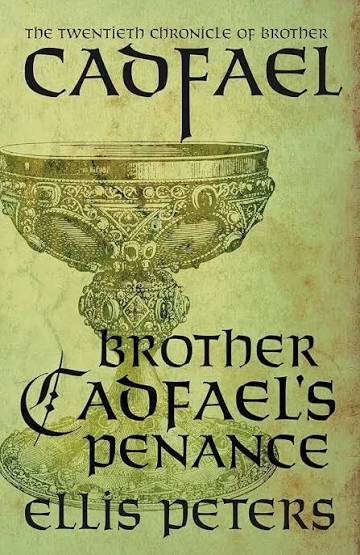
Ellis Peters’s The Holy Thief places Robert de Beaumont, 2nd Earl of Leicester within a narrative shaped by crime, espionage and covert power, social change and the pressures of ordinary life, and religion, belief and institutional authority. Ellis Peters’s Brother Cadfael’s Penance is set in late 1145, England remains divided between King Stephen and Empress Matilda, and an attempted peace meeting at Coventry fails to end the conflict.

Historical context

Historical periods linked to Robert de Beaumont, 2nd Earl of Leicester

Series

Series featuring Robert de Beaumont, 2nd Earl of Leicester (1 series)

Chronicles of Brother Cadfael in Order

by Ellis Peters 19 books 4.5

The Chronicles of Brother Cadfael follow a former soldier and crusader who has become the herbalist of Shrewsbury Abbey. Between 1137 and 1145, Cadfael investigates deaths, disappearances and disputed identities while working within the rhythms of Benedictine life and the law of medieval England. The twenty novels unfold…

All books in this series