c. 1035–1099
Pope Urban II was head of the Roman Church from 1088 to 1099 and a leading figure in the Gregorian reform movement. His pontificate is best known for the appeal made at the Council of Clermont in 1095, where he called western Christians to aid eastern Christians and undertake an armed expedition that developed into the First Crusade.
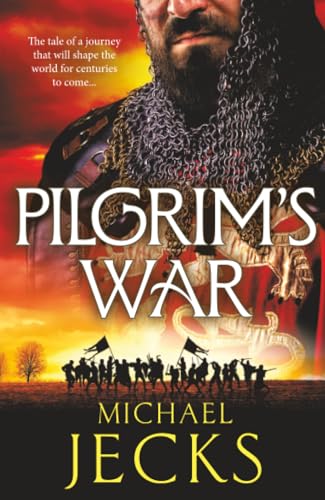
Urban sought to strengthen papal leadership during the Investiture Controversy and responded to Byzantine requests for military aid. At Clermont in November 1095 he called western Christians to assist eastern Christians and liberate Jerusalem, offering spiritual privileges to participants. Pilgrim’s War concentrates on the varied ordinary people who act on crusading preaching rather than on the pope himself, showing how an elite appeal was transformed into a mass journey.
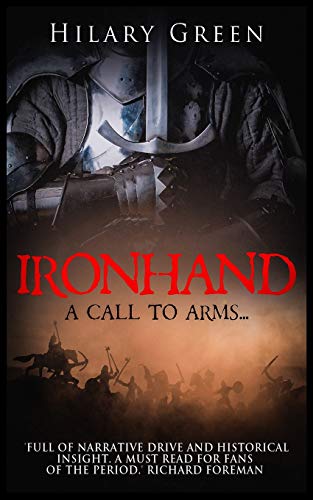
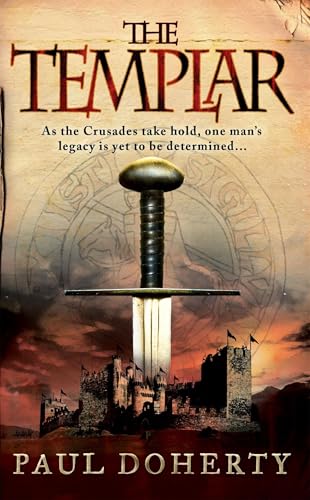
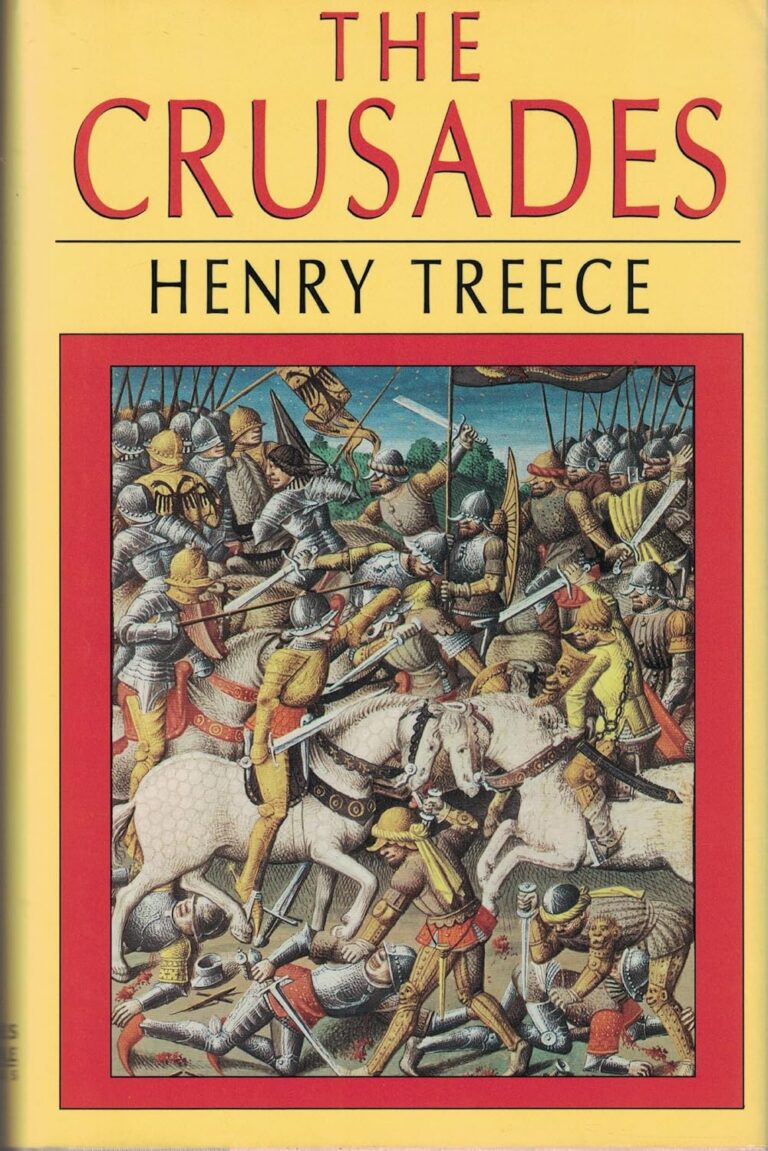
Hilary Green’s Ironhand sends Ranulph towards the expedition proclaimed by Pope Urban II, making the pope’s call the event that turns private guilt and military experience towards crusade. Michael Jecks’ Pilgrim's War follows the mass movement released by crusading preaching in 1096, while Paul Doherty’s The Templar begins with Hugh de Payens and Godfrey de Saint-Omer joining the armies answering Urban’s appeal. Elizabeth Drayson’s Crucible of Light places the crusading age within the much longer exchange of learning, goods and ideas between Islamic societies and western Europe. Henry Treece’s The Crusades treats Urban alongside Peter the Hermit and later crusading rulers, examining how religious language became intertwined with warfare, settlement and political ambition.