Last Templar Mysteries in Order
The Last Templar Mysteries follow Sir Baldwin de Furnshill, a survivor of the suppression of the Knights Templar, and his friend Simon Puttock, a Devon bailiff. Most of the sequence is set between 1316 and 1327, when the two men investigate deaths in villages, monasteries, ports and cathedral…
All books in this series

1. The Last Templar

2. The Merchant’s Partner

3. A Moorland Hanging
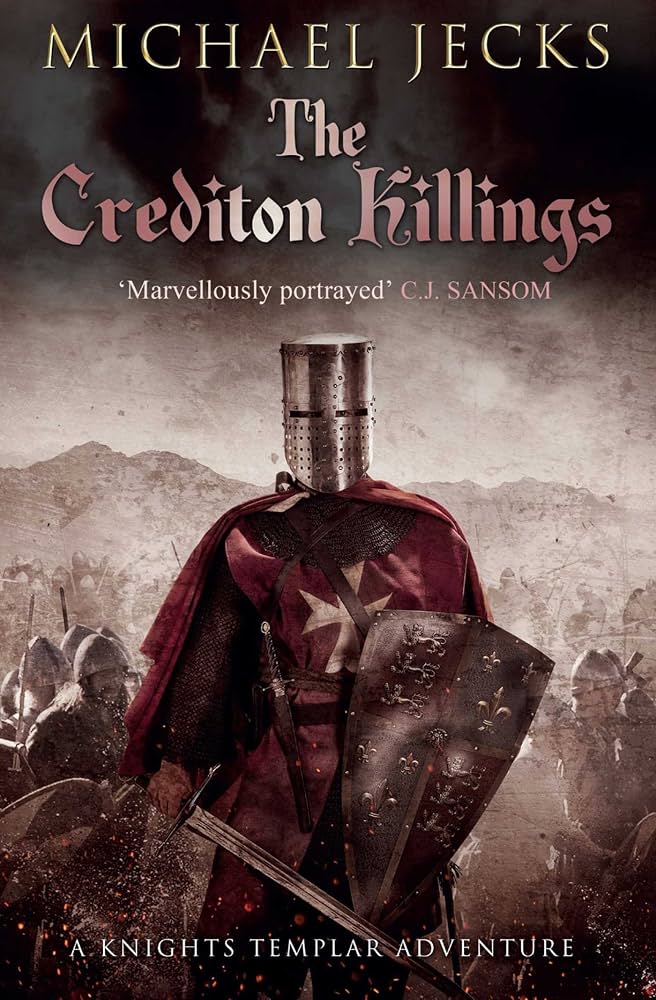
4. The Crediton Killings

5. The Abbot’s Gibbet

6. The Leper’s Return
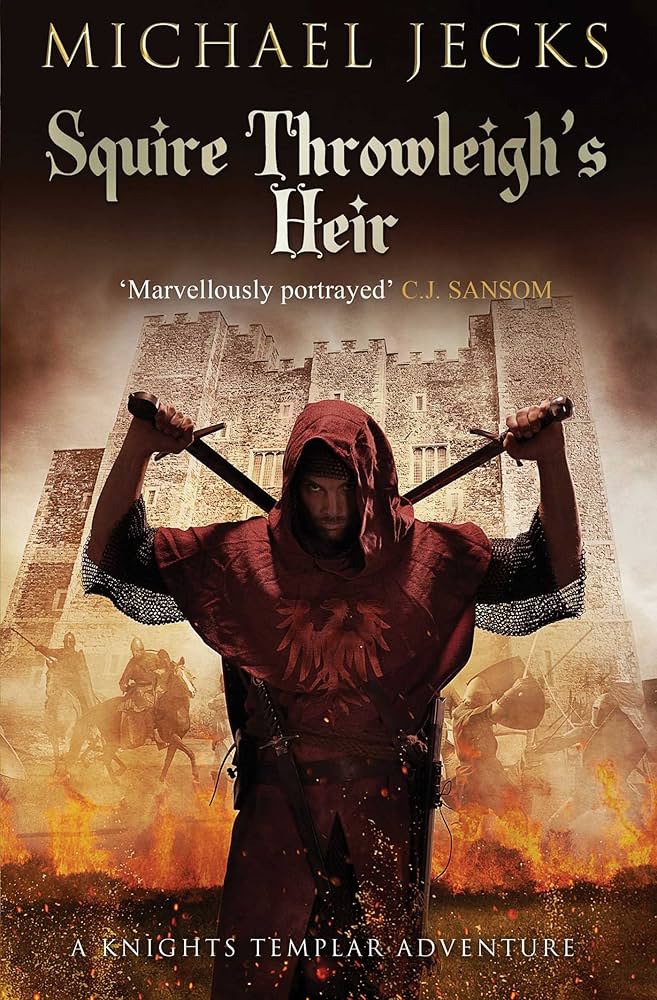
7. Squire Throwleigh’s Heir

8. Belladonna at Belstone
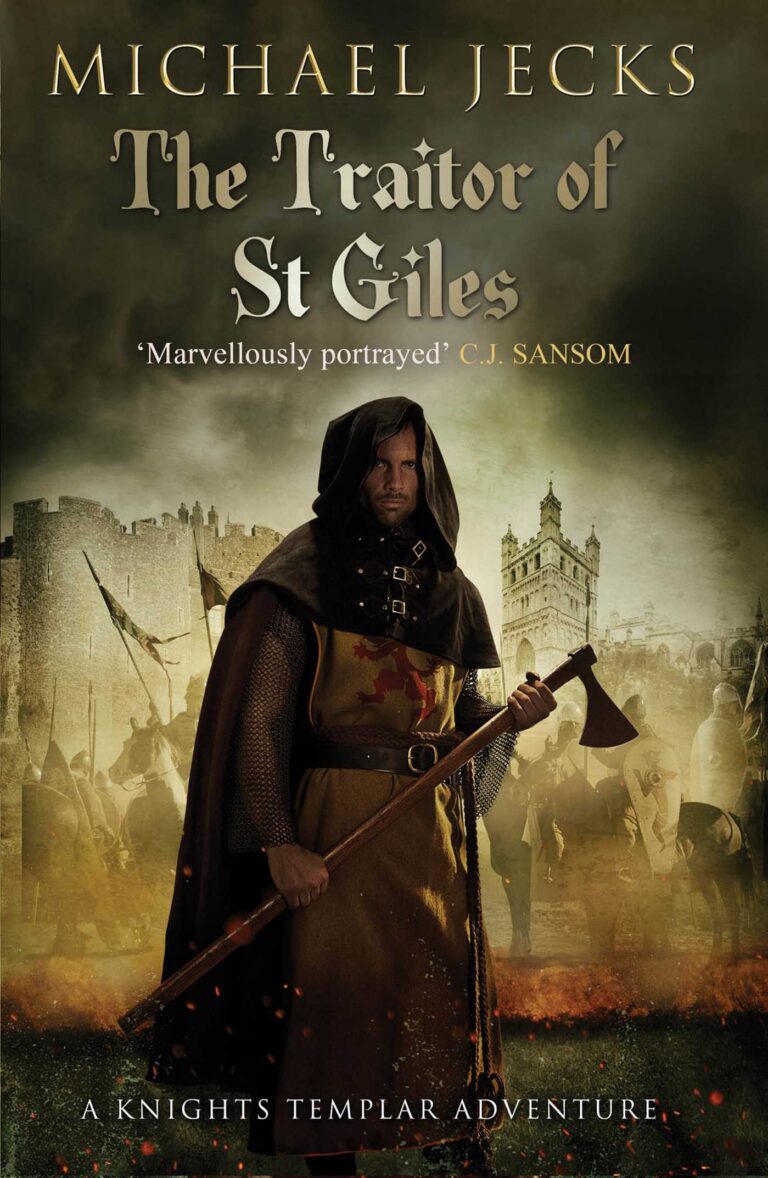
9. The Traitor of St Giles

10. The Boy-Bishop’s Glovemaker

11. The Tournament of Blood

12. The Sticklepath Strangler

13. The Devil’s Acolyte

14. The Mad Monk of Gidleigh
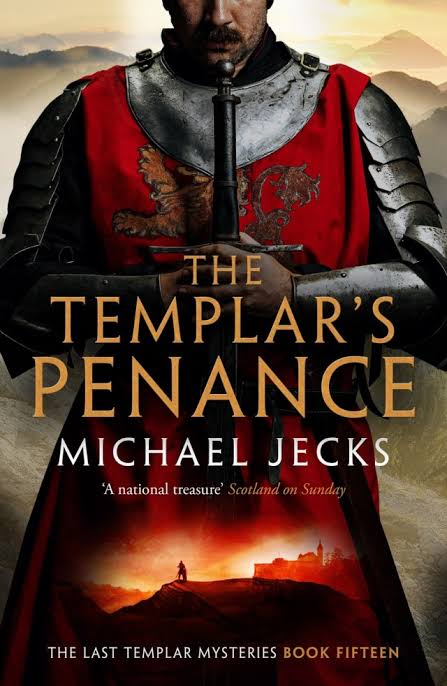
15. The Templar’s Penance
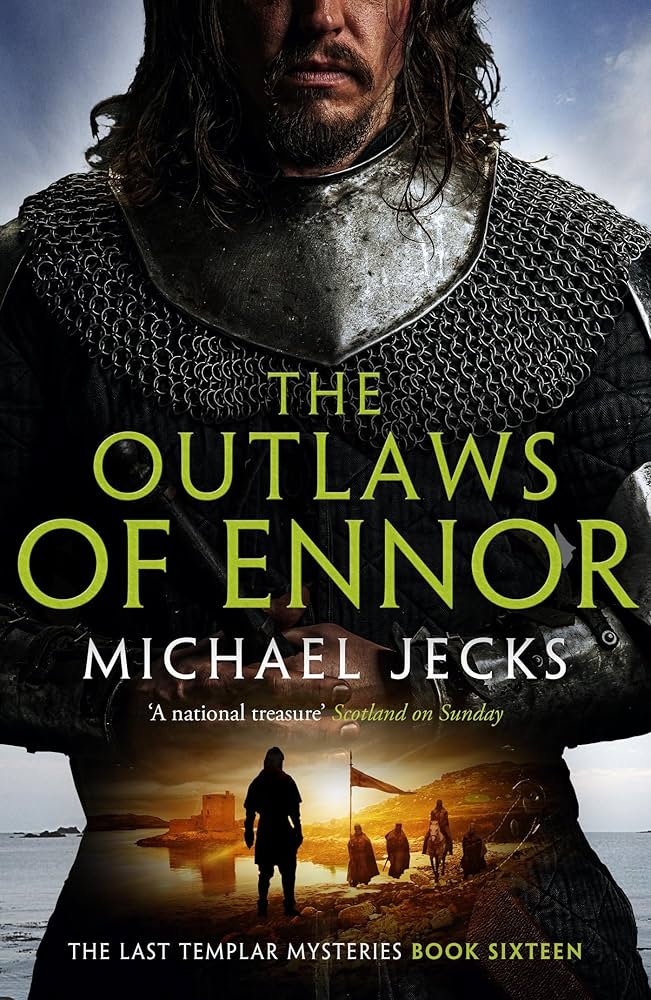
16. The Outlaws of Ennor
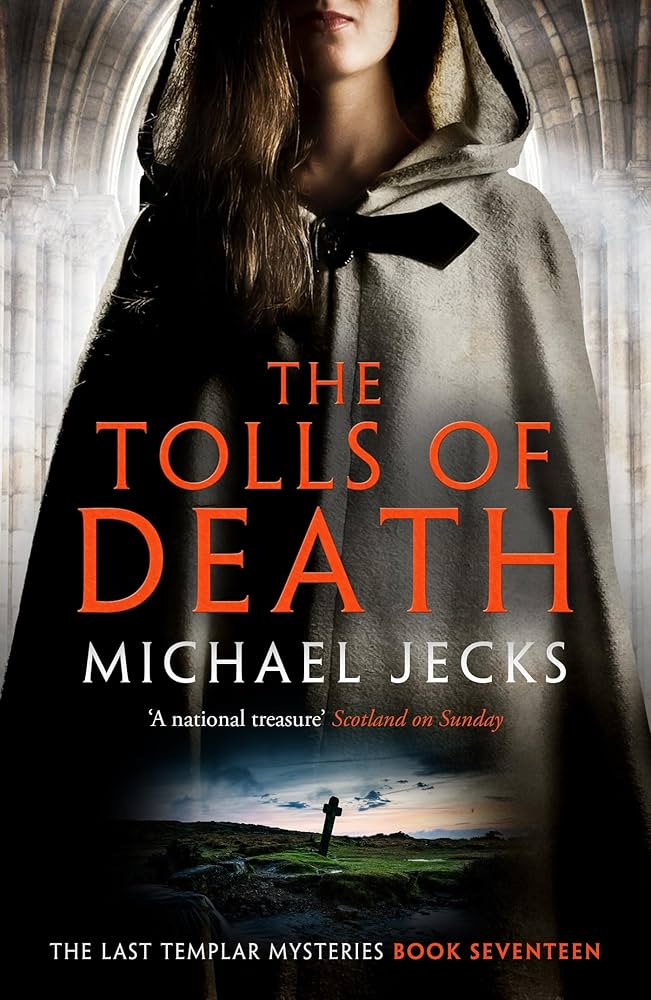
17. The Tolls of Death

18. The Chapel of Bones
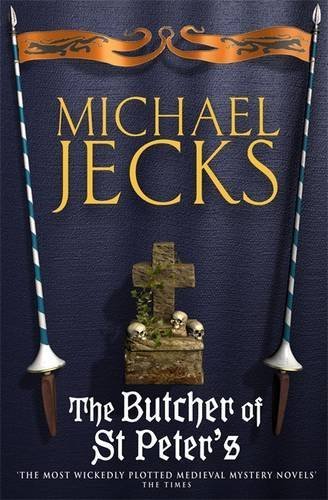
19. The Butcher of St Peter’s
20. A Friar’s Bloodfeud

21. The Death Ship of Dartmouth
22. The Malice of Unnatural Death
23. Dispensation of Death
24. The Templar, the Queen and Her Lover
25. The Prophecy of Death
26. The King of Thieves
27. No Law in the Land

28. The Bishop Must Die

29. The Oath
30. King’s Gold

31. City of Fiends