Edward III became king of England in 1327 after the deposition of his father and ruled for fifty years. He restored royal prestige, asserted a claim to the French throne and began the conflict later known as the Hundred Years’ War.
English victories at Crécy and Poitiers, the foundation of the Order of the Garter and the expansion of parliament marked his reign, which was also devastated by the Black Death. His later years were weakened by military setbacks and factional politics. Edward III of England was born in Windsor Castle and died in Richmond Palace.
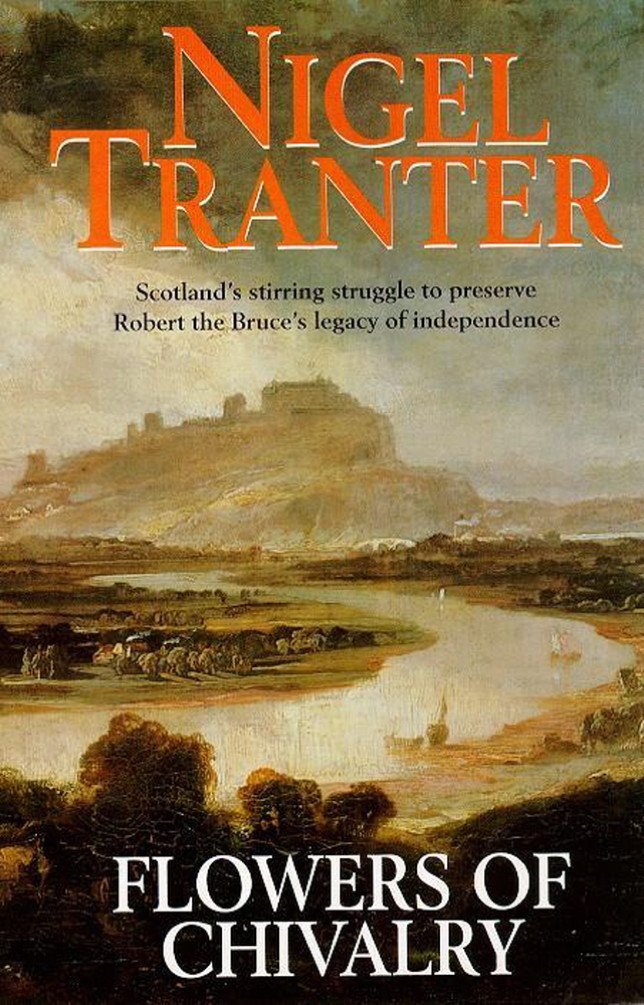
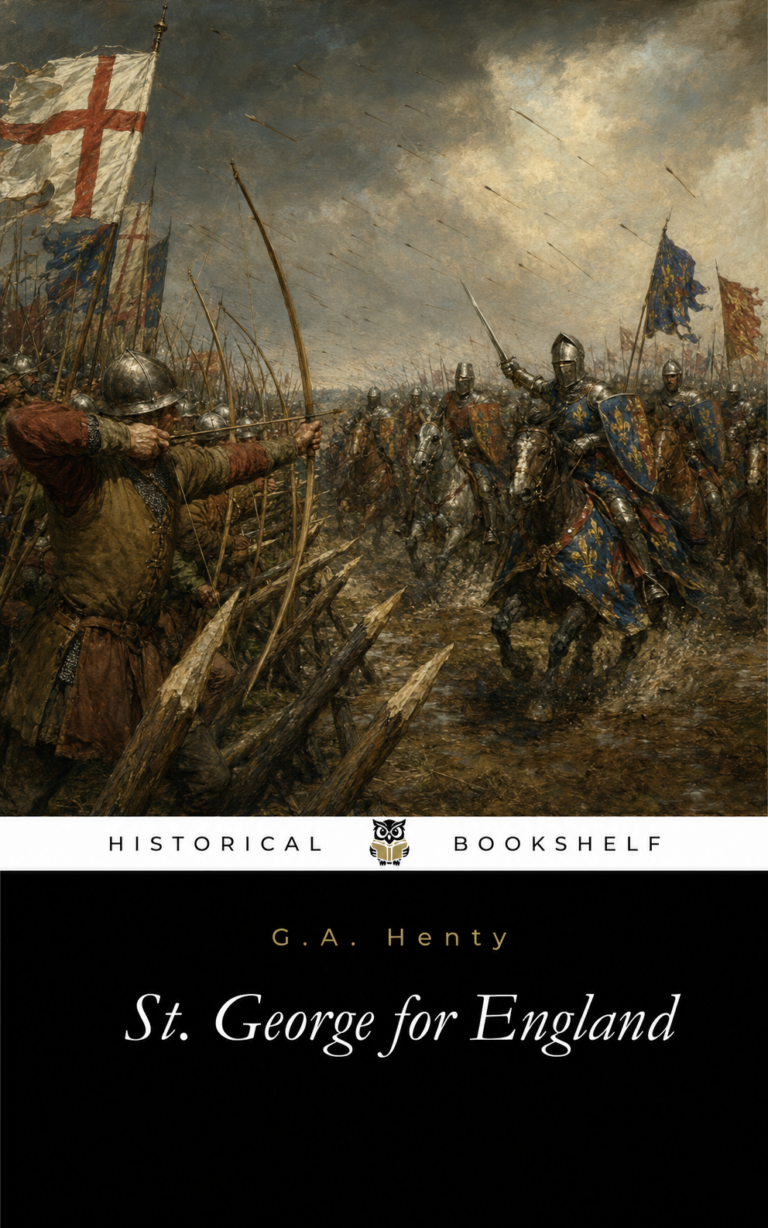
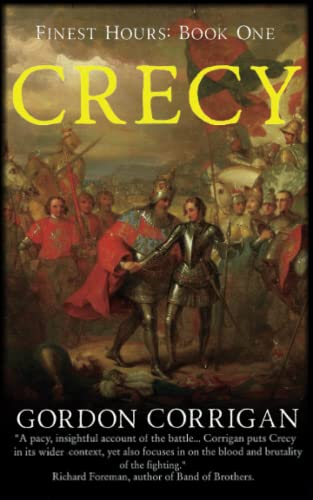
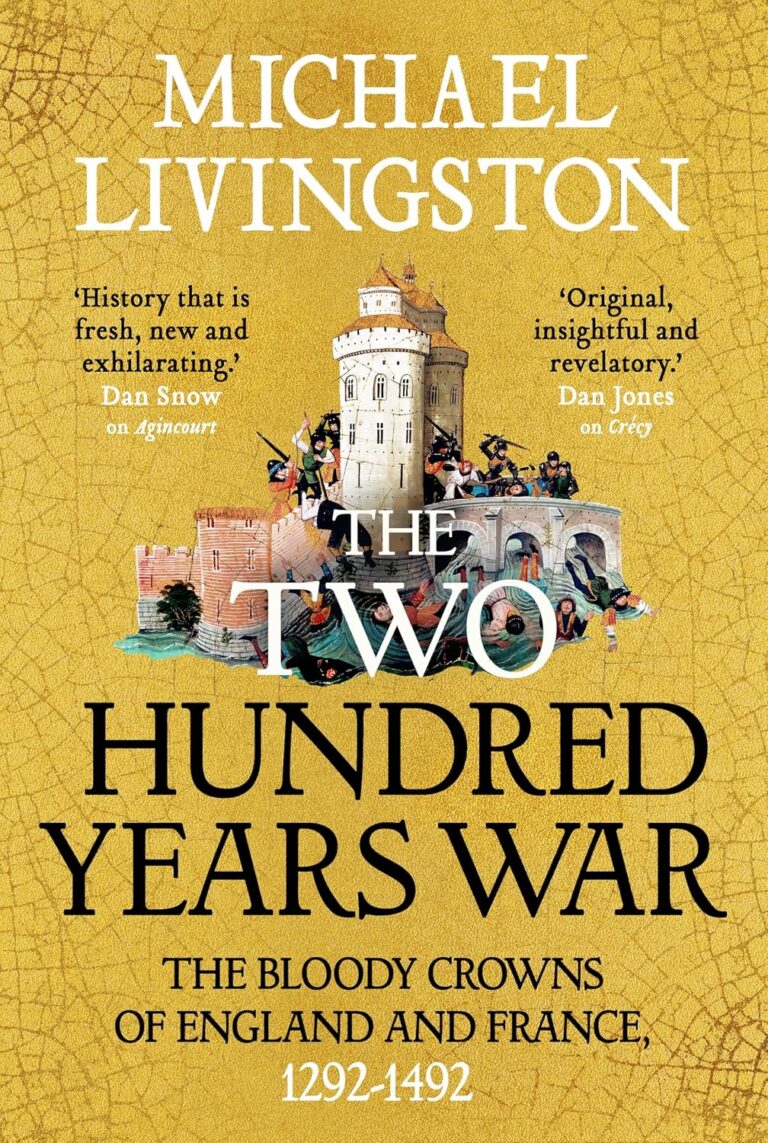
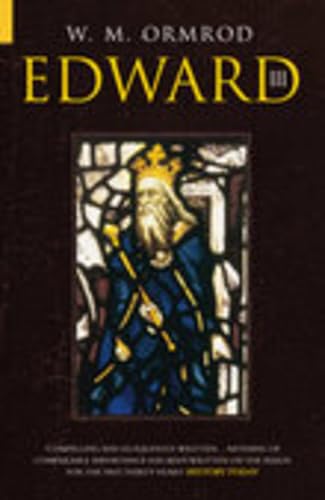
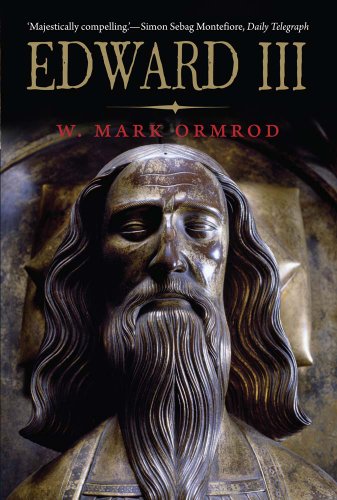
In Nigel Tranter’s Flowers of Chivalry, Three years after the death of Robert the Bruce, the independence he won for Scotland is again in peril. His five-year-old son David II has inherited the crown, but Edward III of England supports Edward Balliol as a rival king and sends armies north to restore English dominance. With the veterans of the Bruce’s struggle ageing or dead, resistance depends upon a new generation of commanders willing to fight a mobile and often desperate war. In G. A. Henty’s St. George for England, Historical figures including Edward III of England and Edward, the Black Prince connect the fictional action directly to the documented events. Further fictional perspectives on Edward III of England can be found in Richard Foreman’s Crécy. For broader historical treatment of Edward III of England, see Gordon Corrigan’s A Great and Glorious Adventure, Michael Livingston’s Bloody Crowns, W M Ormrod’s Edward III, and Gordon Corrigan’s England Expects.