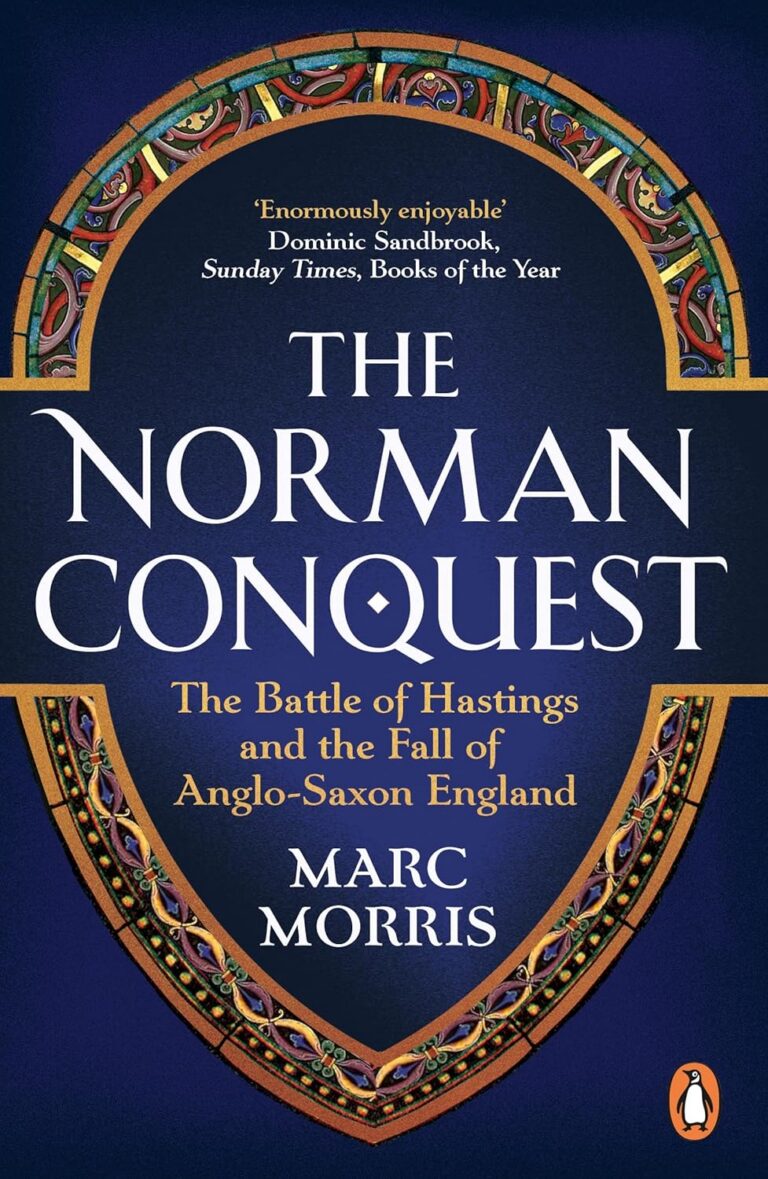
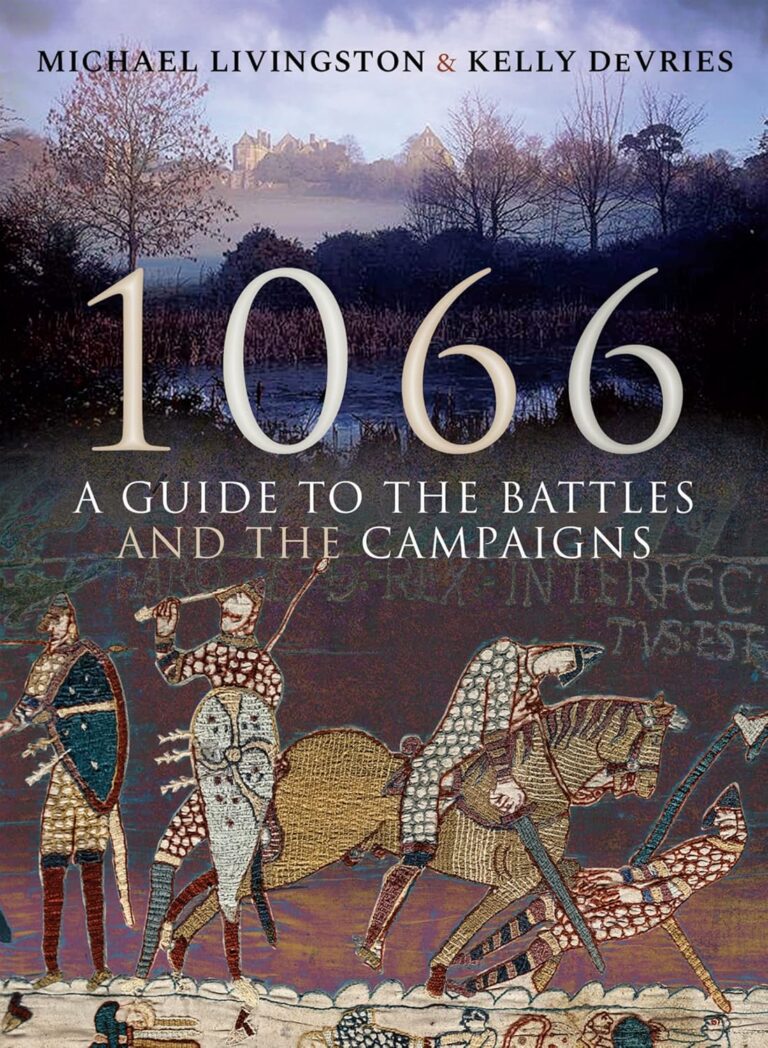
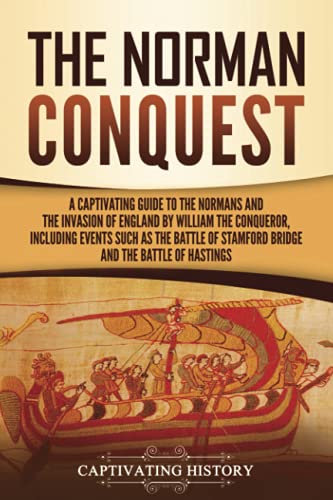
William the Conqueror was duke of Normandy before invading England and defeating Harold II at Hastings in 1066. He secured the kingdom through further warfare, castle building, redistribution of land and the suppression of revolts, including the devastating Harrying of the North.
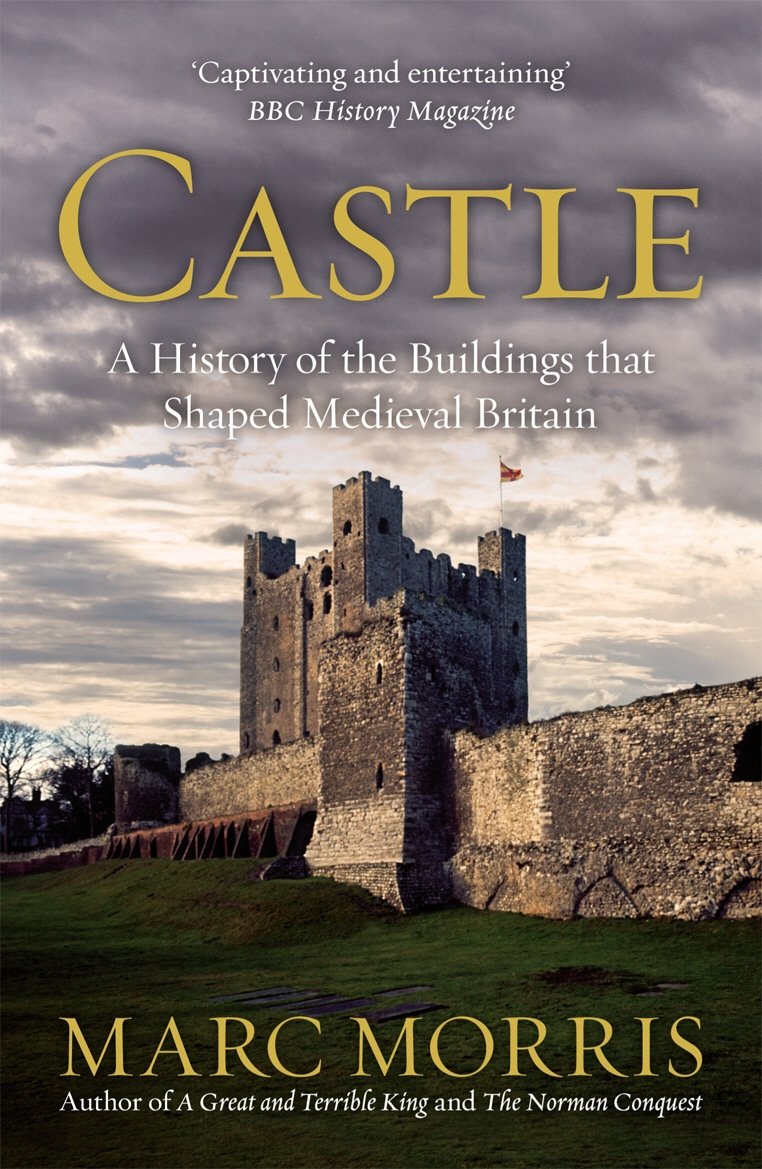
William replaced much of the English aristocracy with Norman and other continental followers and tied landholding more closely to military and royal service. His government also reorganised the English church and used castles to secure newly conquered regions. The Domesday survey of 1086 recorded land, resources and obligations on an extraordinary scale shortly before William's death in 1087.
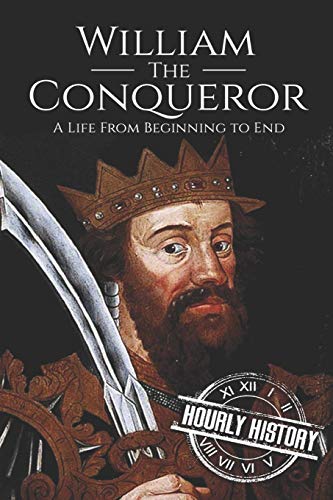
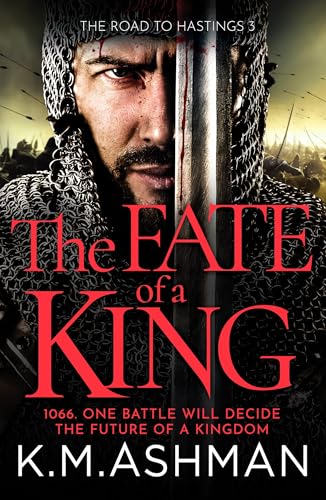
Jean Plaidy’s The Bastard King follows William from an insecure childhood and disputed legitimacy to the disciplined ruler capable of mounting the invasion of England in 1066. David Pilling’s The Fate of a King approaches him from Harold Godwinson’s side, making William’s cross-Channel claim one of the two invasions Harold must answer in a single campaigning season. James Aitcheson’s Knights of the Hawk moves to 1071 and the siege of Ely, showing William as a conqueror still forced to crush organised English resistance years after Hastings. Alan Fenton’s The Exile depicts the harsher post-conquest order of castles, dispossession and defeated English nobles leaving the kingdom, while David C. Douglas’ William the Conqueror provides the historical account of the Norman duke who transformed English landholding, government and aristocratic power after victory.