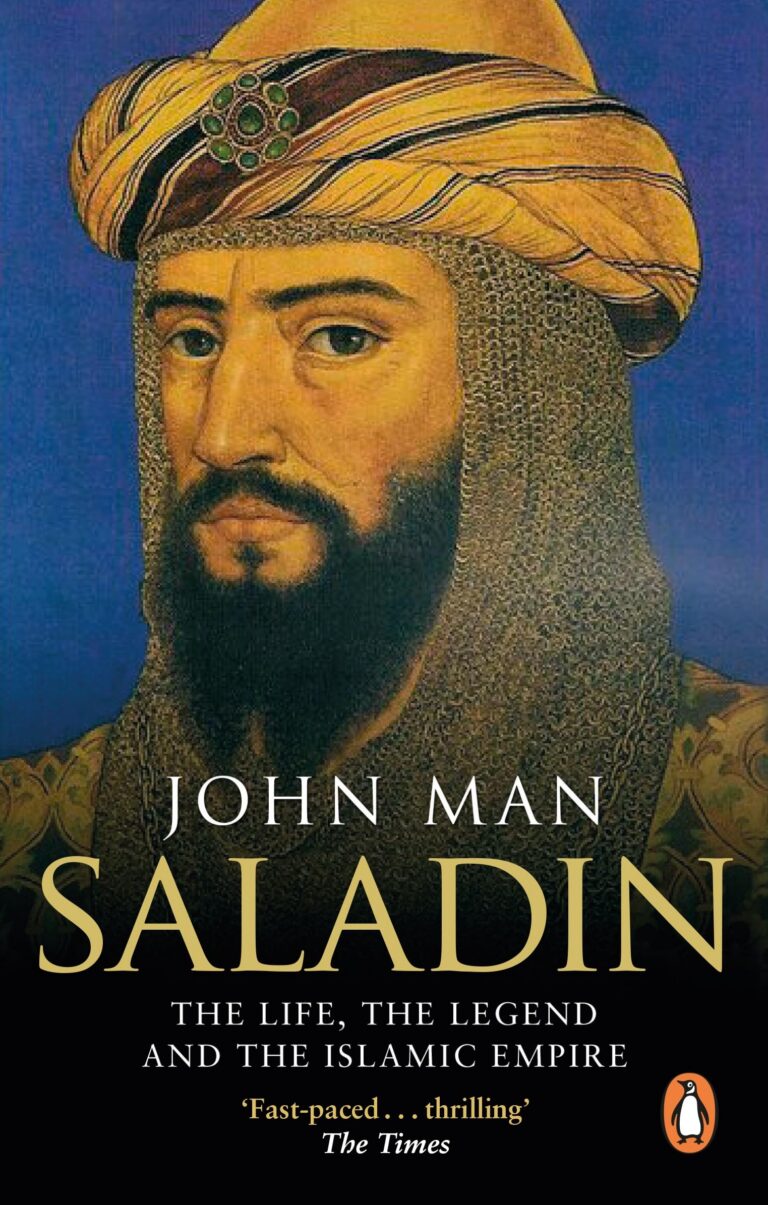
Saladin was a Kurdish military leader who became sultan of Egypt and Syria and founded the Ayyubid dynasty. He ended Fatimid rule in Egypt, united much of the Muslim Near East and defeated the crusader army at Hattin in 1187, recovering Jerusalem. During the Third Crusade he fought Richard I and negotiated a settlement that left Jerusalem under Muslim rule while permitting Christian pilgrimage.
After recovering Jerusalem in 1187, Saladin faced the Third Crusade and a prolonged military contest with Richard I of England. Neither ruler achieved complete victory: the Treaty of Jaffa in 1192 left Jerusalem under Muslim control while allowing Christian pilgrims access and preserving a reduced crusader presence on the coast. Saladin died in Damascus the following year, and his territories were divided among members of the Ayyubid family.
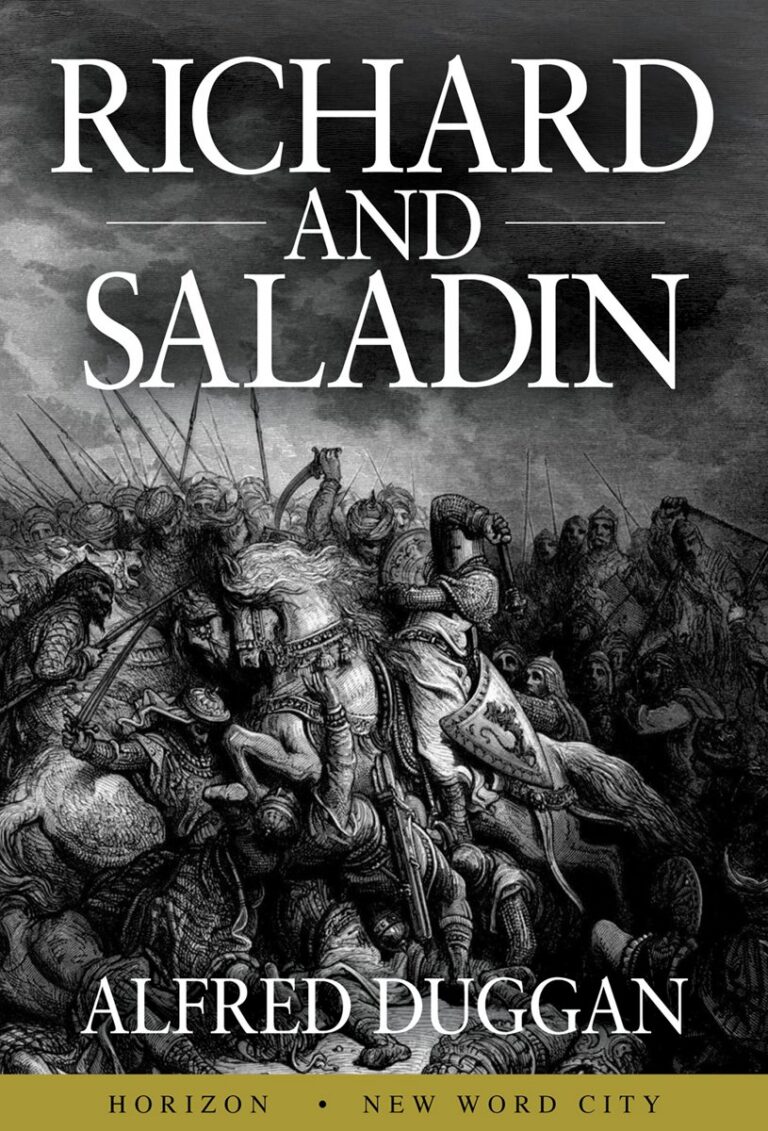
Jan Guillou’s Birth of the Kingdom shows Saladin through the legacy of Arn Magnusson’s crusading years: Arn returns to Sweden with Arabian horses, gold and knowledge acquired in the eastern Mediterranean, including gifts associated with Saladin. The novel Crusader builds the Angevin and military background that will eventually bring Richard I into direct conflict with Saladin on the Third Crusade. Simon Sebag Montefiore’s Jerusalem places Saladin in the documented history of the city, especially his recovery of Jerusalem after Hattin and the political settlement that followed. Dan Jones’s Crusaders treats him as one of the major Muslim rulers who transformed the balance of power against the crusader states. Alfred Duggan’s Richard and Saladin concentrates on the Third Crusade itself, comparing the two commanders through Acre, Arsuf and the negotiations that ended without either side achieving complete victory.