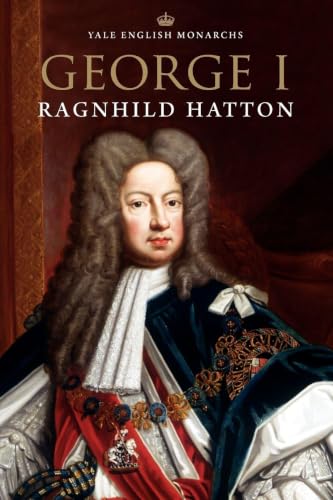
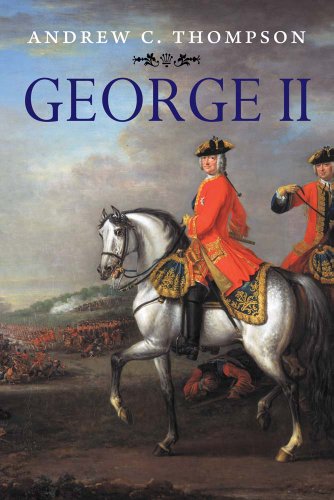
The Georgian Era begins with the Hanoverian Succession in 1714 and runs through the reigns of George I, George II, George III and George IV, ending in 1830. It was an age of parliamentary politics, aristocratic patronage, imperial rivalry, urban expansion and new forms of consumer culture. The country house, assembly room, theatre, newspaper and coffee house became important stages for power and reputation.
Britain grew wealthier and more globally connected, but that prosperity rested on deep inequalities at home and abroad. The era brought financial speculation, religious tension, criminal underworlds, anti-Catholic agitation, abolitionist campaigning and early industrial transformation. It created a society where status, credit, gender and birth could determine a person’s chances as sharply as law or violence.
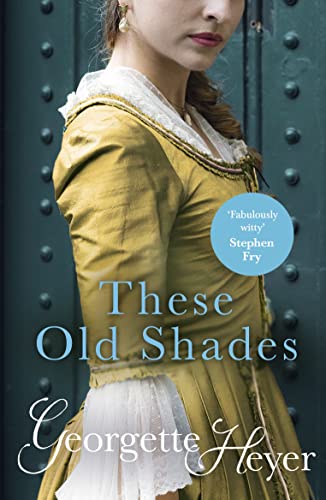
Georgian settings suit the social precision of Jane Austen and Frances Burney, the romantic confidence of Georgette Heyer, and darker recent fiction such as Laura Shepherd-Robinson’s Blood & Sugar and Antonia Hodgson’s Thomas Hawkins novels. Stacey Halls’s The Foundling and Susan Stokes-Chapman’s Pandora also use Georgian London as a world of institutions, commerce and secrets. Series set here can move easily between drawing rooms, docks, courts, prisons, pleasure gardens and provincial estates.